

In Vastu Shastra, staircases act as vertical energy conduits, distributing Prana (life force) through your living space. As a staircase represents continuous movement and heavy physical weight, improper placement can block energy, delay growth and affect health and peace of mind.
When a staircase is placed according to the principles of Vastu, it creates a proper flow of energy, which Vastu texts describe as an ascending spiral of stability.
Here is a guide to placing a staircase in your home, which direction it should be and how many steps it should have for proper energy flow.
1. Ideal Directions For Staircases
In Vastu Shastra, weight distribution is non-negotiable. The lighter zones of a house must remain open while the heavier zones should be grounded and dense.
The ideal zone for a staircase is South-West, as this direction represents the Earth element and thus supports stability, leadership, and long-term wealth. South and West directions are also considered ideal.
Red Flag Zone: North-East and Centre. According to Vastu Shastra, the north-east is the zone of pure spirit and clarity. Placing a staircase here creates a metaphorical weight on the family’s mental clarity, financial expansion, and neurological health.
On the other hand, placing your staircase in the centre brings stress, emotional friction, and unpredictable financial losses.
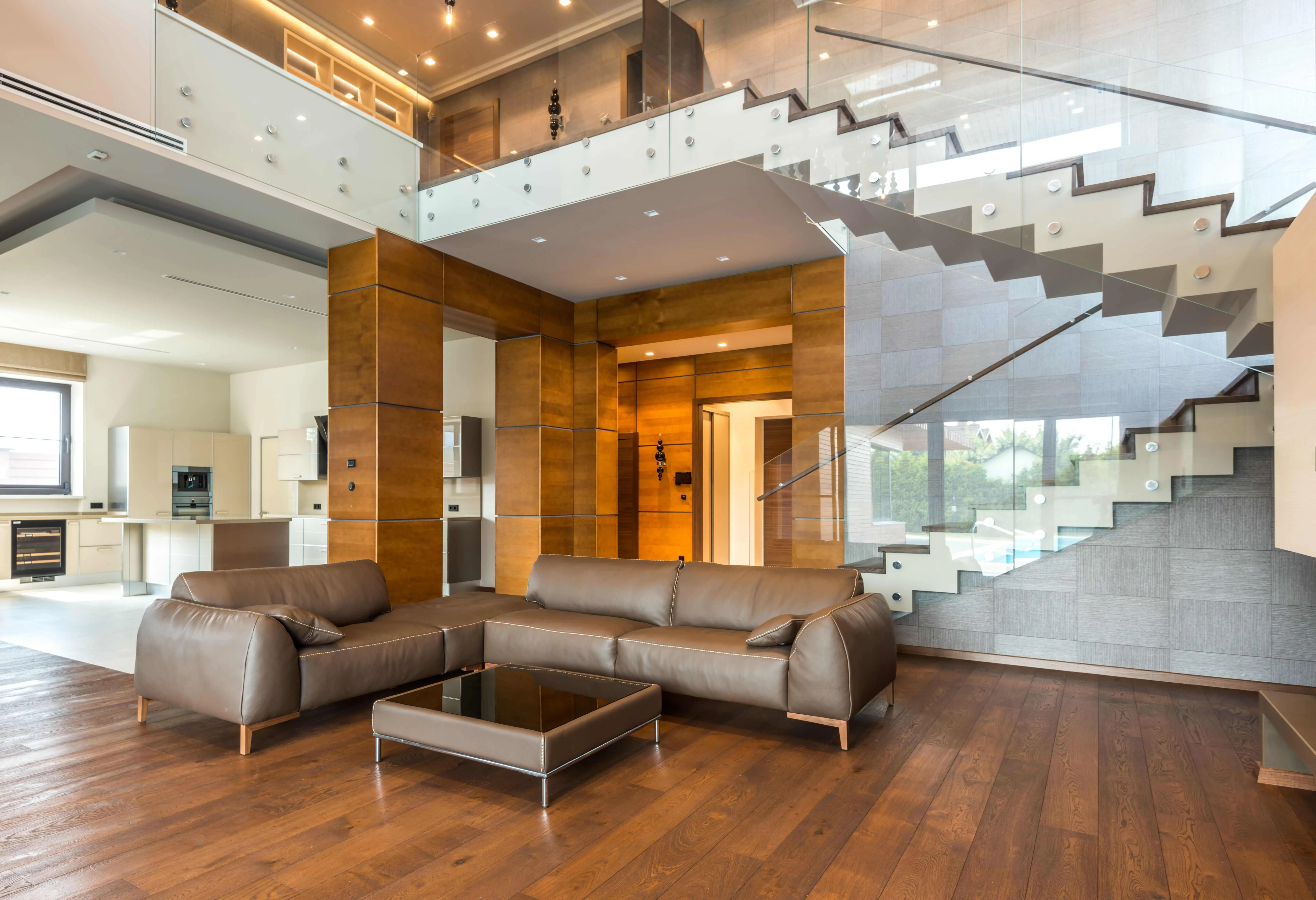
The ideal zone for a staircase is South-West, as this direction represents the Earth element (Image: Pexels)
2. The Clockwise Rule (Pradakshina)
Energy naturally flows in a clockwise direction in the same way the Earth rotates, planets orbit, and water drains in the Northern Hemisphere,
The Rule: You should always climb stairs from East to West or from North to South. The turn of the staircase must proceed clockwise.
It should never be counter-clockwise because it creates centrifugal tension, creating stress and fatigue.
ALSO READ: South West Corner Vastu: What Should You Keep In This Direction For Harmony At Home?
3. Number Of Steps In Staircase
According to Vastu, a staircase must end on a step of positivity. Odd numbers such as 9, 11, 15, 17, and 21 are generally preferred, as they are believed to support a balanced flow of energy within the home.
Another guideline suggests that when the total number of steps is divided by 3, the remainder should ideally be 1 or 2. For instance, 11 and 17 follow this pattern.
Staircases ending in multiples of ten are often avoided, as they are believed to disrupt harmony and positive energy flow in the space.
4. What Stays And What Goes Under The Stairs
This is where most homes ruin their internal alignment.
Function | Vastu Approval | Why |
Pooja Room (Altar) | Strict Violation | Walking Above Deities Or Sacred Altars Creates Severe Negative Karma And Spiritual Discord |
Toilet/Bathroom | Strict Violation | Stacking Waste Disposal Directly Under A Dynamic Circulation Path Spreads Toxic, Stagnant Energy |
Kitchen / Stove | Strict Violation | The Fire Element Gets Symbolically Trampled, Impacting The Health And Digestion Of Residents |
Storage (General/Pantry) | Permissible | Ideal For Storing Non-Valuable Items, Cleaning Tools, Or Luggage. Do Not Store Cash, Safes, Or Essential Identity Documents Here |
How To Implement These Vastu Rules In Rented Homes?
When you live in a rented flat or apartment, there is not much you can do. So, here are a few tips using which you can align your home and staircase according to Vastu rules:
- If your staircase is placed in the wrong direction, then according to Vastu practitioners, hang two convex mirrors or place a set of 3 brass/lead pyramids beneath the first riser so that it neutralises the compressive weight.
- If your movement is counterclockwise, then install a yellow or warm-spectrum light fixture directly over the landing that stays lit for at least 3–4 hours each evening to break the reverse vortex.
- If a toilet sits under your staircase, wrapping a zinc or copper wire strip around the exterior baseboard perimeter and placing a bowl of unprocessed sea salt inside and replacing it weekly can reduce the negative effects.
- By colouring your stairs walls in earth tones beige, terracotta, cream, or light taupe- you can also stabilise vertical momentum.
ALSO READ: Navratri Vastu: 7 Things To Remove From Your Home Before Ghatasthapana
Incorporating these Vastu principles into home planning can help create a balanced, functional, and visually harmonious home.
FAQs
1. Which direction is best for a staircase?
The South-West (Nairutya) corner is the best direction for a staircase, followed by the South and West zones. These directions represent the earth element, where heavy structures anchor stability and prosperity.
2. Can we have an even number of steps in a staircase as per Vastu?
No. Vastu Shastra dictates that staircases should have an odd number of steps (e.g., 17, 21, 23).