

Hare Rama Hare Krishna is one of the most renowned devotional prayers of Vaishnava traditions. This mantra is also known as 'Maha Mantra', which is composed of three Sanskrit names of the Supreme Being: Hare, Krishna, and Rama.
The mantra originates from the Kali-santarana Upanishad. In this text, sage Narada asks Lord Brahma how to overcome the degrading effects of Kali Yuga, to which Lord Brahma responds by giving the 16-name mantra as the remedy.
In the 15th century, Sri Chaitanya Mahaprabhu made this mantra central to a popular spiritual movement that spread across Bengal and India.
According to ISKCON, chanting this mantra calms the mind and also offers liberation from the cycle of birth and death.
Let's understand in detail the meaning, benefits and how to chant this mantra properly.
Hare Rama Hare Krishna Mantra In Hindi And English
हरे कृष्ण हरे कृष्ण , कृष्ण कृष्ण हरे हरे |
हरे राम हरे राम , राम राम हरे हरे ||
Hare Krishna Hare Krishna, Krishna Krishna Hare Hare
Hare Rāma Hare Rāma Rāma Rāma Hare Hare
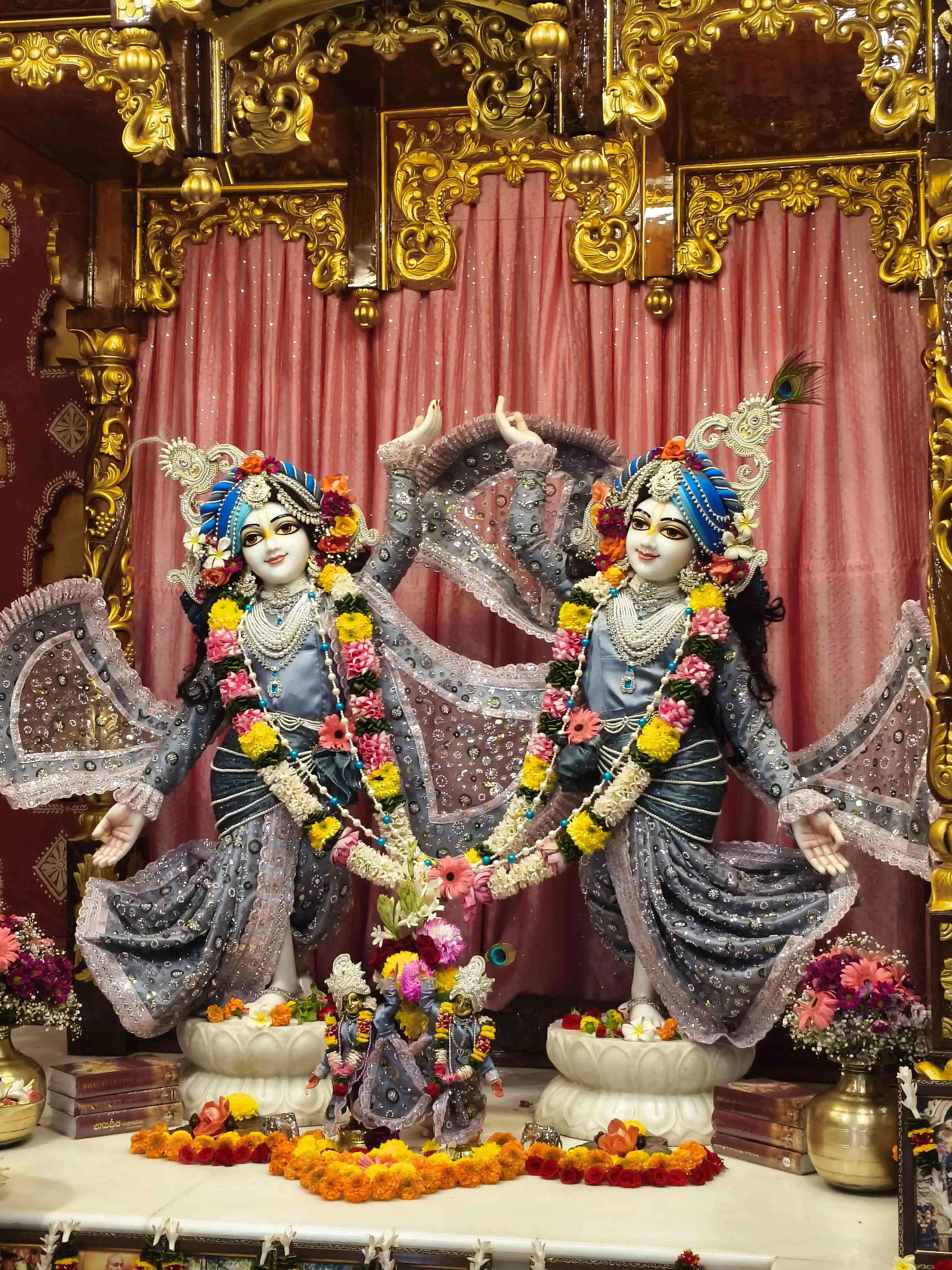
Hare Rama Hare Krishna is one of the most renowned devotional prayers of Vaishnava traditions (Image: Pexels)
What Does Mantra Mean And How To Pronounce It?
Name | Correct Pronunciation | Common Mistake |
Hare | HA-reh (the 'a' as in "father"; the 'e' as in "they") | Saying "HAIR" as in English "hair" |
Krishna | KRISH-na (short 'a' in both syllables) | Long 'a': "KRISH-NAH" |
Rama | RA-ma (short 'a' in both syllables) | Over-emphasising the final 'a' |
Meaning: O Lord, O Energy of the Lord, please engage me in Your divine service. (Hare refers to the energy of God/Radha; Krishna refers to the All-Attractive; Rama refers to the Reservoir of Pleasure).
ALSO READ: 5 Most Powerful Lord Ganesha Mantras For Removing Obstacles
Spiritual Benefits Of Chanting This Mantra
1. According to ISKON, it is believed to promote spiritual growth, which helps to deepen one’s relationship with God.
2. The mantra’s vibrations cleanse the heart, replacing bitterness with compassion by invoking divine energy.
3. Chanting this mantra reduces stress and anxiety as the rhythmic repetition of the mantra slows the mind, allowing a person to feel grounded and at peace.
4. Helps to deal with the chaos of Kali Yuga by purifying the atmosphere and creating a shield against negative energies in troubling times.
5. Regular chanting of the mantra improves focus and provides mental clarity by aligning one’s energy toward meaningful pursuits, spiritual or otherwise.
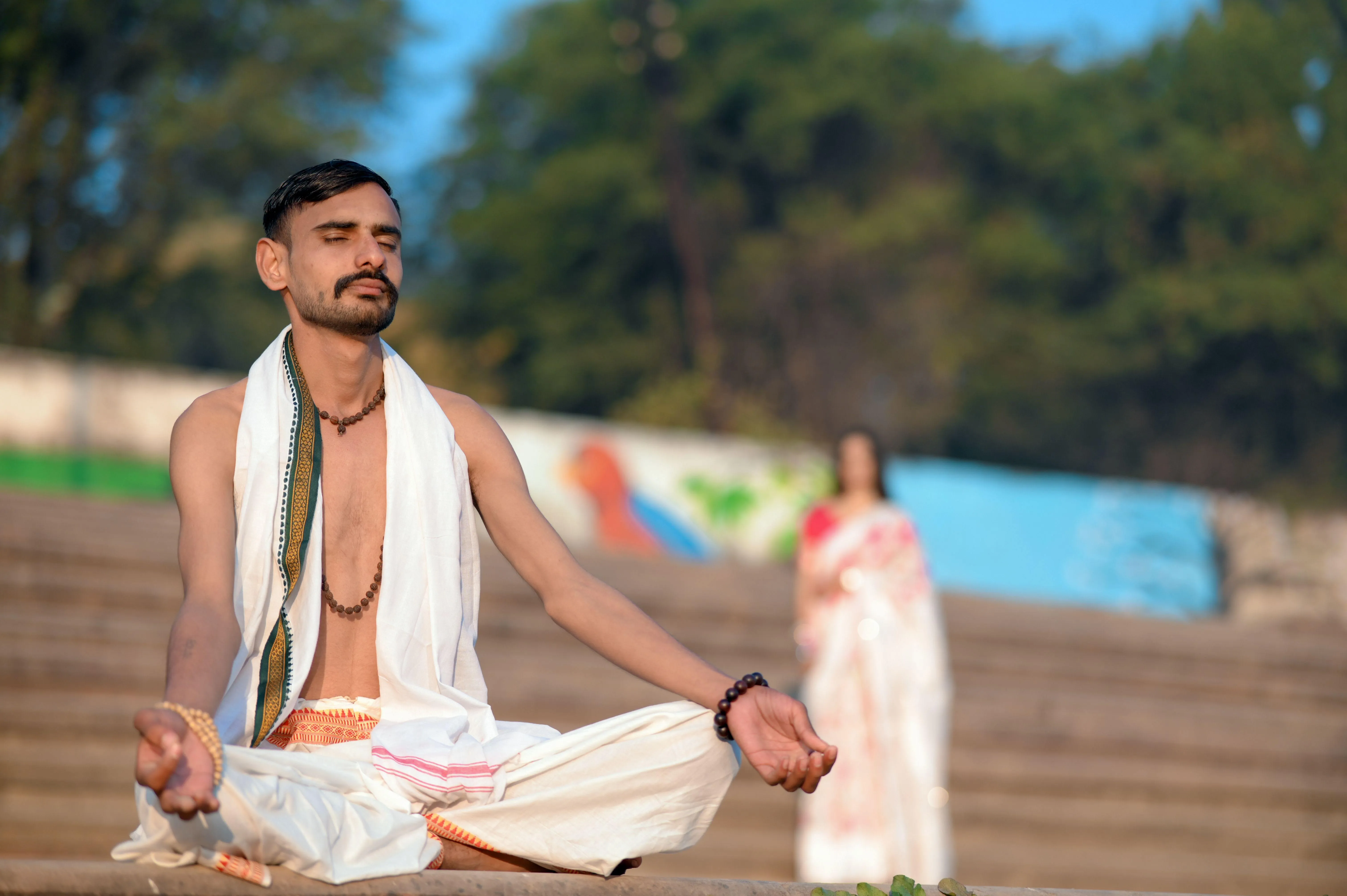
Sit facing East or North to chant this mantra (Image: Pexels)
How To Practice This Mantra Daily
1. Begin with 5-10 minutes daily. Sit comfortably facing East or North to align with natural spiritual energies.
2. Hold the Tulsi Mala in your right hand, using your middle finger and thumb to move the beads. Avoid using the index finger. Prayer beads help maintain rhythm and focus during mantra meditation.
3. Begin chanting the mantra softly (Japa) or aloud (Kirtan).
4. Focus your entire attention on the sound vibration of each syllable.
5. Conclude by offering your prayers and expressing gratitude for the divine connection.
ALSO READ: 3 Shani Dev Mantras For Saturday Worship: Know Their Meaning And Traditional Chanting Practices
Hare Krishna mantra chanting isn’t just a tradition. It is a toolkit that can be used to deal with modern problems by providing mental clarity, maintaining emotional balance, and touching every aspect of life. Whether a person wants to seek peace, purpose, or build a deeper connection, chanting this mantra can help achieve these things.
FAQs
1. How many times should you chant the Mahamantra daily?
Regular practitioners in the Gaudiya Vaishnava tradition chant 16 rounds of 108 on japa mala beads daily. Beginners often start with 1–4 rounds and build gradually.
2. Is it better to chant loudly or silently?
Both have benefits. Loud chanting (Kirtan) is excellent for congregational energy and overcoming mental noise, while silent chanting (Japa) is ideal for deep, internal meditation.