

Sharad Navratri will begin on 11th October, 2026. It is a nine-day festival during which devotees perform rituals, pujas, and observances to honour the victory of Maa Durga over the demon Mahishashura.
While observing a fast is a devotional act, there are certain things that should be avoided, like food, grooming practices and behaviours, to protect the sanctity of worship and build a deeper connection with the divine.
Let's look at some of the things that one must avoid during the nine days of Shakti worship.
1. Consuming Tamasic Foods
During Navratri, devotees should shift towards a Sattvic diet. Avoid all meat, fish, poultry, and eggs and avoid adding onions and garlic too.
In Ayurvedic and Vedic tradition, onion and garlic generate heat and Tamas and Rajas energies, which increase sluggishness in the body, fog the mind and break the sanctity of the observance.
Instead, one should consume rock salt (Sendha Namak), buckwheat flour (Kuttu), water chestnut flour (Singhare ka atta), and fresh seasonal produce.
2. Cutting Nails, Shaving, And Haircuts
Traditionally, most Hindu households avoid personal grooming activities that involve sharp instruments: haircuts, shaving, trimming beards or cutting fingernails and toenails. It is believed such activities are linked to vanity, whereas Navratri is a period of austerity and self-reflection.
Pro Tip: Complete all salon visits before Ghatasthapana (Day 1).

Traditionally, most Hindu households avoid personal grooming activities (Image: Pexels)
3. Wearing Stale, Dirty, Or Dark-Colored Clothing
Navratri is a vibrant festival. Devotees honour Goddess Durga by wearing colours that represent her nine forms (Navadurga). That is why it is advised to avoid wearing black, dull or muddy tones during this period.
Culturally, these colours are associated with negative vibrations and mourning, whereas Durga Puja centres on vitality, light, and victory over darkness. So, wear red, yellow, orange, green, or royal blue.
ALSO READ: Navratri Akhand Jyot: Know The Right Direction, Rules And Spiritual Significance
4. Leaving The Akhand Jyoti Unattended
If you light an Akhand Jyot, an eternal flame during the first day of Navratri (Ghatasthapana), it must remain lit continuously for all nine days and nights. It is advised never to leave the house empty while the flame is burning, as it is seen as a disrespect to the Goddess.
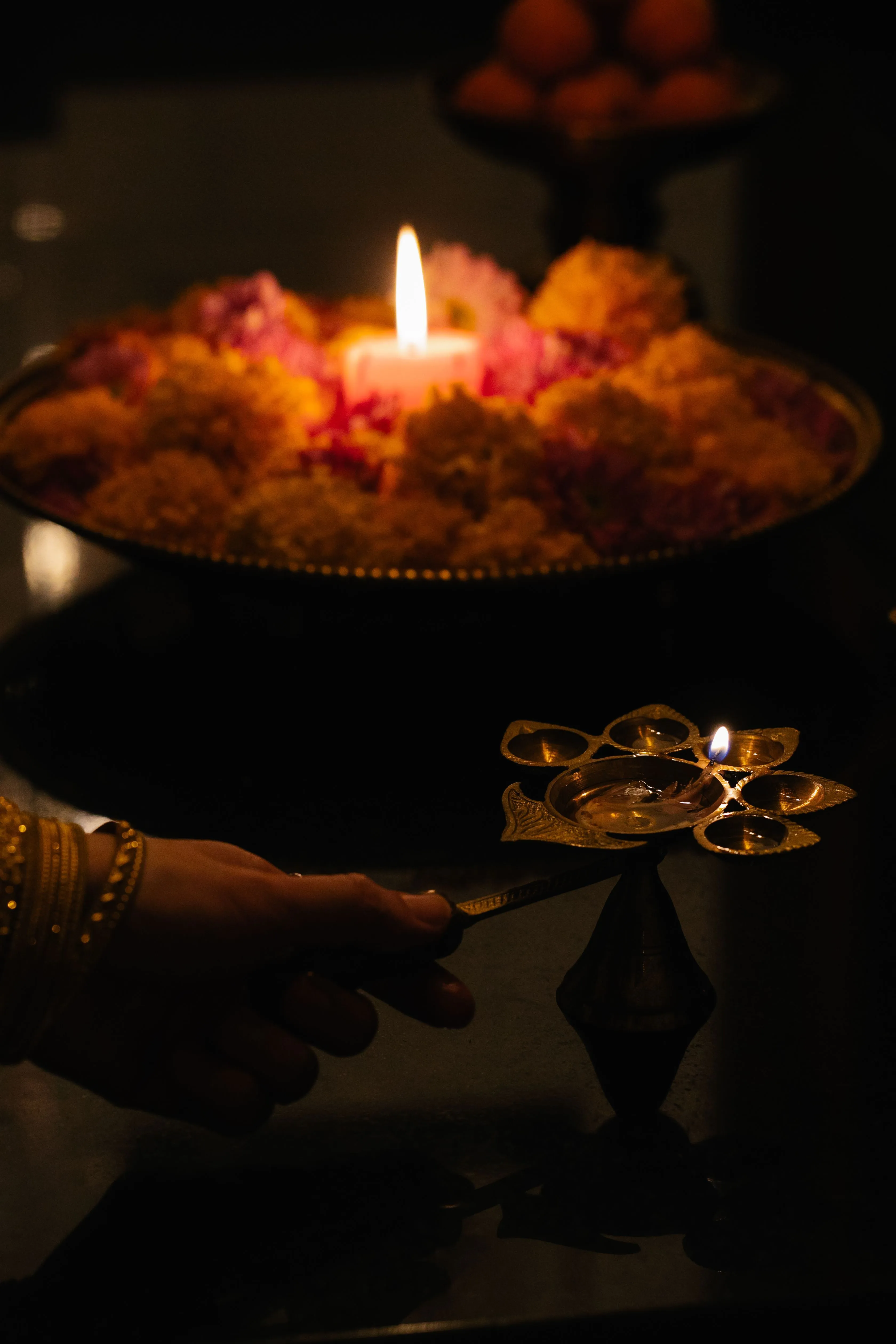
It is advised never to leave the house empty while the flame is burning (Image: Pexels)
5. Excessive Daytime Sleeping
While fasting can make you feel low, sleeping for long hours during the afternoon is considered inauspicious. According to scriptures, fasting emphasises vigilance and mindfulness.
Excessive sleep during Navratri brings lethargy and breaks the spiritual rhythm. If you feel tired, do meditation practices or light breathing exercises instead of sleeping for two hours.
6. Using Table Salt And Common Spices
If you are observing a fast, using table salt, turmeric, asafoetida (hing), mustard seeds, and garam masala are traditionally excluded from Navratri fasting recipes. Instead, use pure rock salt, black pepper, cumin, and fresh ginger.
7. Avoid Harsh Speech, Arguments, And Disrespect
As per popular belief, festivals are occasions when gods and goddesses visit our homes. Navratri celebrates divine feminine energy (Shakti).
So avoid engaging in arguments, speaking harsh words, or disrespecting women, elders, and domestic workers. A fast broken by anger defeats the purpose of spiritual practice. Purity of thought and action is mandatory if you seek Maa Durga’s blessings.
Navratri Dos and Don’ts
Category | Do's | Don'ts |
Diet | Eat Sattvic, seasonal food | Eat onion, garlic, eggs, or meat |
Seasoning | Use Sendha Namak (Rock Salt) | Use iodised table salt |
Grooming | Bathe early, wear clean colours | Cut hair, shave, or clip nails |
Attire | Wear red, yellow, or festive tones | Wear black or unwashed garments |
Atmosphere | Keep peace, chant mantras | Argue, use foul language, or sleep all day |
ALSO READ: Maa Shailputri Puja: Rituals, Mantras, And Everything You Need For Day 1 Of Navratri
So, these are a few things one must avoid during the nine days of worship.
FAQs
1. Can I drink tea or coffee during Navratri fasting?
Yes, moderate consumption of milk-based tea or coffee is generally permitted during Navratri fasting, provided it does not upset your digestive system.
2. Can pregnant women observe Navratri fasts?
Pregnant women, nursing mothers, and individuals with underlying medical conditions are traditionally exempt from strict dietary fasting. Focus on spiritual devotion rather than physical deprivation