

Whether visiting an ancient Hindu mandir or a nearby temple, there are a few things one must never do inside it. The temple is the dwelling place of the divine, where the deity is treated as a living being and worship takes place.
Avoiding certain things in these sacred places cultivates humility, cleanliness and a calm, focused mind before darshan. Disrespecting it and not following certain rules disrupts the sanctity and is also viewed as disrespect towards the deity.
Here are 5 things you should never do inside a temple, even by accident.
1. Point Your Feet At Sacred Idols, Altars, Or Monks
In many Hinduism and Buddhism traditions, the feet are considered the lowest, least pure part of the human body, while the head is the highest.
When sitting on temple grounds, keeping your legs stretched out toward a deity, altar, or seated priest or monk is considered a sign of disrespect and is believed to upset the gods.
What Should You Do Instead: Tuck your legs beneath you, sit cross-legged, or kneel so the soles of your feet face away from the main shrine. If you’re resting, ensure your feet are angled toward an exit or the side walls.
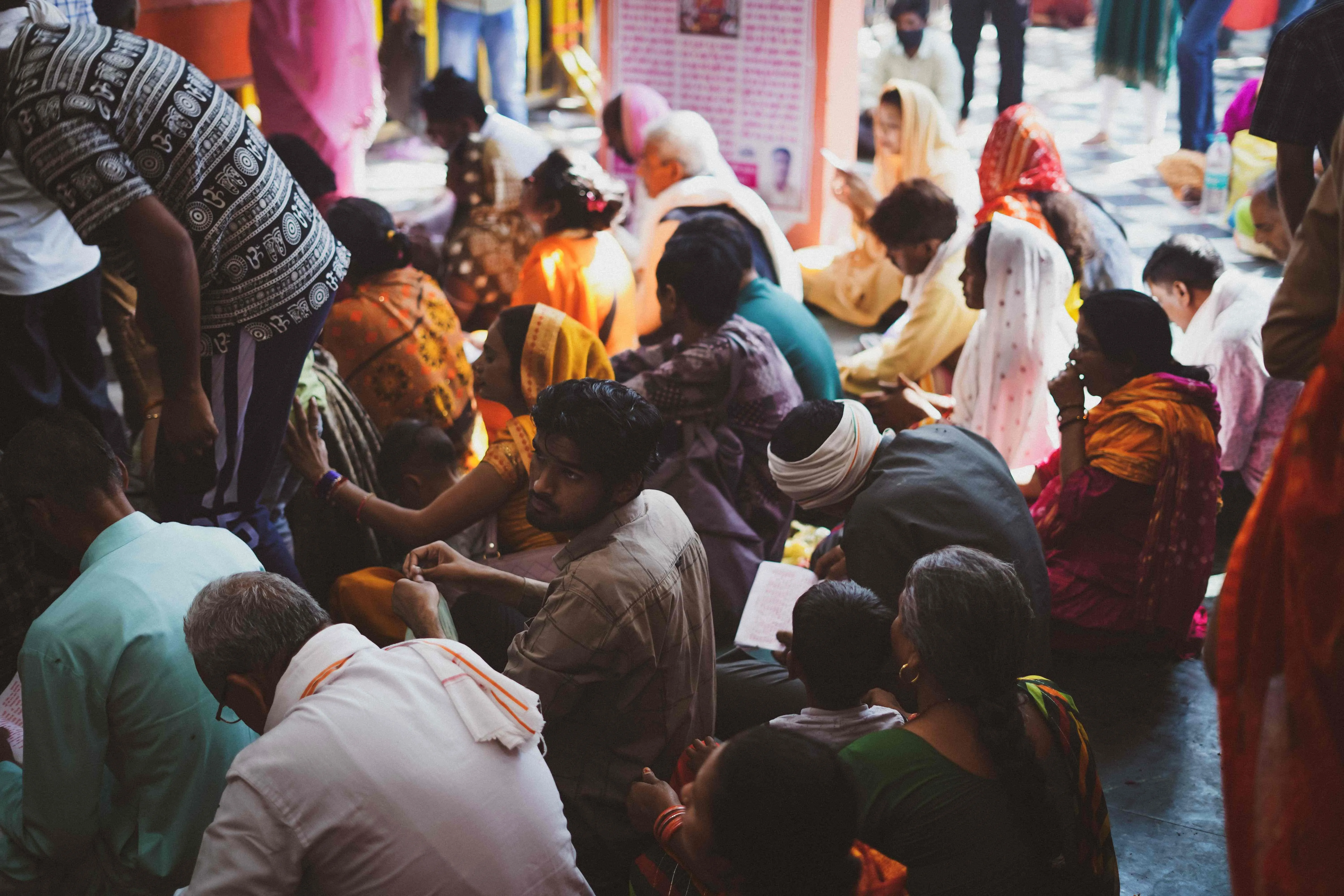
Tuck your legs beneath you or sit cross-legged inside the temple (Image: Pexels)
2. Taking Selfies Near Deities
With the rise of social media, clicking every moment and posting about it has become a new trend. However, photography in sacred spaces often disrupts the spiritual energy and breaches the security measures.
Using flash photography, filming during live prayer services, or posing casually or turning your back next to a revered statue should never be done.
What Should You Do Instead: First, look for a sign. If photography is allowed, turn off your flash, as it can damage ancient pigments and disturb meditators. Try to take respectful shots from a distance. Never turn your back on an idol just to pose for a selfie, as it is considered inauspicious.
3. Cross Sacred Thresholds With Shoes
Temples maintain strict physical boundaries between the outside world and the sacred inner sanctum. Cleanliness, both physical and mental, is non-negotiable.
Stepping inside the temple with shoes or leather items is strictly prohibited. Also, wearing revealing clothes is not appreciated.
What Should You Do Instead: Always enter the temple premises after removing your shoes. Remove hats and leather goods too. Keep shoulders, chest, and knees covered. Opt for modest, traditional attire, such as sarees, kurtas, or dhotis.
4. Touch Idols, Offerings, Or Sacred Relics Without Permission
In many temple traditions, idols undergo specific Pran Pratishtha rituals that make them spiritually 'alive.' Thus, reaching out to feel the texture of an ancient statue, touching priest-prepared offerings, or directly touching the idol is not appreciated.
What Should You Do Instead: Never touch anything related to the deity inside the sacred place unless a temple guide or priest explicitly invites you to participate, such as accepting holy water, receiving a blessing, or ringing a ritual bell.
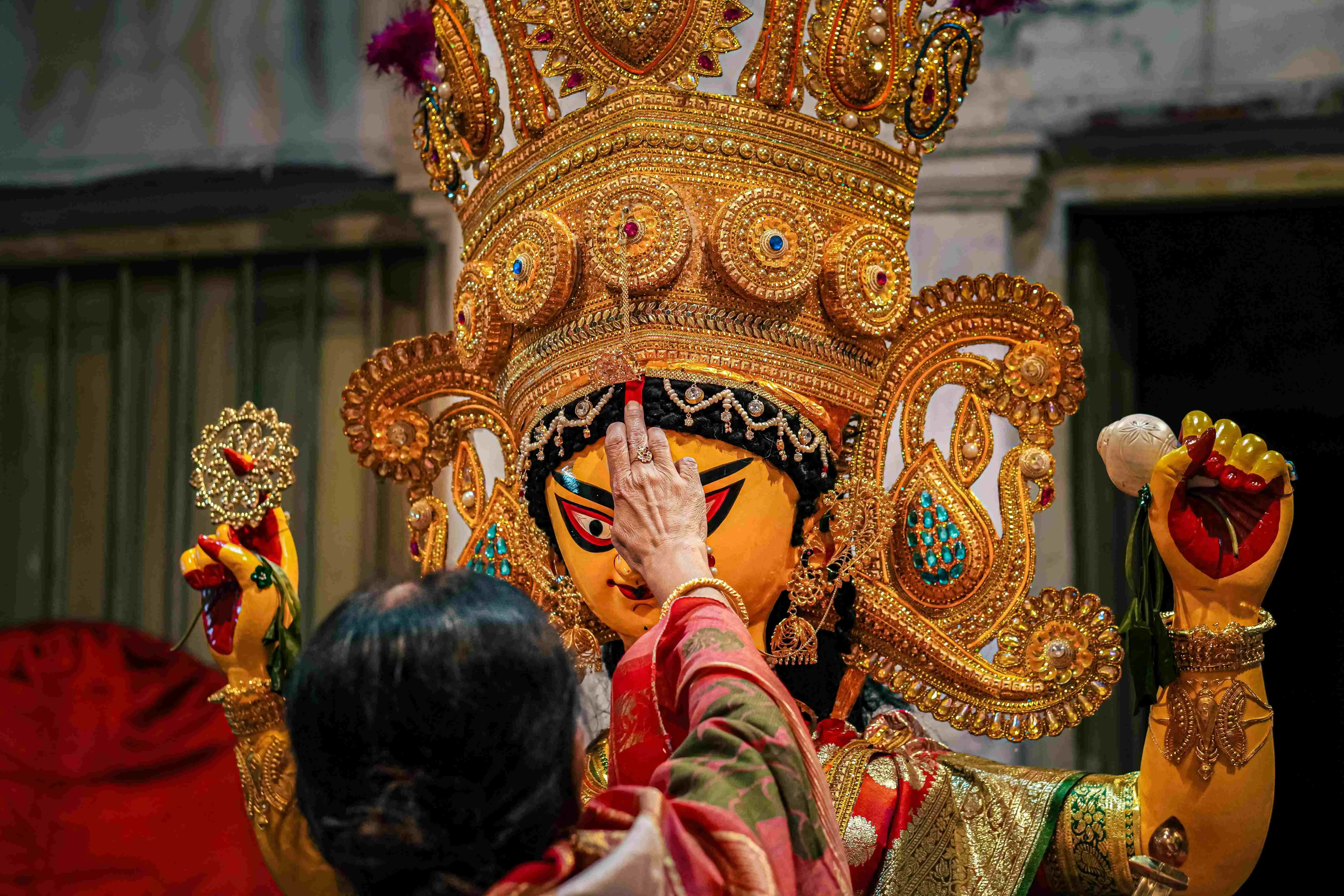
Never touch anything related to the deity inside the sacred place (Image: Pexels)
5. Walk Counter-Clockwise Around The Shrine
The direction in which you move matters deeply in ritual spaces.
Never walk counter-clockwise around a central altar, or turn your back on the main deity as you walk away.
What Should You Do Instead: In both Hindu and Buddhist traditions, circumambulation (walking around a sacred structure) should almost always be done clockwise, and when leaving the main sanctum, back away respectfully for a few steps before turning around fully.
ALSO READ: Why Are Temple Doors Closed During An Eclipse? Know The Hindu Beliefs Behind This Ritual
By following these guidelines and avoiding these common mistakes, you can make your temple visit more meaningful and harmonious.
FAQs
1. Is there a specific dress code for all temples?
Dress codes vary by religion and region, but modesty is generally key. Traditionally, during visits, shoulders, chest, and knees should be covered.
2. What should I do if I accidentally make a mistake?
If you accidentally make a mistake, instead of drawing attention to the mistake, quietly correct yourself and reflect on the importance of respectful intent.