

Panchamrit isn’t just an offering; it’s a living metaphor for the human condition. It’s served to harmonise the five elements (Pancha Mahabhuta) within us before we step into the divine presence.
That is why in temples and most Hindu households across India, Panchamrit is not a ritual but is believed to represent the Amrit, the elixir of life, carrying cosmic energy, blessings, and positivity.
Let's understand in detail its importance during puja and what its ingredients symbolise.
What Is Panchamrit And Why Is It Important?
Panchamrit, also known as Panchamrut, is derived from two Sanskrit words: panch, which means five, and amrit, which means nectar. This sacred offering is believed to come from the Samudra Manthan.
Panchamrit is made up of five ingredients: milk, curd, honey, sugar, and ghee. Each ingredient is believed to represent energies of purity, strength, and nourishment.
That is why it is offered to deities during Hindu rituals and festivals, especially during the worship of Lord Krishna and Lord Shiva. It is believed to purify the mind, body, and soul and is regarded as a sacred blessing when shared as prasad.
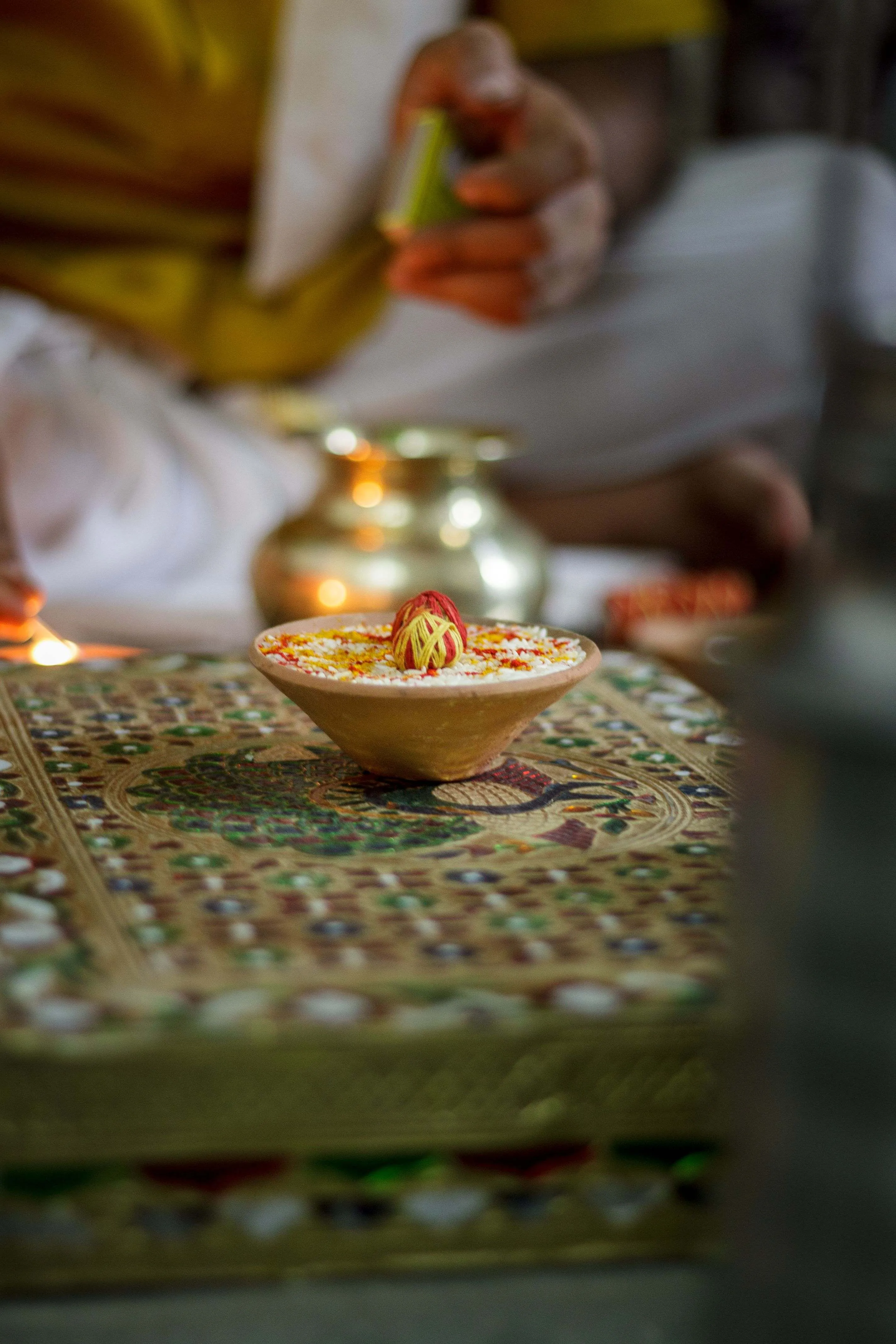
Panchamrit is made up of five ingredients: milk, curd, honey, sugar, and ghee (Image: Pexels)
The 5 Ingredients Of Panchamrit
Ingredient | Symbolism |
Milk (Cow/Raw) | purity and compassion. |
Curd (Dahi) | prosperity and 'turning the tide' of life. |
Honey | sweetness and the speech we offer to the world. |
Ghee | victory and spiritual illumination. |
Sugar/Jaggery | joy and the sweetness of devotion. |
Benefits Of Panchamrit
The mixture not only has spiritual benefits but also Ayurvedic benefits. Ancient scriptures describe Panchamrit as ojas-forming, meaning it ncreases mental clarity, reduces stress, and balances energy levels.
One sip of Panchamrit is believed to hold divine blessings, healing vibrations, and powerful sattvic qualities.
ALSO READ: What Is A Japa Mala? A Beginner’s Guide To Spiritual Focus
Health Benefits of Panchamrit
- The mix of curd, milk and honey boosts immunity.
- Improves digestion and enhances metabolism
- Provides mental clarity and deepens focus
- It purifies blood and removes harmful toxins from the body
- Hydrates skin tissues and provides clear, glowing skin
How To Prepare Panchamrit (Step By Step Process)
Panchamrit can be made very easily. Use intention, purity, and cleanliness when you prepare it.
1. Take one clean silver, brass or copper bowl and add half a cup curd and one cup milk in it and then mix it.
2. Then mix one tablespoon of ghee in it.
3. After this, again add one teaspoon of honey and one teaspoon of sugar or mishri.
4. Then stir all the ingredients clockwise while chanting mantras like ‘Om Vishnave Namah' or ‘Om Namah Shivaya’.
5. Add a few Tulsi (holy basil) leaves before offering.
Your Panchamrit is now ready for abhishek, naivedyam, and prasad distribution.
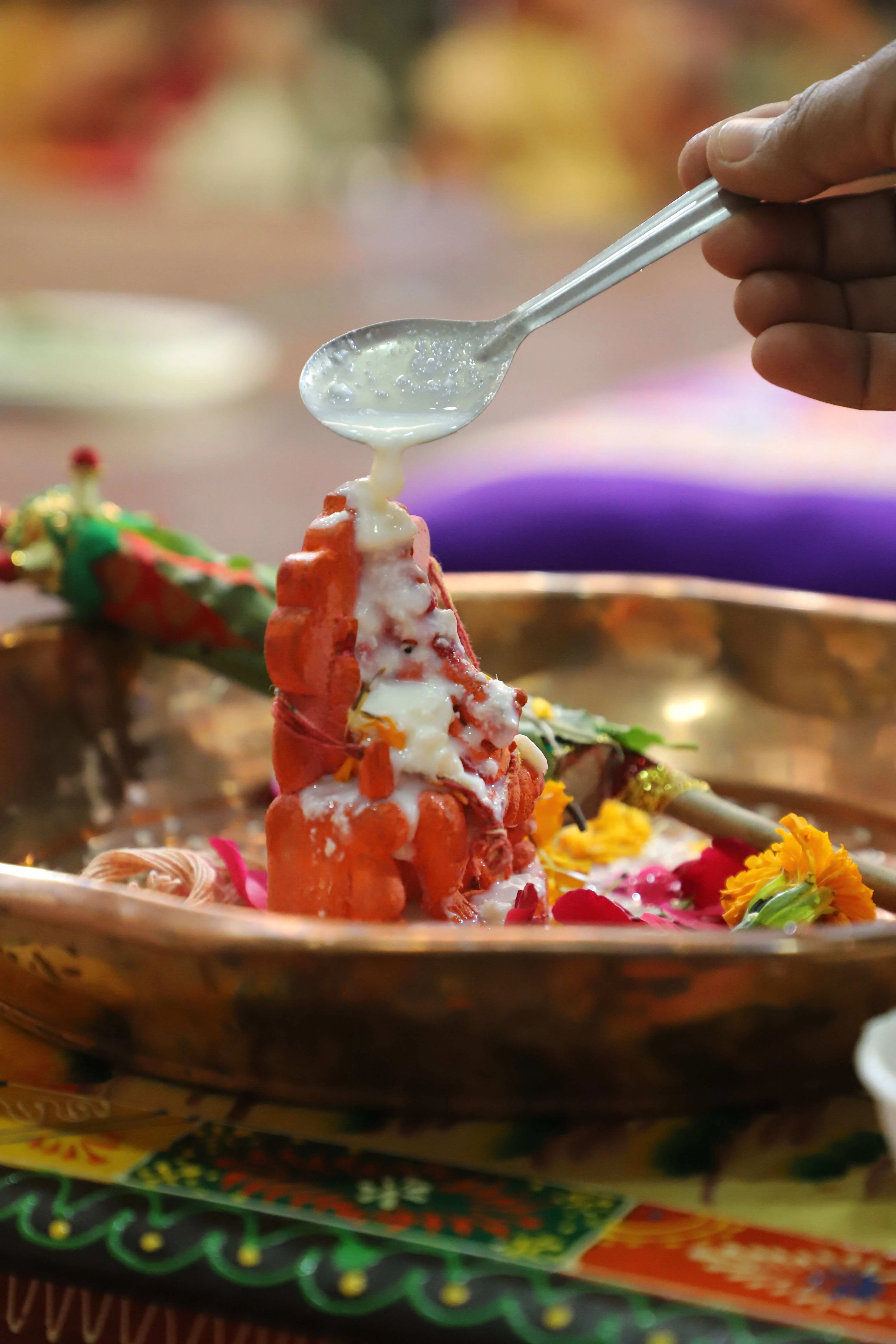
Panchaamrit is offered to deities during Hindu rituals and festivals (Image: Pexels)
Why Shouldn't It Be Kept For More Hours?
The usability of Panchamrit relies upon the environment and season. In winter, it remains fresh for 12 hours, but in summer, it turns stale within a couple of hours.
ALSO READ: Why Do Hindus Fast On Ekadashi? Know Its Deep Connection With Lord Vishnu
Thus, now you know why Panchamrit holds immense importance in puja rituals.
FAQs
1. What is Panchamrit?
Panchamrut is a sacred mixture made with five pure ingredients, which are milk, curd, ghee, honey, and jaggery, that symbolise purity and nourishment.
2. Can Panchamrit be consumed after offering?
Yes, it can be consumed as prasadam after the offering in the form of Charnaamrit.