

In Hinduism, you must have noticed that elders always advise their children not to look for a partner with whom they share the same gotra for marriage. For many generations, this tradition has been followed by our ancestors. However, when asked about the exact reason why people should never marry within the same gotra, most people are unable to answer. Let's understand in detail the reason behind this belief.
What Is Gotra In Hinduism?
The origin of gotras can be traced back to the Rig Veda. In Hinduism, 'gotra' is a term used to describe the connection with the ancestors, whose bloodline and teachings flow through you. Gotra is believed to be the backbone of Hindu ritual ceremonies. During a marriage, a priest often asks about the couple's gotra to invoke the blessings of their ancestral Rishis. One of the most significant uses of gotra is believed to identify family lineage and blood relations.
How Many Gotras Are There In Hinduism?
A total of seven primary gotras trace back to seven prominent sages (Saptarishis). However, in changed times, it is now believed that there are over 48 gotras and sub-gotras passed down through different communities and generations.
The seven main gotras in Hinduism are:
- Atri
- Vashishtha
- Kashyap
- Gautam
- Bharadwaj
- Vishwamitra
- Angiras
What Is A Same Gotra Marriage And Why Is It Not Allowed?
A same-gotra marriage basically means both spouses belong to the same gotra, which means they share the same lineage and bloodline. Traditionally, people have opposed such marriages because they are seen as a disrespect to the ancestors.
Some significant reasons why a same-gotra marriage is traditionally not allowed are:
1. Shared Ancestral Lineage
People belonging to the same gotra are believed to share a common lineage and are considered siblings. That is why people always frown upon the idea of a same-gotra marriage.
2. Genetic Disorders
Traditionally, it was believed that marrying in the same gotra could cause genetic issues in their child because of sharing the same bloodline. However, with the advancement in modern science, this belief is often rejected by many people.
3. Ritual Harmony
If you notice, during Hindu marriage rituals, the priest often asks about the couple’s gotra. So, to maintain traditional customs and avoid objections from elders, many people often reject the idea of the same-gotra marriage.
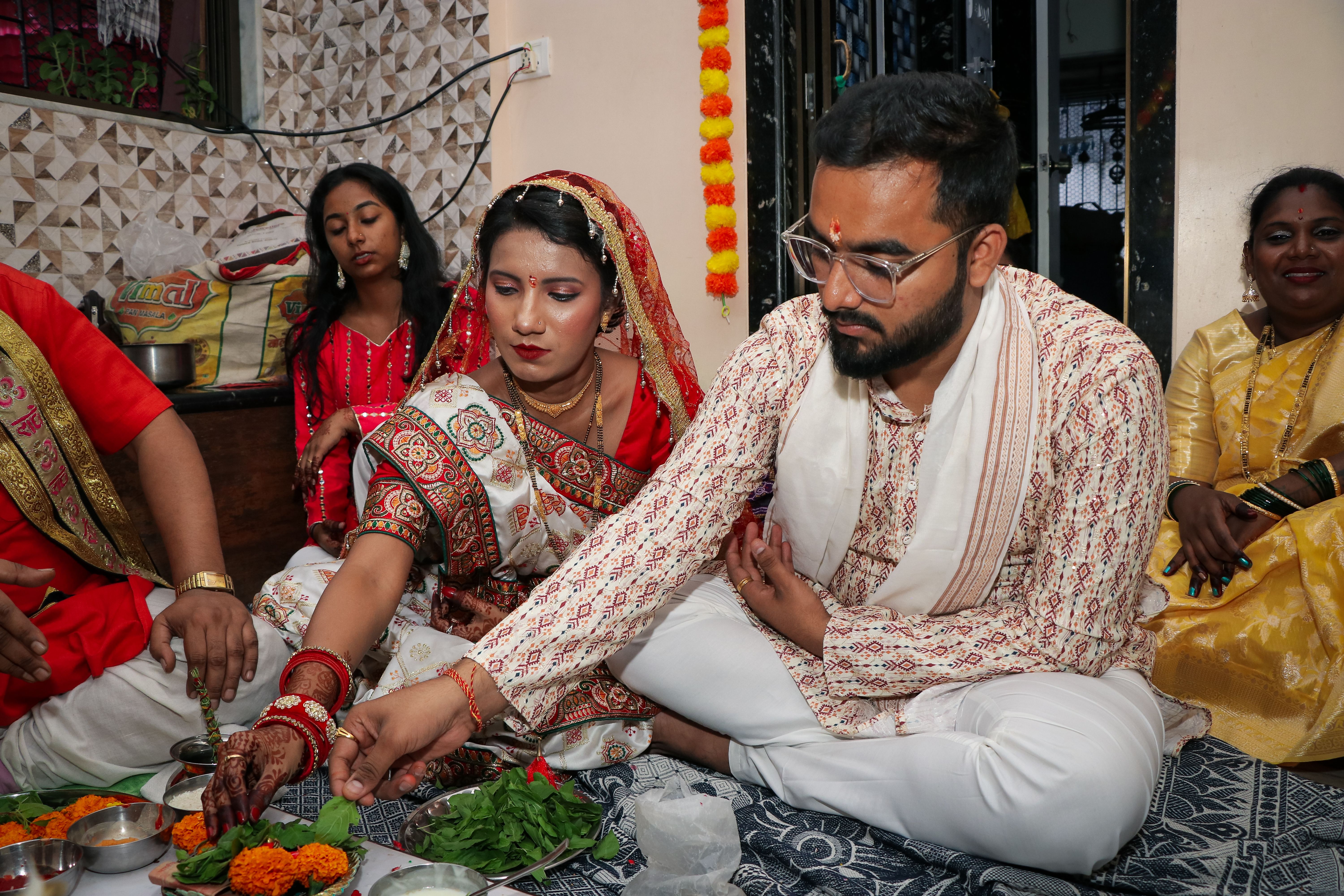
During Hindu marriage rituals, the priest often asks about the couple’s gotra (Image: Pexels)
ALSO READ: The Hidden Meaning Of Throwing Rice During Vidai That Many People Don't Know
Can We Marry In The Same Gotra?
It totally depends on an individual's choice whether they want to marry in the same gotra. According to the law, two consenting adults can marry regardless of whether they share the same gotra. However, according to Hindu beliefs, people do not marry in the same gotra.
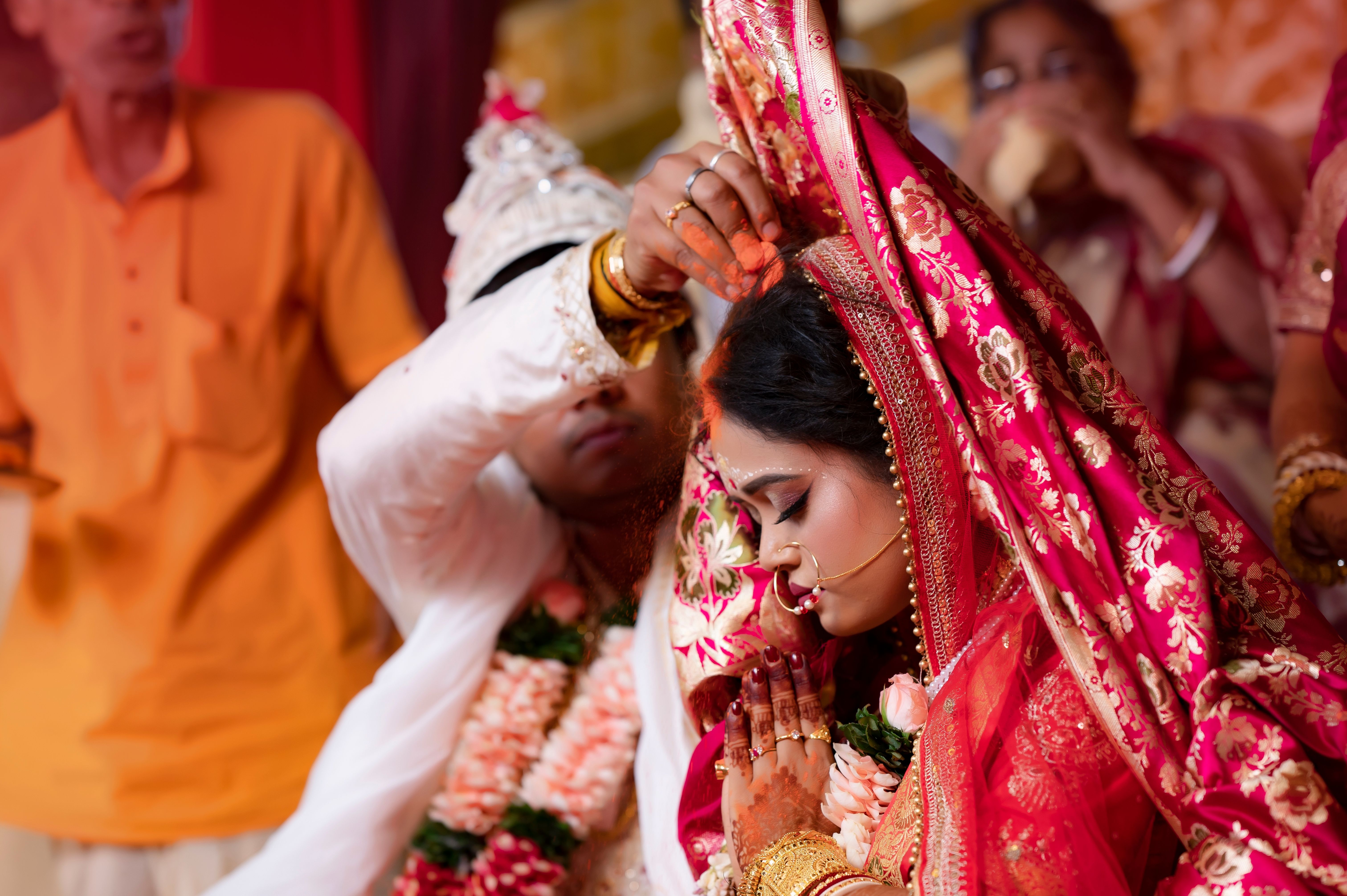
According to the law, two consenting adults can marry regardless of whether they share the same gotra (Image: Pexels)
In today's world, many people no longer follow this tradition. With advancements in science and changing social beliefs, many people often marry even after sharing the same gotra. Same-gotra marriage is neither prohibited by Indian law nor by science; it’s a tradition traced back to ancient beliefs.