
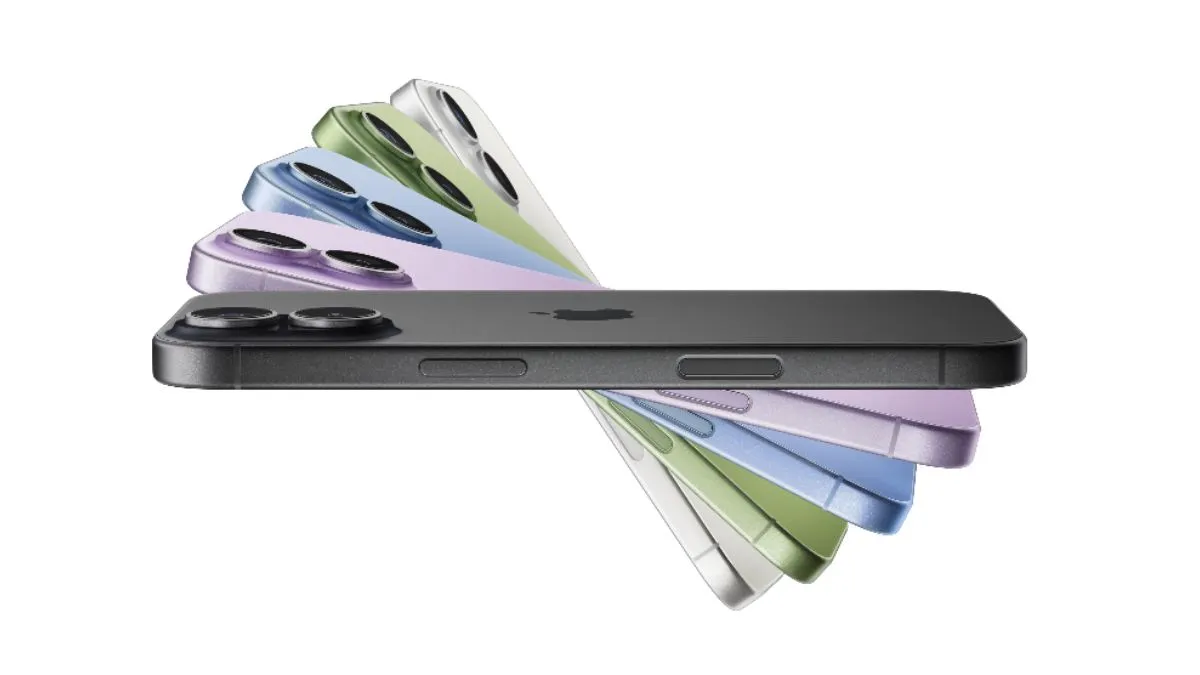
Apple is expected to take a major leap in chip technology in 2026, but that upgrade may come with a price shock for buyers. The company is rumoured to introduce its first 2nm flagship mobile processor with the iPhone 18 lineup, following Samsung’s recent unveiling of the 2nm Exynos 2600. However, rising silicon wafer prices could push Apple into a tough decision: protect margins or raise iPhone prices.
Apple’s 2nm Chip Plans for 2026
Apple is widely expected to launch four models in September 2026—the iPhone 18 Pro, the iPhone 18 Pro Max, the successor to the iPhone Air, and the iPhone Fold 2. These devices are tipped to run on the A20 or A20 Pro chipset, which will reportedly be manufactured by TSMC using its advanced 2nm process.
ALSO READ: iQOO 15R Spotted On Bluetooth SIG, Could Launch As Rebranded iQOO Z11 Turbo
Moving from 3 nm to 2 nm brings clear benefits in performance and power efficiency, but it also significantly increases manufacturing complexity and cost.
Why Chip Costs Are Rising
According to a report from Taiwan, TSMC is raising prices for silicon wafers used in 2nm fabrication. A 2 nm chip typically relies on a 12-inch wafer with around 100 individual layers, and each wafer is estimated to cost about $30,000 (roughly Rs. 27 lakh).
Recommended For You
For comparison, wafers used for the current 3nm process cost around $20,000 (roughly Rs. 18 lakh). That jump directly affects how much Apple pays per chip.
What This Means for Apple’s A20 Processor
Because of the higher wafer costs, Apple is reportedly expected to pay as much as $280 (around Rs. 25,200) per A20 or A20 Pro chip. That’s a massive increase compared to earlier generations.
To put this into perspective, Apple is said to pay roughly $150 (around Rs. 13,500) for the A19 Pro, while the A18 Pro reportedly cost close to $50 (around Rs. 4,500). The jump highlights just how expensive cutting-edge silicon has become.
Will Apple Raise iPhone 18 Prices?
The report suggests Apple has two realistic options. It can absorb the higher chip costs and accept lower profit margins, or it can pass the increase on to consumers by raising iPhone prices in 2026.
ALSO READ: Apple’s Low-Cost MacBook Could Launch In 2026, Bringing The Price Even Under MacBook Air
Given Apple’s consistent focus on margins and the already premium pricing of Pro models, a price hike for the iPhone 18 series now looks increasingly likely.
Samsung vs TSMC: A Cost Comparison
Interestingly, Samsung appears to have a pricing advantage at 2nm. Reports claim Samsung Foundry is charging around $20,000 for a 12-inch 2 nm GAA wafer — roughly 33 per cent less than TSMC’s pricing. That’s closer to what TSMC currently charges for 3nm production.
However, TSMC is still believed to offer better yields, which helps explain why Apple continues to rely on it despite higher costs.
The Bigger Picture
As chipmaking moves into the 2nm era, even companies with Apple’s scale are feeling the pressure. If these reports hold true, the iPhone 18 lineup could mark another turning point where next-generation performance comes at a noticeably higher price, and buyers may have to decide whether the jump is worth it.