- By Aditi Priya Singh
- Tue, 09 Dec 2025 06:20 PM (IST)
- Source:JND
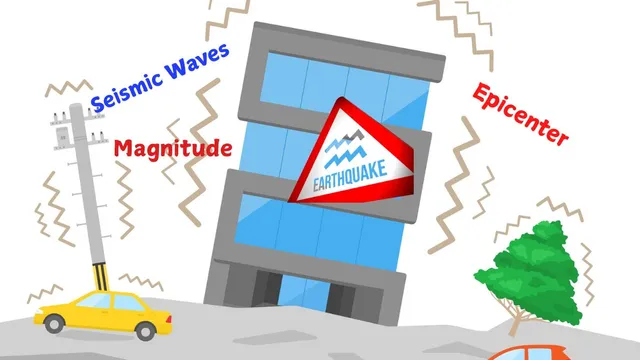
30+ Important Earthquake Terms: Earthquakes are one of the most powerful natural occurrences or disasters that have the potential to shake the earth, destroy structures and occasionally cause tsunamis, which are enormous waves of water that pose a threat to coastal regions. Japan witnessed a massive earthquake with a Richter scale of 7.5 magnitude. People who live near the sea are alarmed after this. Experts cautioned about a powerful tsunami after that earthquake, reminding everyone of how crucial it is to comprehend terms related to earthquakes.
Knowing important terms related to earthquakes like epicentre, magnitude, tremor, aftershock, tsunami or fault line - helps people to react quickly instead of panicking whenever alerts pop up. If reports mention seismic waves or Richter scale readings, are they warnings of how dangerous or serious the situation might be? Knowing these terms will help you protect yourself and your loved ones, regardless of whether you live in an earthquake-prone area or simply stay vigilant.
30+ Key Earthquake Terms You Must Know
In an emergency, staying calm and knowing your next move will save your life and others. To keep things clear, ready or under control, here are 30+ key words about earthquakes - each one explained simply.
Recommended For You



| No. | Term | Easy Meaning |
|---|---|---|
| 1 | Earthquake | Sudden shaking of the ground due to movement inside the Earth. |
| 2 | Seismic Waves | Waves of energy are released during an earthquake. |
| 3 | Epicenter | The point on the surface directly above where the earthquake starts. |
| 4 | Hypocenter (Focus) | The location below the Earth where the earthquake begins. |
| 5 | Magnitude | The strength or size of an earthquake. |
| 6 | Intensity | The amount of shaking felt at a specific place. |
| 7 | Richter Scale | A scale used to measure earthquake magnitude. |
| 8 | Aftershocks | Small earthquakes that happen after the main earthquake. |
| 9 | Foreshocks | Small earthquakes that happen before a major earthquake. |
| 10 | Fault Line | A break or crack in the Earth where movement happens. |
| 11 | Tectonic Plates | Large pieces of Earth's surface that move and cause earthquakes. |
| 12 | Seismology | The study of earthquakes. |
| 13 | Seismograph | A machine that records earthquake waves. |
| 14 | Seismogram | The paper or digital record of earthquake waves. |
| 15 | Liquefaction | When wet soil becomes like liquid due to shaking. |
| 16 | Tsunami | Huge sea waves caused by underwater earthquakes. |
| 17 | Epicentral Distance | The distance from the recording station to the epicentre. |
| 18 | Plate Boundary | The edges where tectonic plates meet. |
| 19 | Crust | The outermost layer of the Earth where quakes occur. |
| 20 | Fault Slip | The movement along a fault line during a quake. |
| 21 | Ring of Fire | A region around the Pacific Ocean is prone to many earthquakes. |
| 22 | Elastic Rebound | Rocks snap back to their original shape after stress, causing quakes. |
| 23 | Focus Depth | How deep does the earthquake start below the Earth’s surface? |
| 24 | Ground Motion | Shaking of the Earth’s surface during a quake. |
| 25 | Epicentral Zone | Area near the epicentre where damage is most serious. |
| 26 | S-Waves (Secondary Waves) | Slower waves that shake the ground up and down. |
| 27 | P-Waves (Primary Waves) | Fastest waves that travel through rock and liquid. |
| 28 | Surface Waves | Waves that travel only on the surface cause the most damage. |
| 29 | Prediction | Guessing or estimating when an earthquake may happen. |
| 30 | Hazard Map | A map showing areas likely to face strong earthquakes. |
| 31 | Seismic Zone | A region that experiences frequent earthquakes. |
ALSO READ: 20+ Common Ocean Disaster Terms With Their Meanings- Cyclone, Typhoon, Hurricane And More
Knowing earthquakes is not just about measuring power -but it’s also about learning up on science terms and what they actually mean. Words such as fault lines or seismic waves reveal how the ground shifts below. Japan, where earthquakes happen a lo,t and alerts appear frequently- being informed really helps out there. Rather than freaking out, people who know these basic terms act better when things go wrong.
Why Knowing These Terms Matters
1. It makes earthquake news easier to get.
2. It boosts understanding of safety plus readiness for emergencies.
3. It creates a foundation for understanding how our planet shifts and transforms.
4. Earthquakes can't be halted - yet knowing more keeps us sharp, ready ahead. Still, being aware makes a difference down the line.