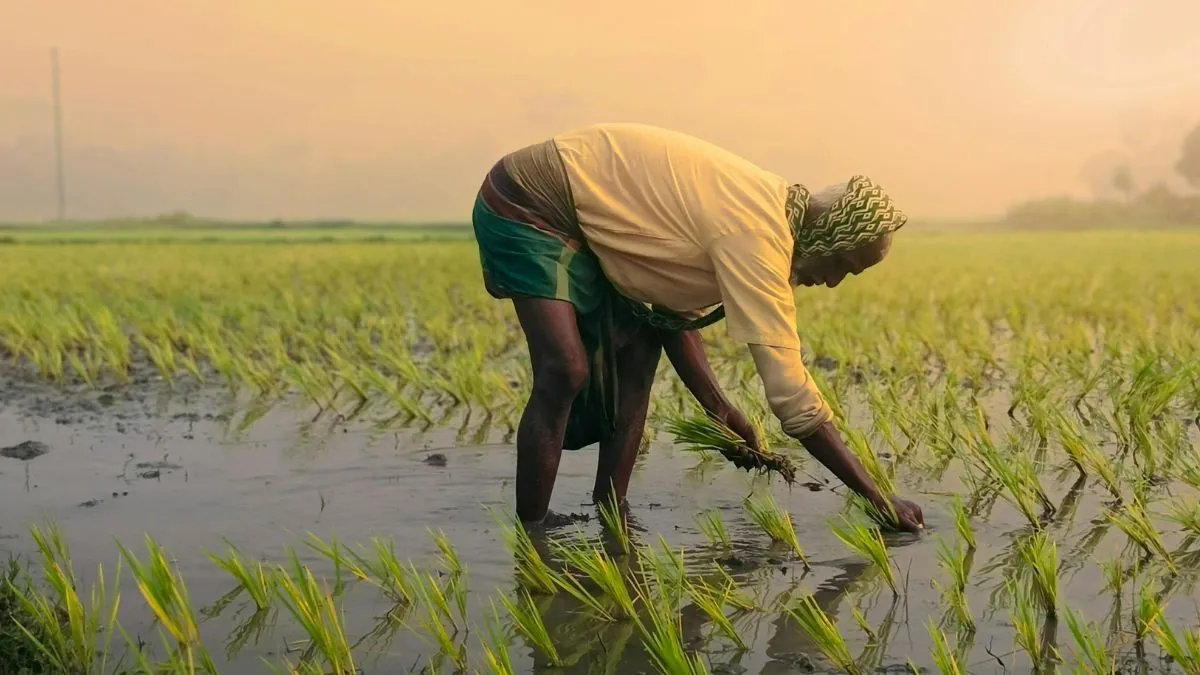
Chief Minister Yogi Adityanath’s “Bottleneck to Breakthrough” vision has brought about a major transformation in Uttar Pradesh’s agricultural sector, turning the state into a key contributor to national food security. Once plagued by food grain shortages and black marketing before 2017, Uttar Pradesh has emerged as a strong pillar of the country’s food system under nearly nine years of the so-called ‘Yogi Model’.
Despite having only about 10 per cent of the country’s total agricultural land, Uttar Pradesh now contributes nearly 21 per cent to India’s total food grain production. The growth rate of agriculture and allied sectors, which earlier remained in single digits, has consistently stayed above 14 per cent over the past three years.
From the beginning of his tenure, the Yogi government has positioned farmers as the backbone of the state’s economy rather than a political constituency. Key focus areas have included transparency in crop procurement, timely payment to farmers, and expansion of irrigation facilities.
Recommended For You
To strengthen the ‘Lab to Land’ connect, agricultural scientists have directly interacted with around 23.3 lakh farmers across 14,170 villages. In addition, loans of about 16 lakh farmers operating private tubewells have been waived, providing substantial financial relief.
Under the guidance of Prime Minister Narendra Modi, Uttar Pradesh has also taken the lead in implementing the Pradhan Mantri Kisan Samman Nidhi scheme. Through 21 instalments so far, nearly Rs 9.47 lakh crore has been transferred directly into the bank accounts of farmers in the state. To promote the use of modern technology in agriculture, the government has established institutional facilities such as a Seed Park in Lucknow and a Tissue Culture Laboratory in Barabanki. In the cooperative sector, interest rates on agricultural loans have been reduced from 11.5 per cent to 6 per cent.
In a major boost to the rural economy, the state government has increased the State Advised Price (SAP) of sugarcane by Rs 30 per quintal for the 2025-26 crushing season. The price for the early variety has been fixed at Rs 400 per quintal, a move expected to provide an additional benefit of around Rs 3,000 crore to sugarcane farmers. Since 2017, the government has made record sugarcane payments of about Rs 2.96 lakh crore, reflecting growing trust among farmers in the state’s agricultural policies.