

- By Ankit Kumar
- Tue, 11 Jun 2024 07:02 PM (IST)
- Source:JND
The 2024 EU Election stands as a pivotal juncture in Europe's political narrative, signalling significant shifts that extend beyond its borders to influence global frameworks. The 2024 EU election outcomes mirror a broader spectrum of political recalibration within the EU. This year's electoral dynamics are marked by a notable rise in nationalist sentiments and the resurgence of right-leaning ideologies, which could potentially reshape the EU's foreign policy and trade priorities.
Influential figures such as Italy's Giorgia Meloni are at the forefront, capturing widespread attention and prompting discussions on the future direction of the EU. These developments emphasise the critical need for strategic engagement and cooperation with key international partners, including India. As the world's fifth-largest economy, India's relationship with the EU is poised to enter a nuanced phase, underscoring the importance of diplomacy and economic interdependence in the face of global political turbulence. The 2024 EU Election not only serves as a barometer for the political climate within Europe but also signals potential shifts in international relationships. Understanding the nuances of this electoral process is crucial for grasping the broader implications for global diplomacy and economic ties, making this election a turning point in both European and global politics.
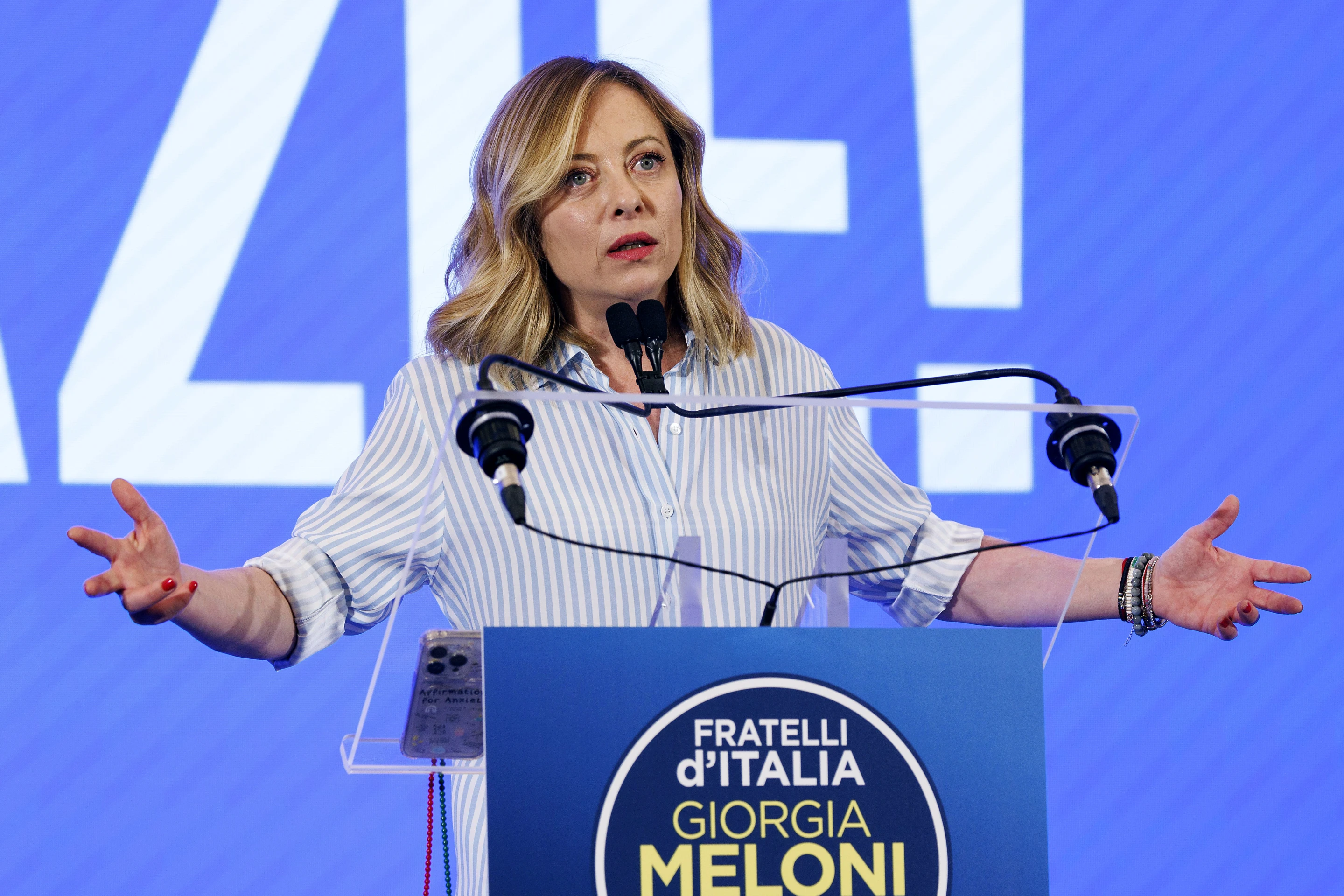
Italian Prime Minister Giorgia Meloni speaks about the results of the European Parliamentary elections at a press conference at the Fratelli d'ltalia party electoral committee in Rome, Monday, June 10, 2024. (Roberto Monaldo/LaPresse via AP)
Significance Of 2024 EU Election
The 2024 European Union (EU) election is poised to shape Europe's political landscape for the next five years. Its significance lies in its potential to steer the EU's policies and priorities. The elected representatives will play a crucial role in major EU decisions.
The elections are governed by the Treaty on European Union and the Treaty on the Functioning of the European Union, alongside the Act concerning the election of MEPs (members of the European Parliament) by direct universal suffrage. This Act mandates that electoral procedures follow national provisions under the oversight of broader EU regulations. Voting is based on direct universal suffrage and employs proportional representation through either a list system or single transferable vote, with national thresholds not exceeding 5 per cent of votes cast.
Marking the first European Parliament election post-Brexit, the 2024 elections reflect a restructured political environment. Despite the ongoing discussions about electoral reform, the 2024 EU elections were conducted under the amended 1976 Electoral Act. The newly elected Parliament will face pressing issues like economic recovery, environmental sustainability, and international relations, navigating a diverse and evolving political landscape.
Major Winners And Losers
In the 2024 EU Election, several parties emerged as key players, influencing Europe's political future. In France, the Rassemblement National (National Rally), led by Jordan Bardella, achieved a substantial victory with potentially securing 30 seats and 31.5 per cent of the votes, signalling a shift towards nationalist and right-leaning policies. Conversely, the ruling coalition in France, including Renaissance, Horizons, MoDem, UDI, and Parti Radical, saw a significant decline, securing only 13 seats with 15.2 per cent of the vote. The Place Publique - Parti Socialiste, led by Raphaël Glucksmann, also won 13 seats, maintaining a stable but non-dominant position.
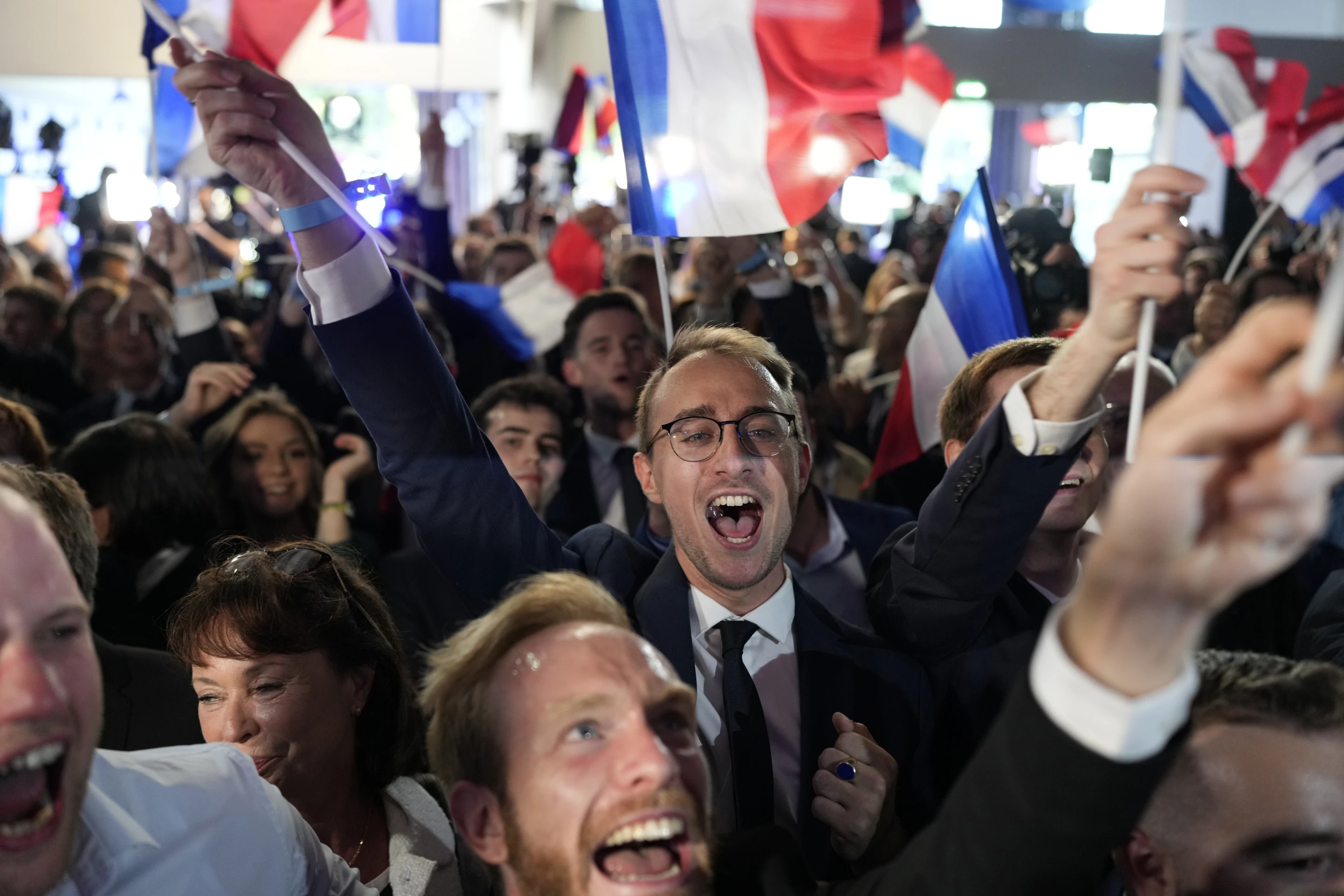
Supporters of French far-right National Rally react at the party election night headquarters, Sunday, June 9, 2024 in Paris. First projected results from France put far-right National Rally party well ahead in EU elections, according to French opinion poll institutes. (AP Photo/Lewis Joly)
The results underscore a broader trend of shifting allegiances and the rise of right-wing populism across Europe. In Germany, the far-right Alternative for Germany (AfD) made notable gains, while Poland's Civic Coalition, led by Donald Tusk, emerged victorious over the far-right Law and Justice party. These shifts reveal a complex and evolving political landscape where traditional parties face increasing pressure from populist movements. The far-right's success in France, coupled with President Macron's call for snap national elections, exemplifies the volatile nature of contemporary European politics.
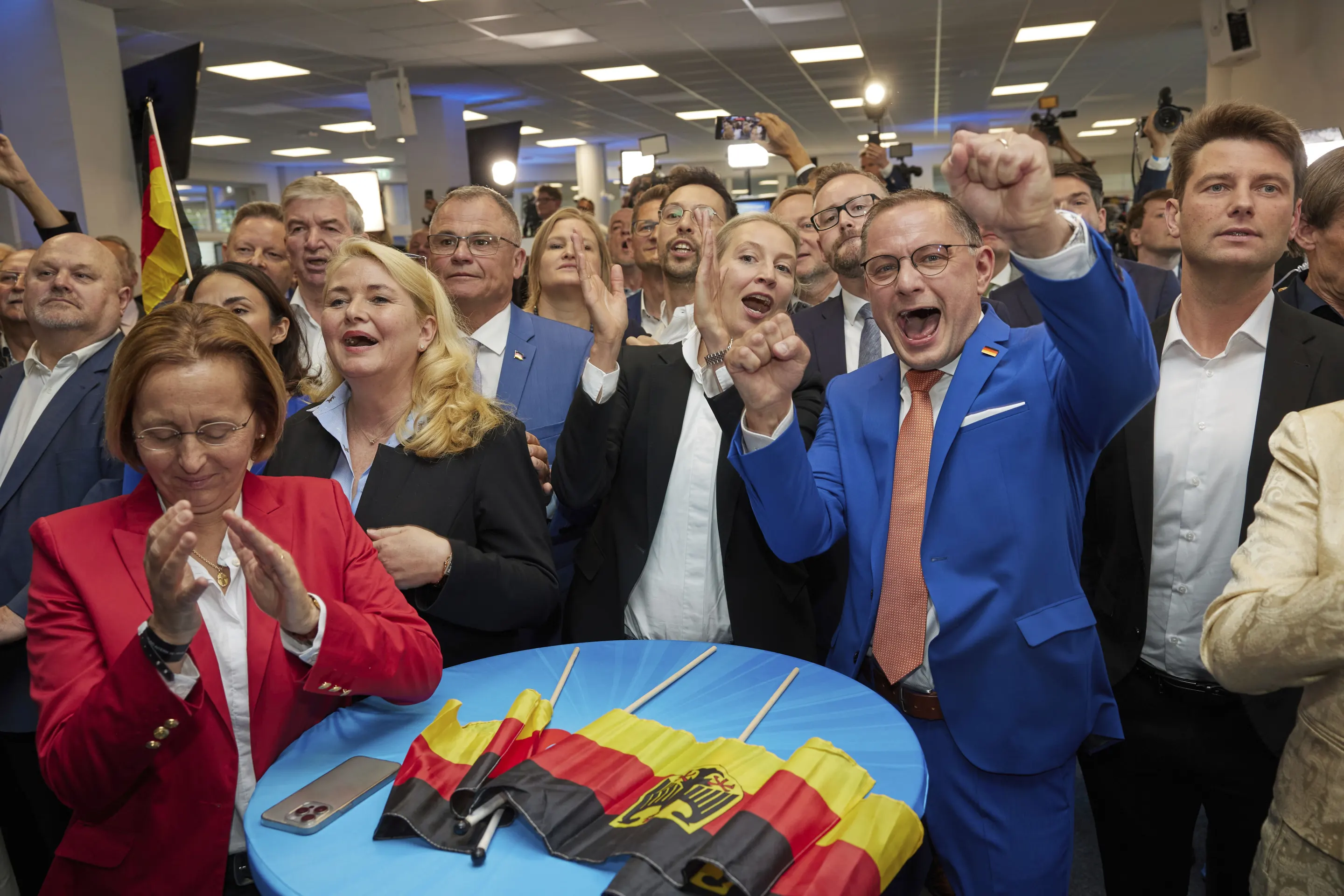
Alice Weidel, center, and Tino Chrupalla, center rught, both AfD federal chairmen, cheer at the AfD party headquarters during the forecast for the European elections, in Berlin, Sunday June 9, 2024. (Joerg Carstensen/dpa via AP)
Voter Turnout And Public Sentiment
The 2024 European Union elections saw an estimated voter turnout of 51 per cent, aligning with the 50.66 per cent turnout of 2019, reflecting consistent electoral engagement despite numerous crises. Historically, EU election turnout has fluctuated based on the socio-political climate. The sustained turnout in 2024, amid significant challenges, highlights voters' enduring interest in EU governance.
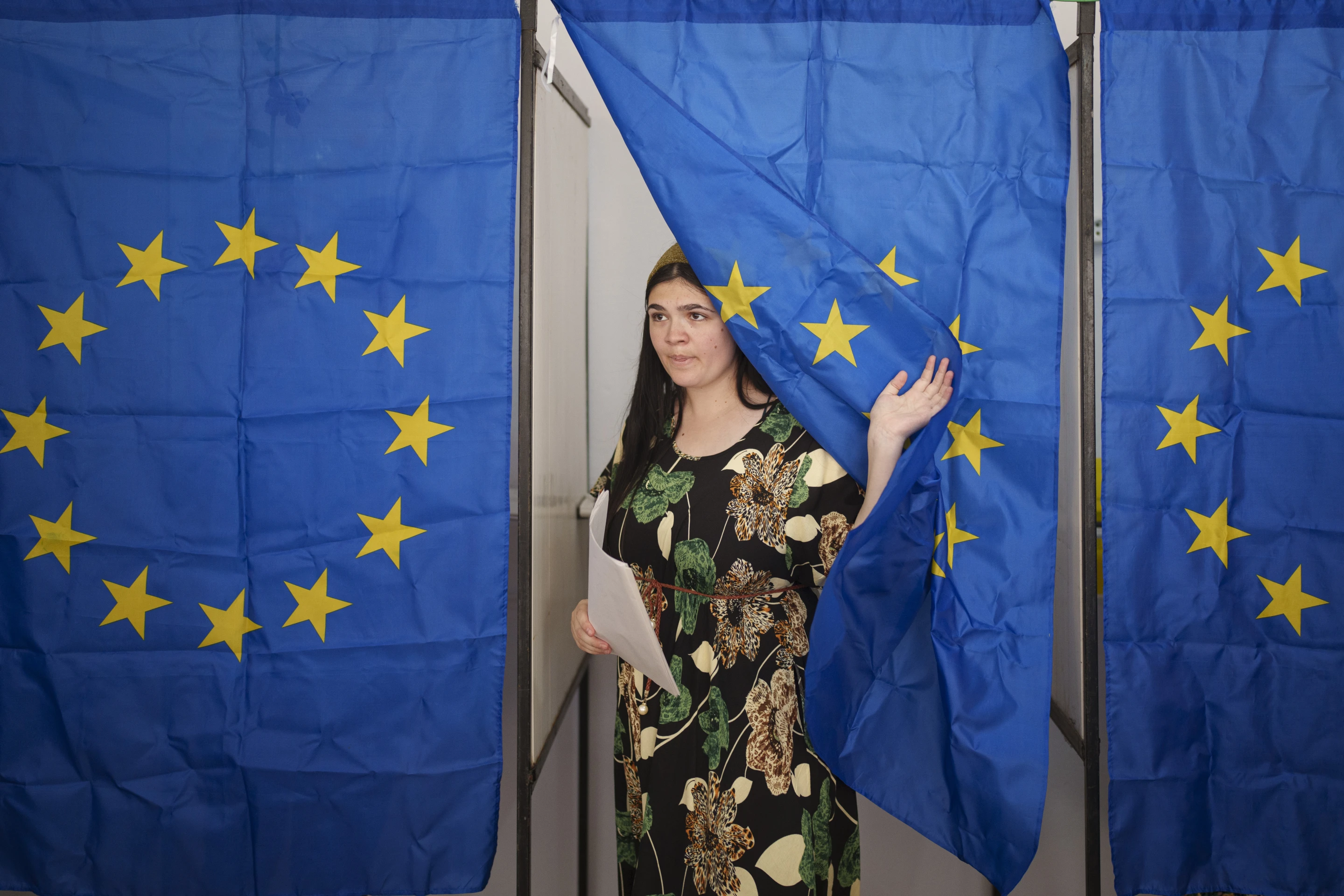
A woman exits a voting cabin after casting her vote in European and local elections in Baleni, Romania, Sunday, June 9, 2024. Tens of millions across the European Union were voting in EU parliamentary elections on Sunday in a massive exercise of democracy that is expected to shift the bloc to the right and redirect its future. (AP Photo/Vadim Ghirda)
Voter Perception And Issues
The 2024 elections were influenced by overlapping crises, including the economic fallout from the COVID-19 pandemic and the geopolitical impact of Russia's invasion of Ukraine. These crises intensified economic and social hardships, leading to increased poverty and inflation. The EU's boycott of Russian energy imports and support for Ukraine further shaped the political climate.
These challenges created a 'perfect storm' that benefited far-right groups, who often blamed migrants, EU's Ukraine support, and sanctions on Russia for the prevailing issues. Additionally, the EU's climate agenda faced backlash, particularly from rural voters and farmers opposed to higher fuel duties and agricultural subsidy reforms aimed at promoting a green transition.
Public sentiment during the elections was polarised, with voters concerned about poverty, social exclusion, public health, and EU defence and security. The rise of eurosceptic groups like the European Conservatives and Reformists (ECR) and the Identity & Democracy group poses challenges to traditional EU dynamics. These groups advocate varying degrees of scepticism towards EU integration, potentially influencing policies on migration, support for Ukraine, and EU enlargement and climate commitments.
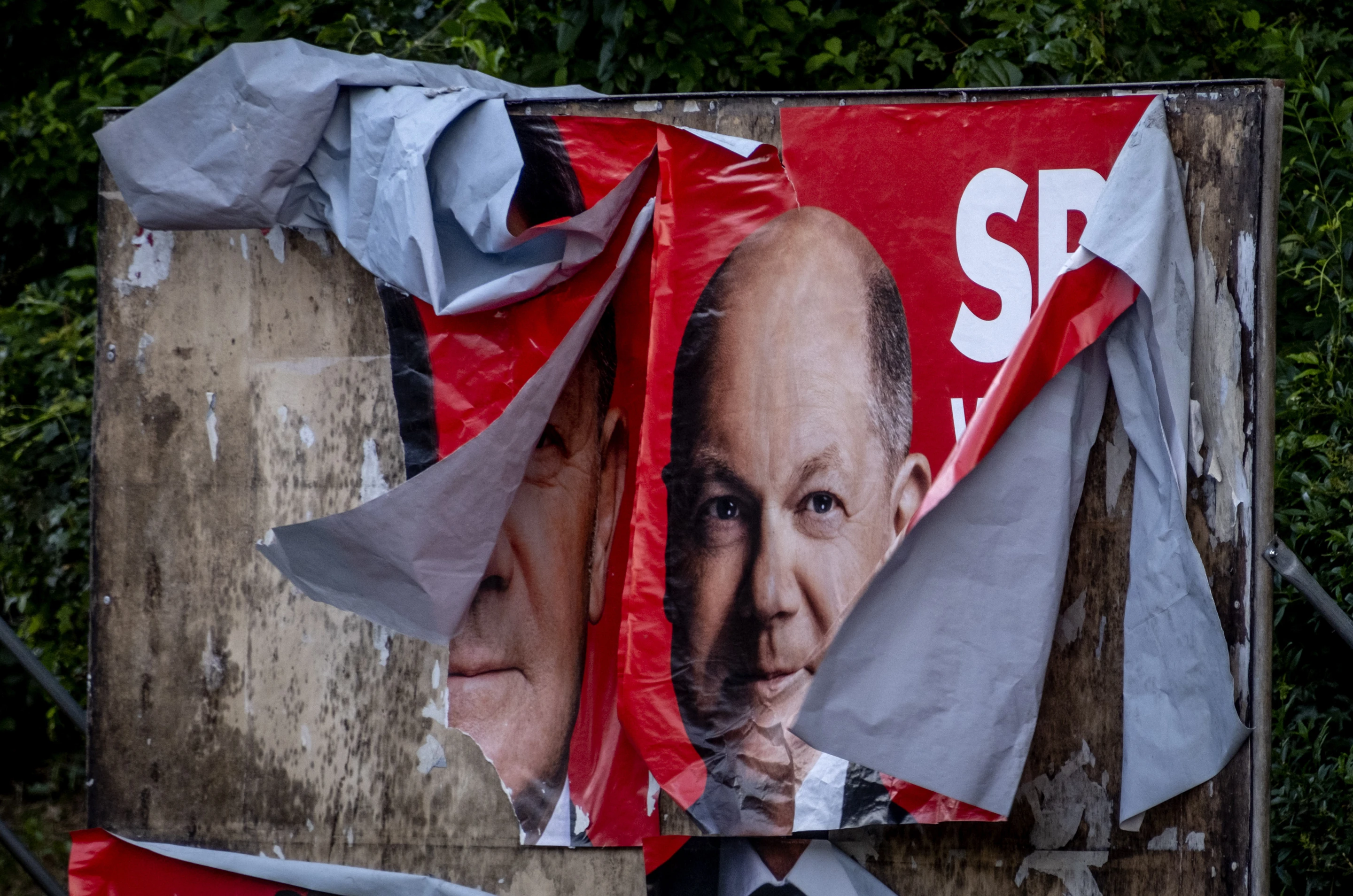
A damaged election poster shows German Chancellor Olaf Scholz in Frankfurt, Germany, Monday, June 10, 2024. (AP Photo/Michael Probst)
Shifts In European Parliament
The 2024 EU Election ushered in notable shifts within the European Parliament, fundamentally transforming political dynamics and legislative processes. This electoral outcome mirrors a broader trend across Europe, where traditional center-right and center-left parties have waned, creating space for populist and Eurosceptic groups to gain influence.
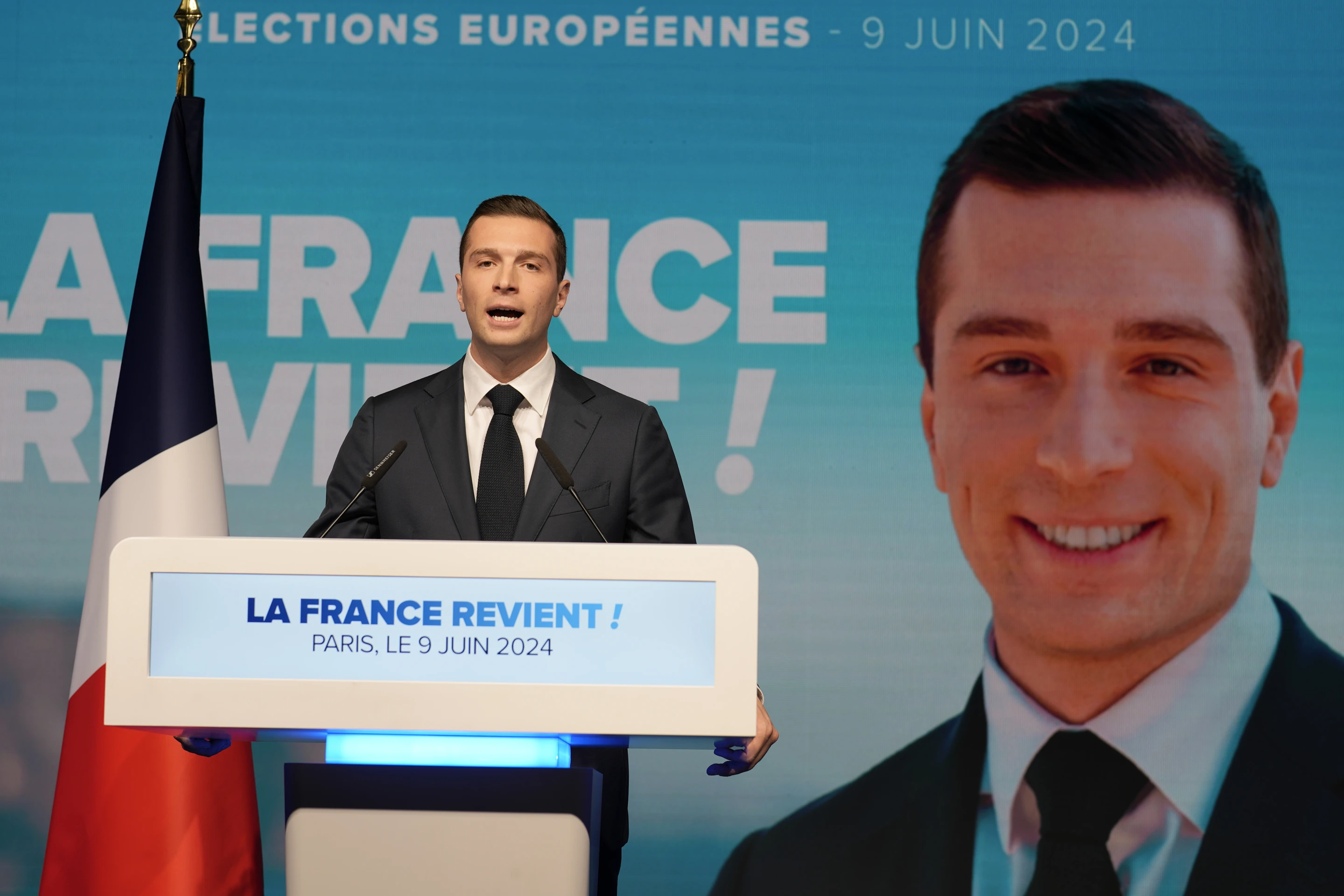
French far-right National Rally lead candidate Jordan Bardella delivers a speech at the party election night headquarters, Sunday, June 9, 2024 in Paris. First projected results from France put far-right National Rally party well ahead in EU elections, according to French opinion poll institutes. (AP Photo/Lewis Joly)
New Political Alignments
The recent elections led to new political alignments within the European Parliament, with traditional power blocs losing their majority. This shift has facilitated the rise of new coalitions that are increasingly shaping the policy agenda. The prominence of Eurosceptic and populist parties has complicated the consensus-building process essential for smooth legislative operations. These parties have gained traction by capitalising on public dissatisfaction with current economic and social issues, thereby influencing the Parliament's composition and steering its political orientation.
Impact On EU Legislation
The shifts in political power within the European Parliament have had a significant impact on EU legislation. The increased presence of Eurosceptic and populist members has introduced new complexities in reaching consensus on critical issues, such as economic recovery, climate change, and public health initiatives. These challenges are compounded by the divergent views of new parliamentary members who often prioritise national interests over collective European goals.
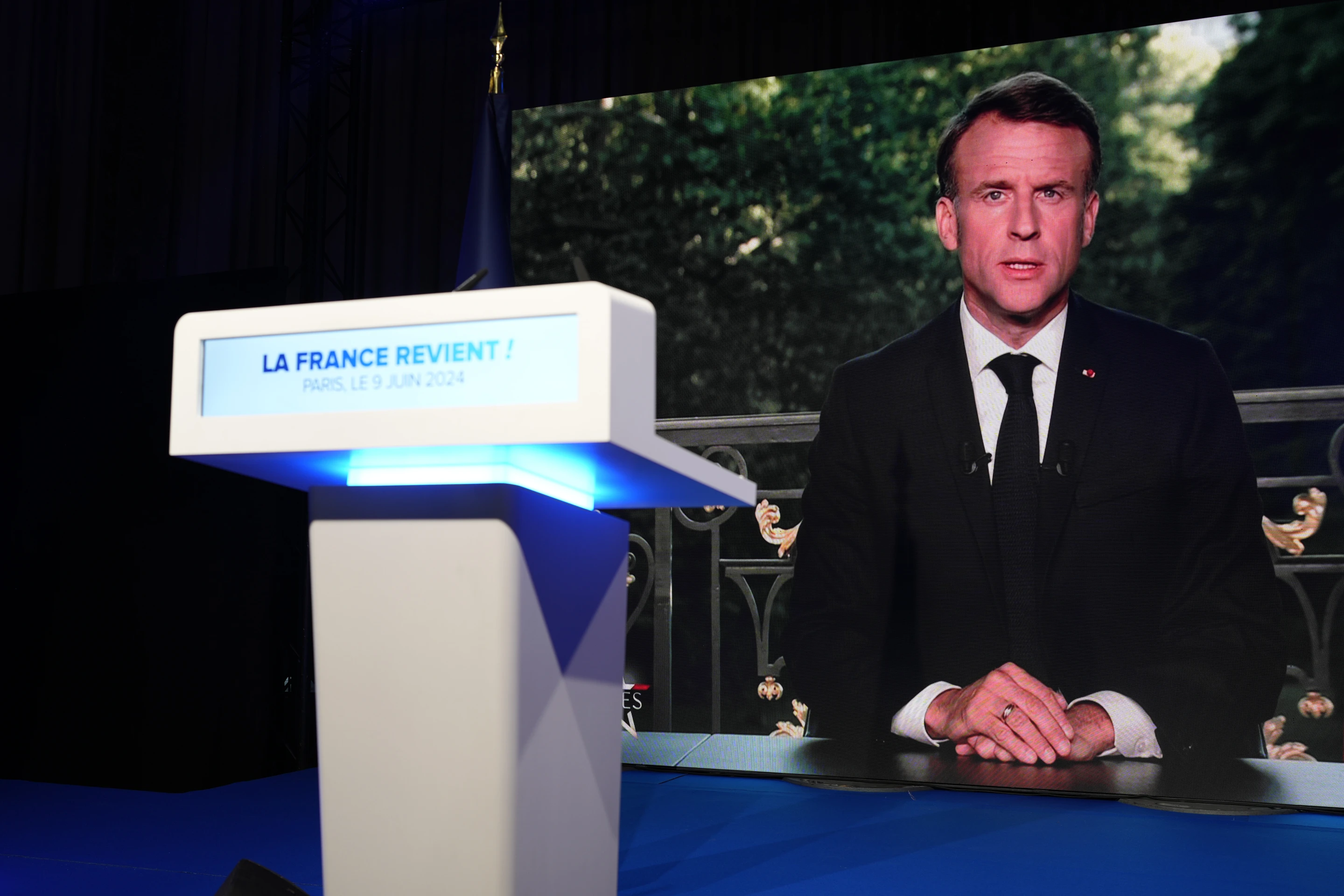
French President Emmanuel Macron appears on television screen at the French far-right National Rally party election night headquarters, Sunday, June 9, 2024 in Paris. (AP Photo/Lewis Joly)
The legislative gridlock is particularly concerning in areas requiring swift and unified action. The inability to agree on common approaches can hinder the EU's capability to effectively address pressing challenges, potentially delaying important measures needed for economic recovery and environmental sustainability. Furthermore, the changing dynamics have also influenced the process of selecting key EU positions, with the traditional 'Spitzenkandidat' system being sidelined, reflecting a broader debate about the future direction of the EU and its governance structure.
Implications For India
The 2024 EU Election and its outcomes hold significant implications for India, particularly in trade relations and political and diplomatic impacts. These implications are intricately linked to India's broader foreign policy strategies and its positioning on the global stage, especially concerning its relationships with major powers like Russia and the United States.
Trade Relations
India's trade dynamics have been significantly influenced by its relationship with Russia, especially in the context of the ongoing geopolitical tensions surrounding the Russia-Ukraine conflict. Despite global pressures, India has maintained a neutral stance, choosing not to join Western sanctions against Russia. This decision underscores India's focus on safeguarding its national interests, primarily its energy security and economic ties with Russia. The situation presents a complex scenario for India-EU trade relations. While the EU has expressed concerns over India's continued engagement with Russia, economic ties between India and the EU have also seen substantial growth during Prime Minister Narendra Modi's tenure. This growth, however, is overshadowed by the contentious issue of the conflict in Ukraine, which remains a sore point in EU-India relations.
Political And Diplomatic Impact
Politically and diplomatically, India finds itself in a delicate balancing act. Its neutral stance in the Russia-Ukraine conflict has attracted criticism from Western allies, including the United States, which has urged India to adopt a more decisive stance against Russia. However, India defends its position by highlighting its historical and strategic ties with Russia. This stance is indicative of India's broader foreign policy approach, which aims to balance its relationships with global powers amidst shifting international dynamics.
Strategic partnerships with Western nations and the United States, exemplified by collaborations like the Quad, play a pivotal role in India's foreign policy. These partnerships are part of India's strategy to manage its regional challenges and enhance its geopolitical leverage.
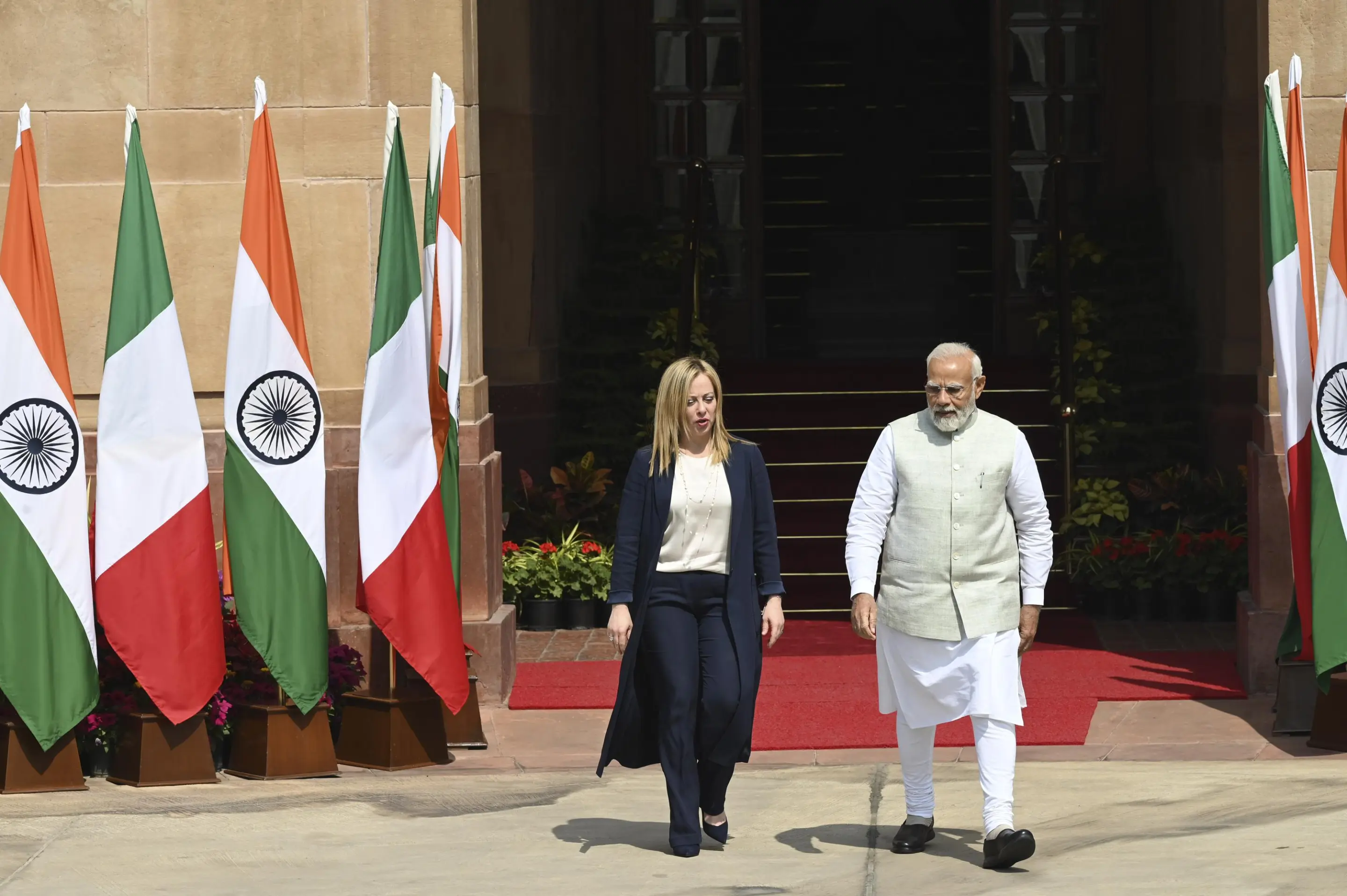
Prime Minister Narendra Modi's Visit to Italy
Prime Minister Narendra Modi's visit to Italy, scheduled from June 13 to 15, marks a significant diplomatic engagement following his re-election. Invited by Italian Prime Minister Giorgia Meloni, Modi's participation at the Group of Seven (G7) Summit in Borgo Egnazia, Apulia, underscores the growing global relevance of India. This visit is particularly notable as it represents Modi's first international trip after securing a third term in office.
Agenda And Key Meetings
During the G7 Summit, Modi is set to engage in discussions crucial to shaping international economic and political strategies. The Summit, hosted by Italy, which holds the G7 Presidency through 2024, will focus on a range of topics including global economic stability, climate change, and international security. Modi's agenda is expected to reflect India's strategic interests and its role as a major global player. Notably, the Summit will also address issues of development and cooperation with Africa.
A key aspect of Modi's visit will be his bilateral meetings with other G7 leaders, including the President of the United States. These interactions are poised to further India's interests in enhancing trade relations and bolstering political alliances. The discussions are also likely to cover the outcomes of the G20 Summit held in India, reflecting Modi's intent to align G20 priorities with those of the G7 nations.
Outcomes Of The Visit
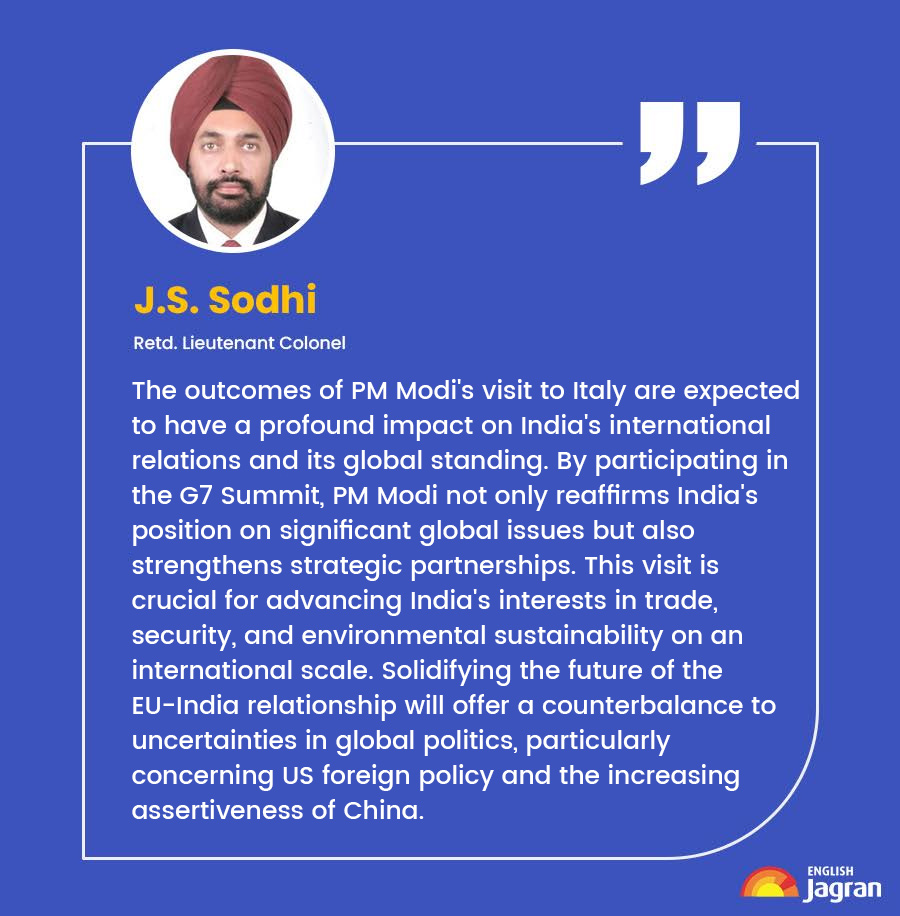
According to Retired Lieutenant Colonel J S Sodhi, the outcomes of PM Modi's visit are expected to have a profound impact on India's international relations and its global standing. By participating in the G7 Summit, PM Modi not only reaffirms India's position on significant global issues but also strengthens strategic partnerships. This visit is crucial for advancing India's interests in trade, security, and environmental sustainability on an international scale.
Furthermore, the strengthening of the strategic partnership between India and Italy, marked by their bilateral relations being elevated to a strategic level during Meloni's visit to New Delhi in 2023, sets the stage for enhanced cooperation. This visit provides an opportunity to solidify the commitments made and discuss future collaborations, particularly in the realms of technology, defence, and economic development.
1701179779670-1718112223021.jpg)
India-EU Free Trade Agreement (FTA)
Negotiations Revived Amid Global Uncertainties:The negotiations for the India-EU Free Trade Agreement (FTA) were relaunched on June 17, 2022, signalling a renewed commitment from both parties to enhance their trade and investment relationship. This revival marks the resumption of discussions after a period of stalled talks, and it includes separate negotiations for an Investment Protection Agreement and an Agreement on Geographical Indications (GIs). The primary goals are to remove trade barriers, open up services and public procurement markets, protect geographical indications, commit to trade and sustainable development, and enforce rules through an effective dispute settlement mechanism.
This renewed engagement comes at a time when global economic interdependence is increasing, and there is a strategic need to diversify economic partnerships due to geopolitical tensions and the ongoing impacts of global warming. The European Commission has expressed its intention to explore options for expanding trade and investment with India, underscoring the potential for a comprehensive agreement that could significantly impact the economies of both regions.
Challenges And Opportunities In The FTA Negotiations
According to Lt Col Sodhi (Retd), despite the optimistic outlook, the path to a successful India-EU FTA is not without challenges. Differing economic policies and priorities between the two parties pose significant hurdles. For instance, the EU aims to secure reductions in import duties across all goods sectors, including agriculture and dairy. However, India relies on import duties to protect domestic production and support the livelihoods of millions of farmers and milk producers. The EU's average tariff on agricultural products stands at 11.7 per cent, while India's is significantly higher at 39.2 per cent, indicating a substantial disparity that could complicate negotiations.
Additionally, the recognition of India as a data-secure country under EU legislation remains a critical issue. Despite amendments to its Information Technology Act and the introduction of new Information Technology Rules that align with international standards, India is not currently recognized as data-secure by the EU. This status affects the flow of sensitive data and increases operating costs for Indian firms seeking market access in the EU.
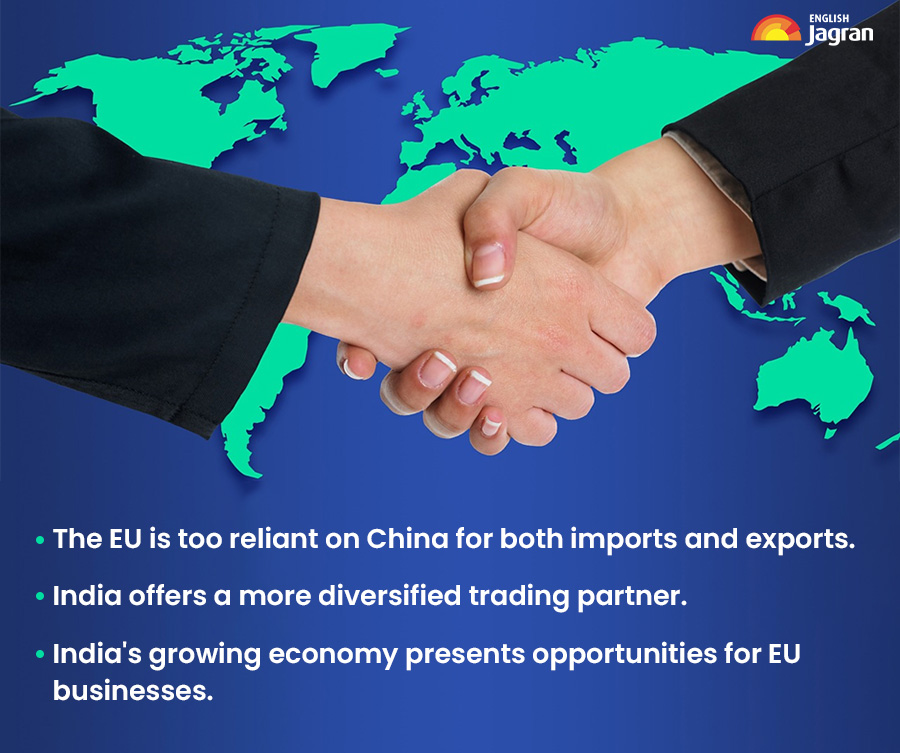
However, the negotiations also present significant opportunities. For the EU, the FTA would be its first with an emerging economy, supporting its aim to integrate partner countries into the global economy and strengthen its role in global trade governance. For India, the agreement would boost Prime Minister Narendra Modi's "Make in India" campaign, establish India as a regional leader and global manufacturing centre, and leverage its growing domestic economy to support its rise as a global economic power. Successfully negotiating the India-EU FTA could thus become a pivotal element in the strategic partnership between India and the European Union, enhancing trade and investment flows and contributing to economic growth and stability in both regions.
Potential Changes In EU Policies
The European Union's approach to foreign policy and trade is anticipated to undergo significant transformations, especially in response to the increasing influence of right-leaning parties within the European Parliament. This shift could impact ongoing support for initiatives like EU enlargement and climate change policies, potentially altering the EU's progressive agenda. Additionally, the mainstreaming of far-right ideas could lead to more stringent policies on immigration and a more cautious approach to economic integration.
For the EU-India relationship, these changes may necessitate a recalibration of the strategic partnership, particularly in addressing mutual concerns over China's economic and military rise. The EU's balancing act between a firm stance on Russia and a moderated approach to China contrasts with India's perspective, which views China as a more direct threat compared to Russia. This divergence requires a nuanced dialogue to harmonise their strategies and foster cooperation to effectively address shared geopolitical challenges.
Future Prospects
The evolving dynamics between the European Union and India present both challenges and opportunities, particularly in the context of the shifting geopolitical landscape influenced by external powers like China and Russia. As both regions navigate their respective political transitions, the potential for a strengthened partnership driven by common interests in trade, technology, and security becomes increasingly apparent.
In the realm of trade and investment, there is a pressing need to address trade imbalances and dependency on strategic imports from China. By promoting bilateral investment and accelerating the relocation of supply chains from China, both regions can achieve greater economic security and reduce dependency on a single source. Furthermore, cooperation in emerging technologies and defence could see significant advancements. The EU's plans to develop next-generation defence and security deals, similar to those initiated with Japan and South Korea, could extend to India, enhancing their defence capabilities and strategic alignment. Solidifying the future of the EU-India relationship will offer a counterbalance to uncertainties in global politics, particularly concerning US foreign policy and the increasing assertiveness of China.