
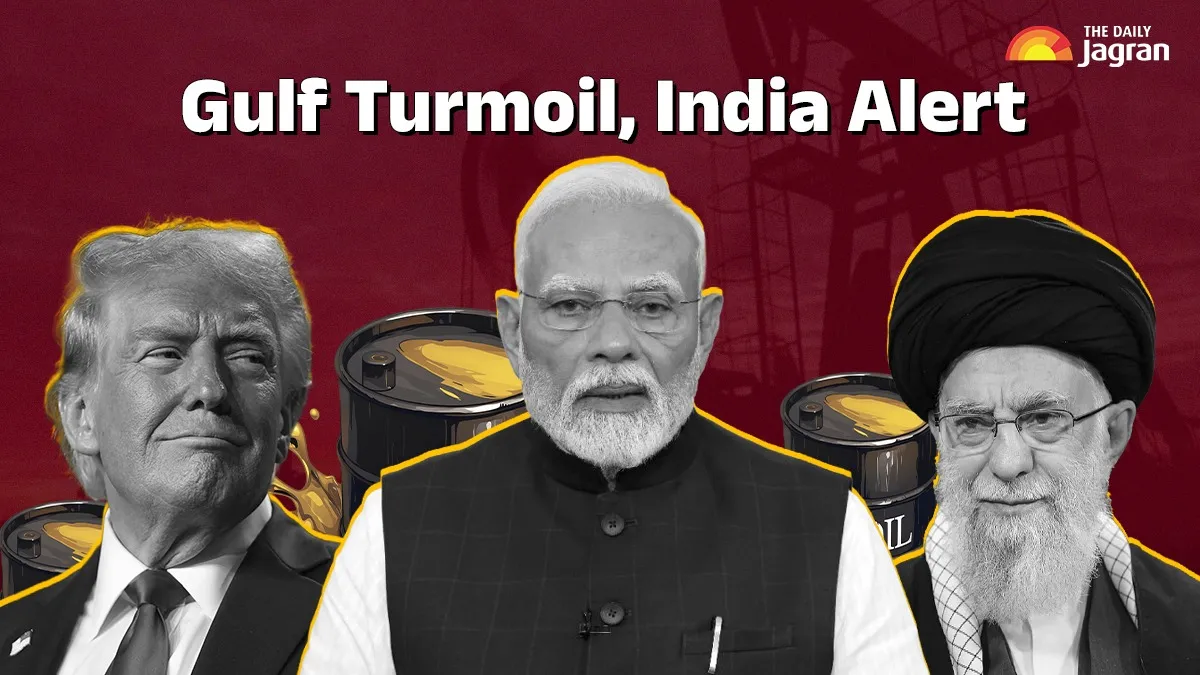
- Iran-US nuclear talks resume in Oman, impacting global oil.
- India's oil strategy vulnerable to Gulf tensions, Strait of Hormuz.
- Diversification, SPR, diplomacy crucial for India's energy security.
Iran and the United States stood poised on Friday to hold negotiations in Oman at least over Tehran's nuclear programme after a chaotic week that initially saw plans for regional countries to take part in talks in Turkey.
The two countries have returned to Oman, a sultanate on the eastern edge of the Arabian Peninsula, months after rounds of meetings turned to ash following Israel's launch of a 12-day war against Iran back in June.
India's crude oil import
Rising tensions in the Gulf, driven by deepening rifts between Iran and the United States and mounting fears of a wider conflict, have direct and immediate implications for India’s oil purchase strategy and domestic fuel prices. As the world's third-largest crude oil importer, India is highly vulnerable to instability in West Asia, from where it sources nearly two-thirds of its oil needs.

Why India should be concerned
According to official data released by India’s Ministry of Commerce and Industry, the country imported a crude oil shipment worth USD 111 million from Iran in June 2025. This marks India’s first crude oil purchase from Iran since 2018, when imports were halted following the US withdrawal from the Joint Comprehensive Plan of Action (JCPOA), known as the Iran nuclear deal, and Washington’s subsequent pressure on New Delhi.
ALSO READ: Big Oil Question After India-US Trade Deal: Does India Stop Buying Russian Crude From Today?
At the heart of India's concern lies the Strait of Hormuz, a narrow but critical maritime chokepoint through which nearly one-fifth of global oil supply passes. Any escalation involving Iran risks disrupting tanker movement, increasing insurance premiums and freight costs. Even without an actual supply cut, the threat of disruption is enough to push global oil prices, a phenomenon India has faced repeatedly during past Gulf crises.
Recommended For You
Higher import bill
For India, higher crude prices translate into a ballooning import bill, pressure on the rupee and wider macroeconomic stress. A sustained rise in oil prices complicates the government’s fiscal math, especially when it is attempting to balance inflation control with welfare spending. Fuel prices also have a cascading effect on food inflation and transportation costs, making oil a politically sensitive commodity.
To manage these risks, India has gradually diversified its oil sourcing strategy. Over the past few years, refiners have increased purchases from Russia, the United States, Latin America and Africa to reduce over-dependence on the Gulf.
Russian oil at stake
Discounted Russian crude has played a major role in cushioning India against global price shocks. But amid US warning, New Delhi said it is diversivying its oil needs; however, diversification has limits; Gulf oil remains geographically closer, cheaper to transport and ideally suited to Indian refineries.
ALSO READ: India-US Trade Deal: Will Buying Oil From US Lower Petrol, Diesel Prices For Indian Consumers?
Another key buffer is India’s Strategic Petroleum Reserves (SPR), which allow the government to release crude into the market during extreme volatility. While useful as a short-term shock absorber, these reserves cannot substitute for long-term supply stability.
Gulf tensions also influence India’s commercial contracting strategy. Indian refiners may shift from long-term contracts to spot purchases, or renegotiate volumes depending on risk perception. During periods of instability, refiners also prefer flexible sourcing and increased hedging to protect against price spikes.
The Daily Jagran Analysis
Diplomatically, New Delhi walks a careful tightrope, maintaining strong ties with the US while keeping communication channels open with Iran and Gulf Arab states. For India, de-escalation in the region is not just a geopolitical preference but an economic necessity.
As Iran-US tensions simmer, India’s oil strategy will continue to prioritise diversification, price sensitivity and supply security, while hoping diplomacy prevails to keep the Gulf’s energy arteries open.
(With inputs from agency)