
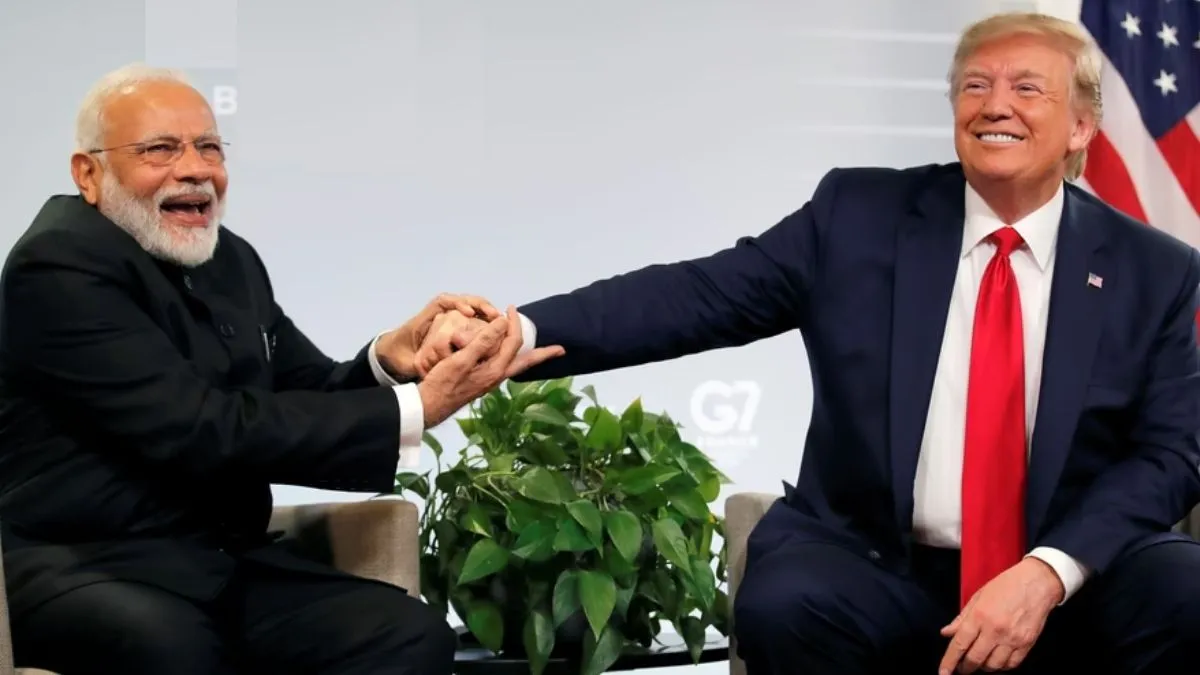
India and the United States have unveiled an interim trade framework that is set to lower prices for several imported goods in India while restoring competitiveness for Indian exporters in the US market. The agreement, announced through a joint statement, comes after months of strained trade ties and marks a significant reset in bilateral economic relations.
“The US and India are pleased to announce that they have reached a framework for an Interim Agreement regarding reciprocal and mutually beneficial trade,” the statement said. Under the framework, the United States will slash tariffs on Indian goods from 50 per cent to 18 per cent, reversing punitive duties imposed after talks stalled last year.
What Could Get Cheaper In India
A key outcome of the deal is a reduction or elimination of Indian import duties on a range of US products, which is expected to lower prices domestically. Items likely to become cheaper include:
Recommended For You
Dried distillers’ grains used in animal feed and ethanol production
Red sorghum
Tree nuts
Fresh and processed fruits from the US
Soybean oil
Wine and spirits
These reductions are expected to benefit Indian food processors, dairy and animal husbandry sectors, hospitality businesses, and the aviation industry by reducing input and procurement costs. Opening up animal feed imports is particularly significant, as such feed is abundant in the US but relatively scarce in India, offering relief to farmers and livestock owners.
Relief For Indian exporters In US
In return for these concessions, the US has agreed to cut tariffs on Indian goods to 18 per cent from levels that had climbed close to 50 per cent. This is expected to revive demand for Indian exports in the world’s largest consumer market.
Sectors likely to benefit include textiles and apparel, leather and footwear, plastic and rubber products, organic chemicals, home décor and handicrafts, machinery, gems and diamonds, and certain generic pharmaceuticals, some of which will face zero tariffs. Aircraft parts are also expected to benefit from exemptions under Section 232.
Commerce and Industry Minister Piyush Goyal said the agreement would open up a massive market for Indian exporters, especially MSMEs, farmers, and fishermen, and could generate lakhs of new jobs, particularly for women and youth.
What Remains Protected
Despite the liberalisation, India has shielded sensitive sectors. No tariff cuts will apply to rice, wheat, maize, soya, milk and dairy products, poultry and meat, tobacco, ethanol, and certain vegetables.
India has also signalled plans to purchase USD 500 billion worth of US goods over five years, including energy, aircraft, technology products, and precious metals. The interim pact is expected to be finalised by mid-March, potentially reshaping prices, supply chains, and employment on both sides.