
- By Deeksha Gour
- Tue, 07 Jan 2025 12:25 AM (IST)
- Source:JND
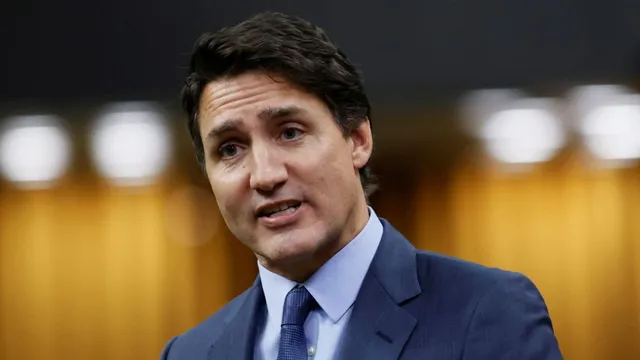
Canadian Prime Minister Justin Trudeau announced his resignation on Monday amid rising dissatisfaction within his own party and growing public unpopularity. This announcement comes after a wave of pressure from Liberal MPs, with a majority of them calling for him to step down. Polls suggest that Trudeau’s Liberal Party faces a potential loss in the upcoming general elections, predicted to be overtaken by Pierre Poilievre’s Conservatives.
Trudeau's resignation was officially declared in a news conference at Rideau Cottage. At the time, 131 out of 153 Liberal MPs had expressed their lack of support for the Prime Minister. He is expected to remain in office as interim Prime Minister until a new leader is chosen.
ALSO READ: Justin Trudeau Announces Resignation As Canadian Prime Minister: 'Can't Be Best Option...'
Potential Successors To Replace Trudeau
Several prominent figures within the Liberal Party are seen as potential candidates to take over Trudeau’s leadership. Among them is Chrystia Freeland, Canada’s Deputy Prime Minister and Finance Minister. Known for her international experience and economic expertise, Freeland’s credentials make her one of the front-runners. However, her long association with Trudeau’s government may become a point of contention for some members within the party.
Another prominent Liberal figure is Dominic LeBlanc, who has served as a senior Cabinet minister and has long been a close confidante of Trudeau. LeBlanc is currently acting as the Finance Minister following Freeland’s departure. His extensive political experience makes him a strong candidate, but his popularity may not match that of some of the other contenders.
Melanie Joly, the Foreign Minister, is also viewed as a potential successor. Although she has faced criticism for her handling of diplomatic issues with countries like India, China and Russia, she remains a strong figure within the party. Her association with Trudeau’s policies could, however, hinder her ability to attract a broad base of voters.
Francois-Philippe Champagne, a former businessman and trade specialist, is another name being considered for leadership. He is well-regarded within the Liberal Party, especially in Quebec, where many members support his candidacy. However, his ability to appeal to centrist voters may be limited, presenting a challenge in the wider election.
Indian-Origin MPs As Candidates
Two Indian-origin MPs have also been included in race as potential candidates for Trudeau’s position. Anita Anand, former Defence Minister and the current Minister of Transport and Internal Trade, has been seen as a possible successor. Anand, who played a key role in securing medical supplies during the COVID-19 pandemic, holds significant political experience and is known for her strong leadership.
Another Indian-origin politician in the mix is George Chahal, an Alberta Liberal MP. Chahal, a community leader and advocate, has served as a Calgary City Councillor and is currently the Chair of the Standing Committee on Natural Resources. His criticism of Trudeau and calls for a leadership change have put him in the spotlight. However, if he becomes the interim leader, he would be ruled out from running for Prime Minister, as tradition dictates that the interim leader cannot contest in leadership races.
What’s Next For The Liberal Party?
As Trudeau’s resignation shakes the Liberal Party, the next steps remain uncertain. Trudeau’s departure follows growing discontent with his leadership, especially from within the Atlantic, Ontario and Quebec caucuses, where many members no longer support him. His resignation has sparked a wave of speculation about the party’s future and leadership direction.
The party now faces a difficult decision. It could either appoint an interim leader from within its ranks or opt for a leadership contest. If the party chooses to hold a contest, it would require the Prime Minister to request a prorogation of Parliament from Governor-General Mary Simon. This process, however, may not be guaranteed, according to constitutional experts.
Given the urgency of the situation and the potential timing of upcoming elections, the Liberal Party is likely to opt for appointing an interim leader to manage affairs until a permanent leader is elected.