

- By Ajeet Kumar
- Fri, 23 Jan 2026 05:41 PM (IST)
- Source:JND
- China's economy slows; internal controls tighten amid global demand.
- Pakistan faces rising militancy, economic crisis, and border issues.
- Afghanistan's security fragile; foreign interests targeted by extremists.
India's immediate neighbourhood continues to witness economic stress, political churn, and security volatility, with developments in China, Pakistan, Afghanistan and Nepal carrying direct implications for New Delhi's strategic and diplomatic calculations. From China’s slowing economy and tightening internal controls to Pakistan’s worsening militancy, Afghanistan’s fragile security environment and Nepal’s delicate balancing act, this week's regional developments underscore why South Asia and its extended neighbourhood remain a key focus for India’s foreign and security policy.
China
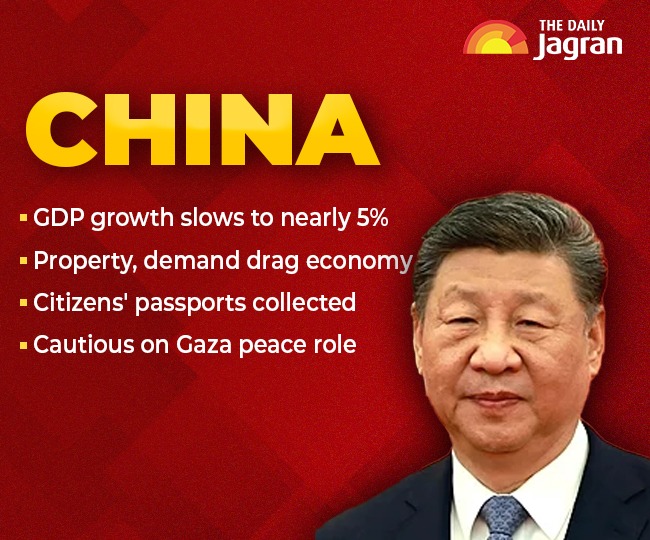
- China reported around 5 percent GDP growth in 2025, marking one of its slowest economic expansions in decades amid weak domestic consumption, property sector stress, and subdued global demand.
- Several provinces have begun collecting passports from ordinary citizens, a move seen as tightening exit controls and reflecting Beijing’s growing emphasis on internal security and population management.
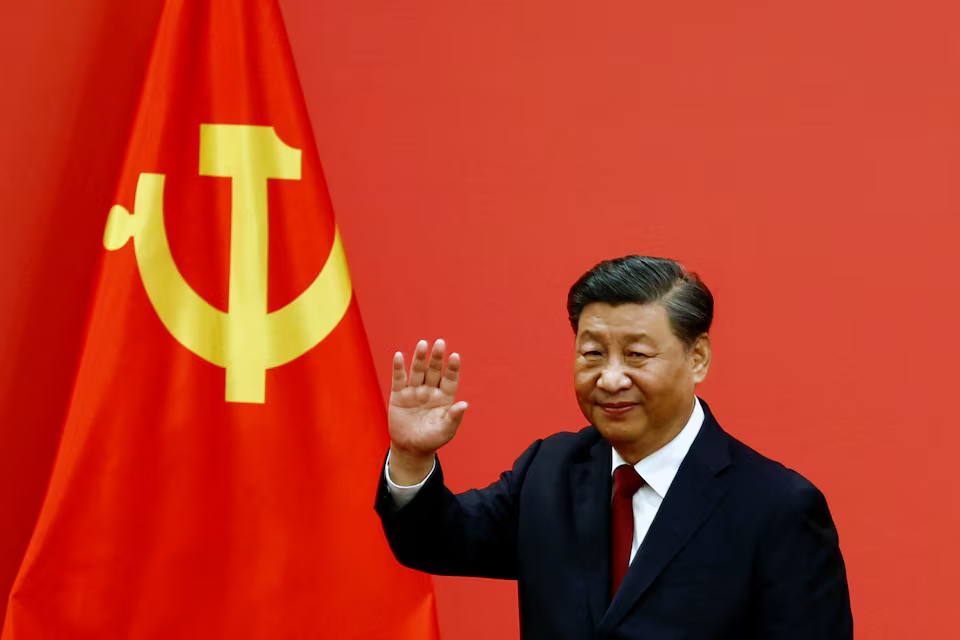
- Beijing confirmed it has been invited to join former US President Donald Trump’s proposed Gaza “Board of Peace”, though Chinese officials have so far remained non-committal, signalling cautious diplomacy.
- Analysts say China continues to balance economic slowdown at home with assertive foreign policy posturing abroad, especially in West Asia and the Indo-Pacific.
Pakistan
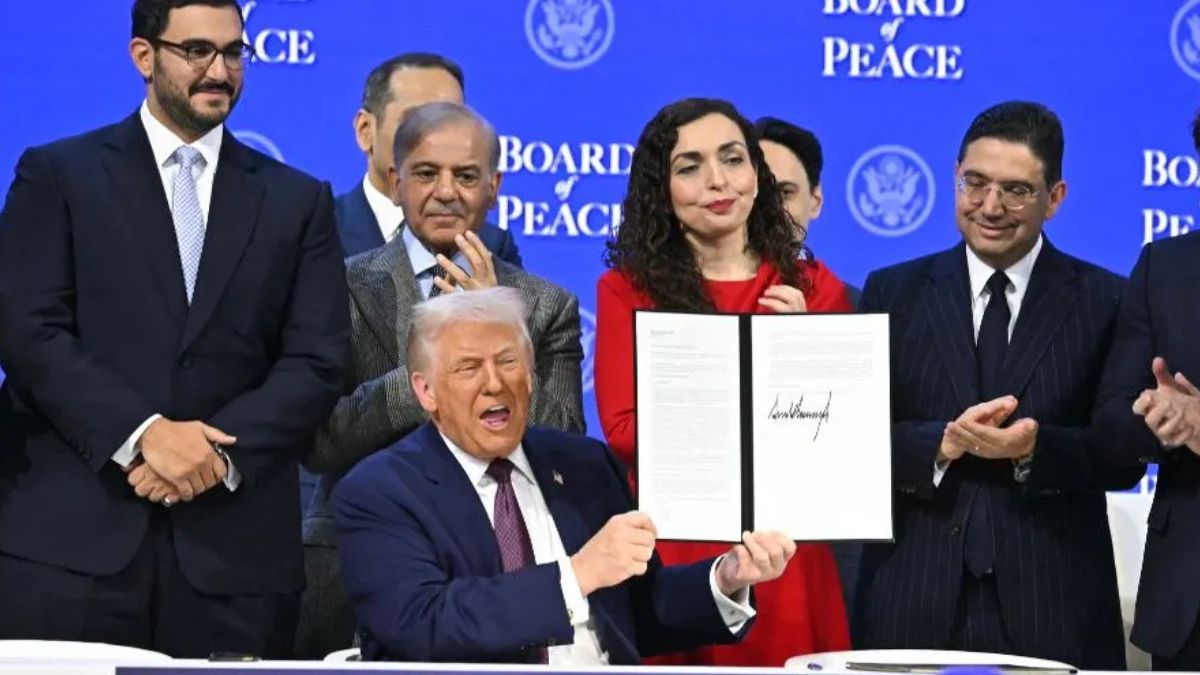
- Pakistan Prime Minister Shehbaz Sharif joined a group of world leaders in signing the charter for the Board of Peace for Gaza, headed by US President Donald Trump, despite criticism from the opposition parties.
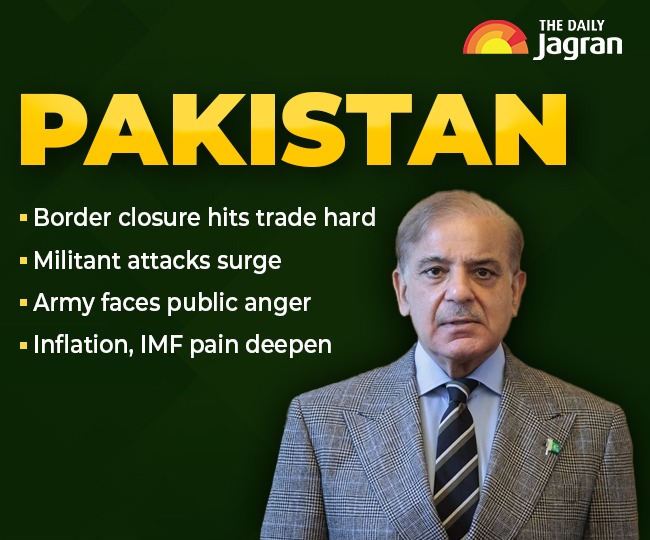
- The Pakistan–Afghanistan border closure, now stretching for months, has caused billions of dollars in losses, severely impacting traders and transporters in Khyber Pakhtunkhwa.
- Pakistan is witnessing a sharp rise in militant attacks, particularly in Khyber Pakhtunkhwa and Balochistan, intensifying criticism of the country’s security strategy.
- Public anger is growing over the military’s inability to curb violence, even as the army leadership continues to dominate national politics.
- The economic crisis persists, with inflation, unemployment, and IMF-linked austerity measures deepening public frustration.
Afghanistan
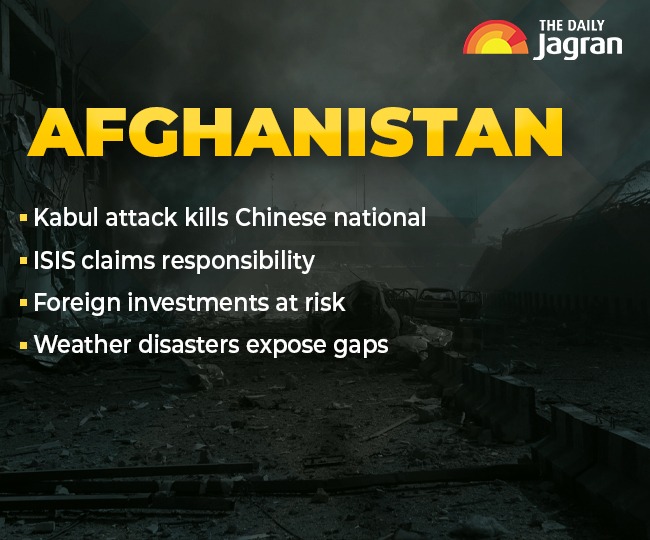
- A deadly suicide attack on a Chinese restaurant in Kabul killed at least seven people, including a Chinese national, underlining growing security threats to foreign interests.
- Islamic State claimed responsibility for the attack, raising concerns about the Taliban’s ability to contain extremist groups.
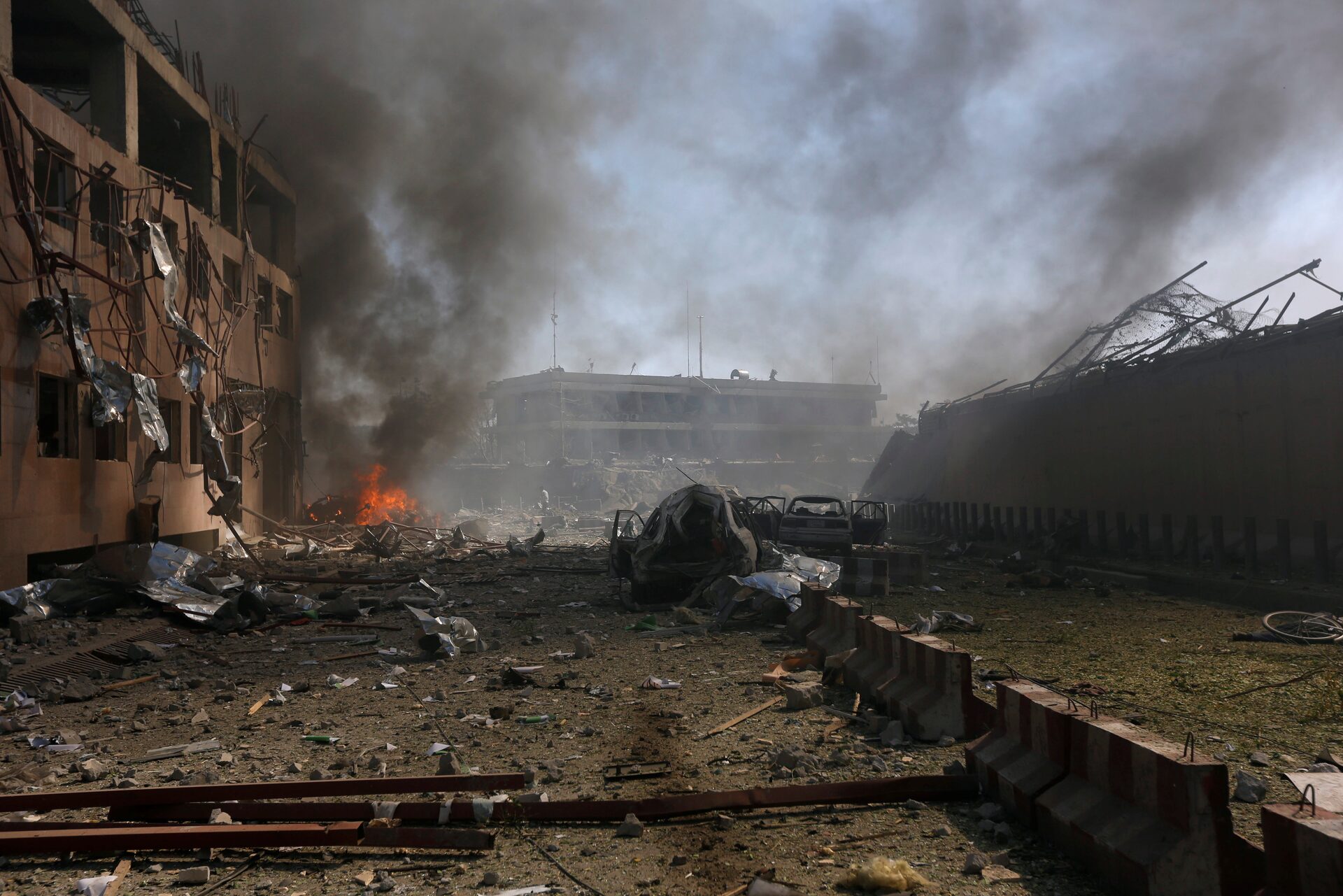
(CREDIT: REUTERS/FILE)
- The incident has heightened fears for Chinese investments and workers, critical to Afghanistan’s fragile economy.
- Separately, severe weather events, including storms and landslides, killed several children, exposing the country’s weak disaster preparedness and infrastructure.
Nepal
- Nepal is closely monitoring regional instability, especially Pakistan–Afghanistan tensions, due to potential disruptions to South Asian trade and connectivity.
- Economic focus remains on curbing inflation, boosting tourism, and managing foreign exchange reserves.
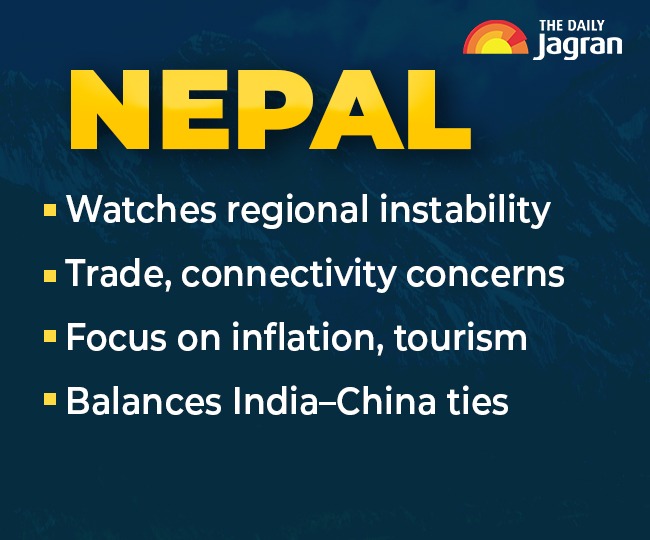
Kathmandu continues diplomatic balancing between India and China, while also engaging regional partners to shield its economy from external shocks.
Political discussions this week centred on governance reforms and coalition stability.
(NOTE: This article is part of the series 'Neighbourhood Watch'. To read more articles in the series, click here)