
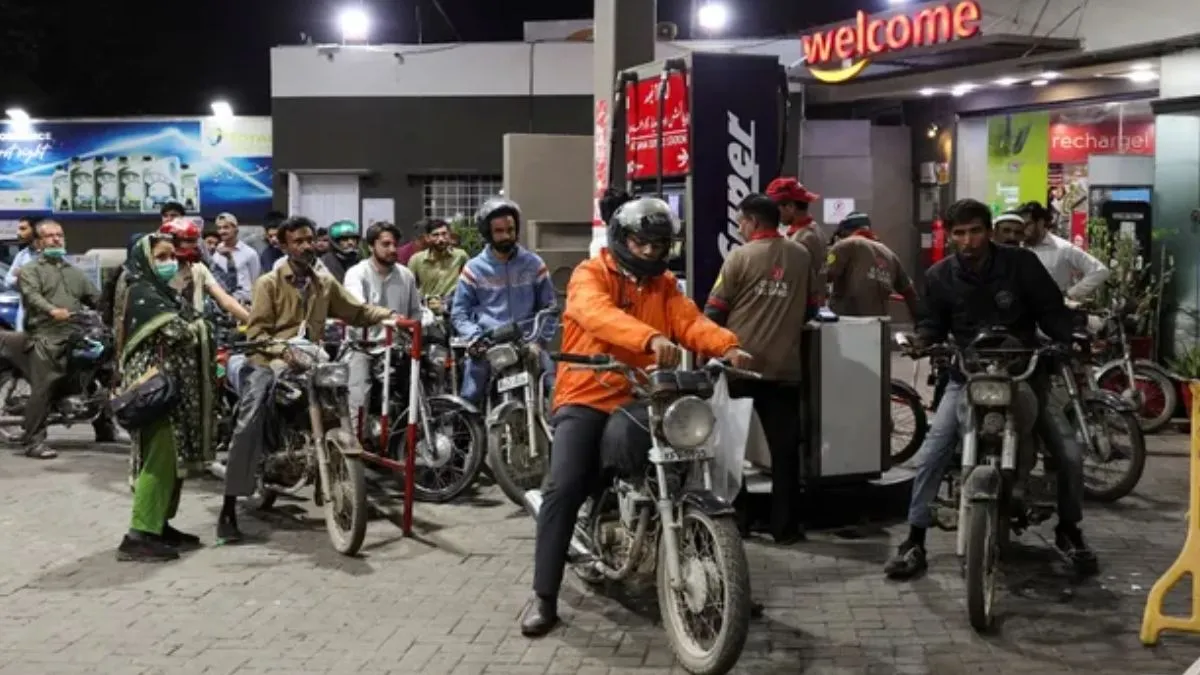
Pakistan Oil Crisis: The war between Iran and the US-Israel, which entered its 13th day on March 12, has begun affecting the economy of the South Asian nations. The tension has affected the movement of crude ships through the Strait of Hormuz, leading to a significant surge in prices of petrol and diesel in several countries, including India, Pakistan, and Bangladesh. However, Pakistan has been affected the most, as the Shehbaz Sharif government has announced several imposing measures, including declaring a "fuel emergency" in the country.
In a recent order, the Pakistani government increased the prices of petrol and diesel by a whopping Rs 55 per litre, leading to inconveniences for the citizens. While the price of petrol is Rs 321 per litre, diesel is priced at Rs 335 per litre, with chances of further increase in the upcoming days. As per the experts, a major chunk of Pakistan's oil comes from Saudi Arabia and the UAE via the Strait of Hormuz.
The movement of crude ships has been affected due to the war, leading to a shortage, which further has led to a significant surge in the prices. Earlier on Wednesday, long queues were witnessed outside the petrol pumps in the major cities of Pakistan, leading to chaos.
Recommended For You
Pak government announces strict measures:
- Restrictions on government vehicles: 60 per cent of the country's government vehicles will be off the roads for the next two months. Apart from this, fuel allowances for government officials have been reduced by 50 per cent.
- Salary cuts: All ministers will not take salaries for two months to show solidarity during the crisis, while MPs' salaries have been cut by 25 per cent.
- Changes in working culture: Government offices will now be open only four days a week. Employees will work from home the rest of the time to reduce electricity and transportation costs.