
- By Ajeet Kumar
- Wed, 25 Mar 2026 08:23 AM (IST)
- Source:JND
- Trump administration offered Iran a 15-point ceasefire plan.
- Pakistan mediated the proposal for renewed US-Iran talks.
- Iran's demands include ending sanctions and US base closures.
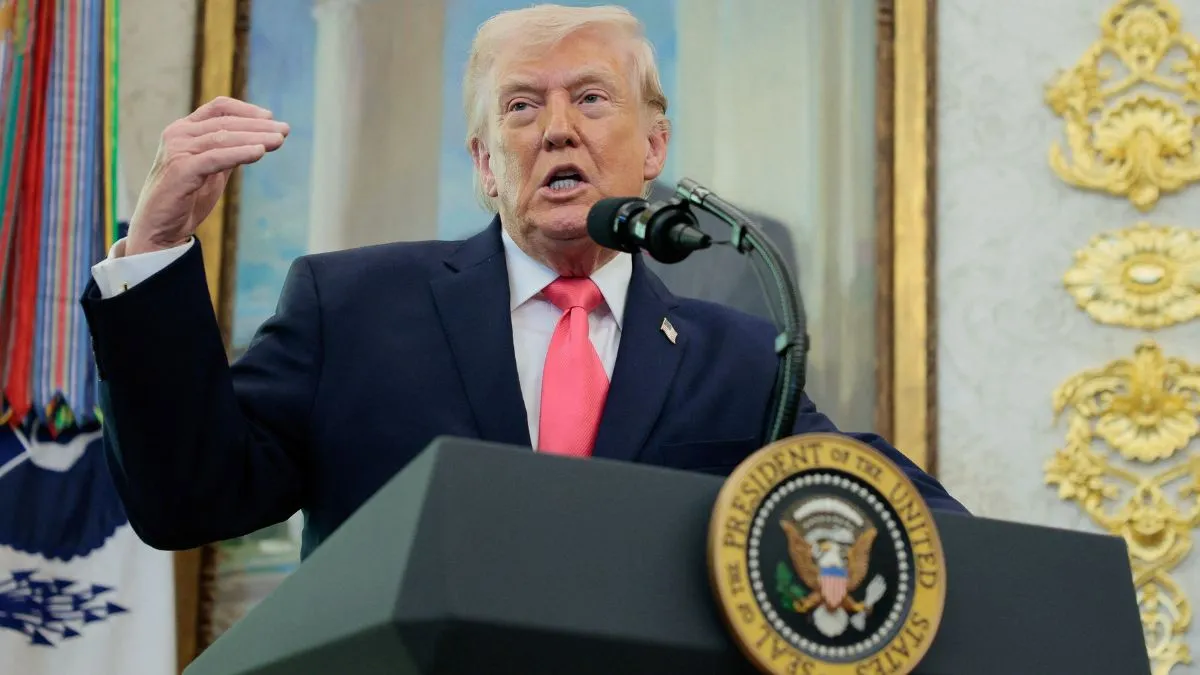
The Trump administration has offered a 15-point ceasefire plan to Iran, news agency the Associated Press reported, citing a person who was not authorised to speak publicly about it. The ceasefire plan was submitted to Iran by intermediaries from Pakistan, who have offered to host renewed negotiations between Washington and Tehran. Notably, US President Donald Trump is facing immense pressure from America's top allies to end the Iran war as their economy has crashed amid closure of Strait of Hormuz-- a critical juncture crucial for the flow of energy to the world. However, an official word from either Trump or from his administration is still awaited, but experts believe it could be a first step towards ending the four-week war.
What are Iran demands
Some international media reports claimed Iran has demanded closure of US bases in the Gulf, end of all sanctions, end of Israeli campaign against Hezbollah and a framework that would allow it to collect fees from ships transiting through the Strait of Hormuz, as part of a response to Trump's proposal.
US' muscle flexing
The proposal comes as the US military is preparing to call up at least 1,000 more troops from the 82nd Airborne Division to supplement some 50,000 troops already in the region. The New York Times reported earlier Tuesday that the 15-point plan had been delivered to Iranian officials.
The Pentagon is also in the process of deploying a pair of Marine Expeditionary Units that will add about 5,000 Marines and thousands of sailors to the region. Israeli officials, who have been advocating for Trump to continue the war against Iran, were taken by surprise by the US administration's submission of a ceasefire plan, the person said.
ALSO READ: 'It Wasn’t Nuclear': Trump Claims Iran Gave US A 'Big Present', Hints At Oil Trade
But with the US taking steps to send additional soldiers and Marines to the Mideast, the move is being framed as Trump manoeuvring to give himself "max flexibility" on what he will do next, the person added. The White House is yet to respond to the report.
Iran wants to negotiate with Vance, not Kushner or Witkoff: Report
Iranian representatives on Wednesday told the Trump administration that they do not want to re-enter negotiations with US special envoy Steve Witkoff and Trump's son-in-law Jared Kushner and would prefer to engage with US Vice President JD Vance, CNN reported, citing sources.
The report stated that Iran believes discussions involving Witkoff and Kushner wouldn't be productive, given the "deficit of trust following the breakdown of negotiations prior to Israel and the US launching military action".
ALSO READ: Who Can Pass Strait Of Hormuz? Iran Declares Safe Passage Of Vessels With THESE Conditions
Vance -- in contrast to Witkoff, Kushner and even Secretary of State Marco Rubio -- is viewed as more sympathetic to wanting to end the war, the CNN cited sources with a view that US Vice President is intent on wrapping up the conflict.
Earlier on Tuesday, Trump said all the key members of his diplomatic team were involved in negotiations.
On those who are involved in the Iran negotiations from the US administration, Trump said, "JD (Vance) is involved. Marco is involved. Jared Kushner is involved. Steve Witkoff is involved, and I am involved."US President Donald Trump said that the US has won the war, adding that Iran's navy and air force have been completely decimated.
White House press secretary Karoline Leavitt told CNN that it's Trump's call who negotiates for the US.
"President Trump and only President Trump determines who negotiates on behalf of the United States. As the President stated today, Vice President Vance, Secretary Rubio, Special Envoy Witkoff, and Mr. Kushner will all be involved," Leavitt said.
US President Donald Trump has triggered intense diplomatic speculation regarding a potential mediating role for Islamabad in the ongoing Washington-Tehran standoff, after he shared an official statement from Pakistan Prime Minister Shehbaz Sharif.
The move follows a post on X by Prime Minister Sharif, in which he expressed Islamabad's eagerness to facilitate a diplomatic resolution to the regional crisis. Sharif stated that Pakistan was "ready and honoured" to moderate "meaningful and conclusive talks" between the United States and Iran, provided there is a mutual agreement from both parties.
(With inputs from agency)