
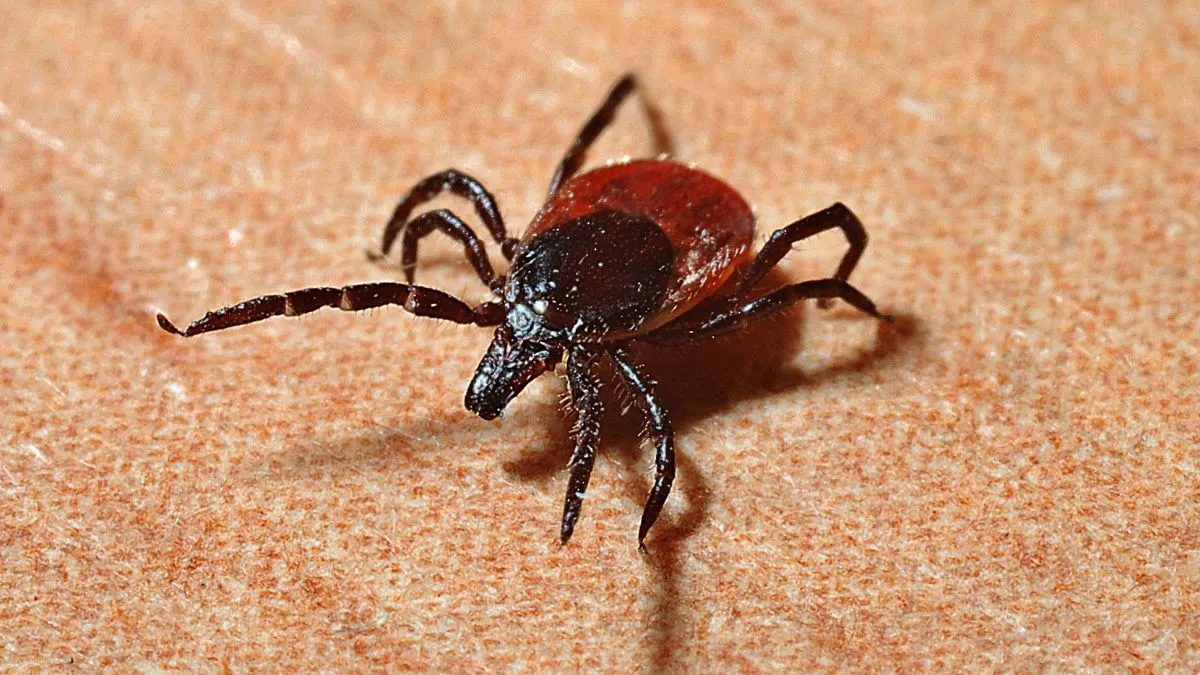
A new virus, named Wetland Virus (WELV), has been discovered in China and can spread to humans through tick bites. The virus can potentially lead the infected individuals to severe illness, including neurological symptoms. The virus was first identified in a 61-year-old man from Jinzhou city, who developed fever, headaches and vomiting after being bitten by a tick in a wetland area in Inner Mongolia in June 2019.
According to reports, initial treatment with antibiotics proved ineffective, as the infection was viral rather than bacterial. Subsequent analysis of his blood revealed a previously unknown orthonairovirus, a family of viruses that includes those causing diseases like Crimean-Congo hemorrhagic fever.
According to a report published in ‘The New England Journal of Medicine’, the Wetland Virus has since been linked to 17 patients in China. Common symptoms include fever, dizziness, headaches, joint pain and fatigue, with one patient also exhibiting neurological signs, such as going into a coma. All affected patients have recovered after receiving medical treatment, though researchers caution that the virus can be extremely dangerous in some cases.
Recommended For You
Investigations also identified WELV in ticks, animals and humans in northern China. Researchers collected over 14,000 ticks from various species and locations, discovering that about 2 per cent of the samples tested positive for the virus. The Haemaphysalis concinna tick species, in particular, showed the highest rate of infection. Additionally, traces of WELV were found in animals such as sheep, horses, pigs and rodents in the affected regions.
ALSO READ: Never Drink Water After These Foods To Prevent Indigestion And Other Health Problems
While WELV is a newly discovered virus, it poses a health risk due to its ability to infect both humans and animals. Further research is underway to better understand the virus’s spread and potential impact.