
- By Shivangi Sharma
- Tue, 25 Jun 2024 06:31 PM (IST)
- Source:JND
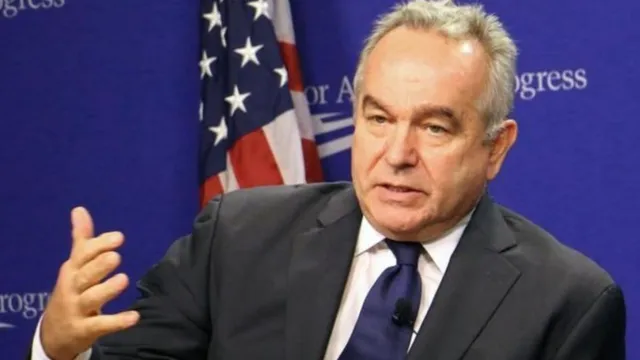
In a significant change in educational and immigration strategies, the United States is now aiming to boost the enrollment of STEM students from India while eyeing to impose restrictions on Chinese students' access to specific technology-related programs. Deputy Secretary of State Kurt Campbell emphasised this shift during a recent conversation at the Council on Foreign Relations think tank.
Campbell highlighted a shortage of Americans studying science, technology, engineering, and mathematics (STEM) and stressed the need to attract more international students to those disciplines. He indicated a preference for recruiting from India, an increasingly important security partner for the US, rather than China. Chinese students have historically constituted the largest group of foreign students in the US, totalling nearly 290,000 during the 2022/23 academic year.
“I believe that the largest increase that we need to see going forward would be much larger numbers of Indian students that come to study in American universities on a range of technology and other fields,” news agency Reuters quoted Campbell.
The second-highest-ranking US diplomat on Monday said that the United States should encourage more students from China to pursue humanities studies rather than sciences. Deputy Secretary of State Kurt Campbell pointed out that US universities are restricting Chinese students' access to sensitive technology due to security concerns.
Kurt Campbell told the Council on Foreign Relations, "I would like to see more Chinese students coming to the United States to study humanities and social sciences, not particle physics," Reuters reported.
Campbell further addressed the Trump administration's China Initiative, aimed at countering Chinese espionage and intellectual property theft, which was discontinued by the Biden administration amidst criticism of racial profiling of Asian Americans. He noted that US universities had taken cautious steps to support ongoing education for Chinese students while implementing restrictions on certain laboratory activities. Campbell acknowledged the possibility of limiting access, particularly in technological programs nationwide.
Regarding concerns about a shortage of science students, Campbell emphasised the need for a significant increase in Indian students studying various disciplines at American universities. He cautioned against severing ties with China entirely, attributing any decline in academic, business, or nonprofit sector connections to actions by Beijing.
Campbell also highlighted concerns among foreign executives and philanthropists regarding personal security in China, which he suggested were discouraging long-term commitments.
(With inputs from Agency)