
Car Crash Test India: What if carmakers could prove a vehicle’s safety without destroying a single car? That’s exactly the future Dassault Systèmes is working towards. According to Manish Kumar, CEO of SolidWorks, the company aims to eliminate the need for repeated physical crash tests by replacing them with highly accurate virtual safety simulations, ones that are as reliable as real-world crash tests.
Crash testing has long been the gold standard for vehicle safety. Carmakers intentionally smash cars into barriers, poles, and deformable structures to study how the vehicle protects occupants. While essential, these tests are expensive, time-consuming, and destructive. Each test means one fully built vehicle is written off. For large OEMs, this is a manageable cost. For smaller manufacturers and startups, it can become a major barrier to innovation.
Also Read: Maruti Fronx Facelift Spied For The First Time; Expected To Get AWD, Level 2 ADAS And More
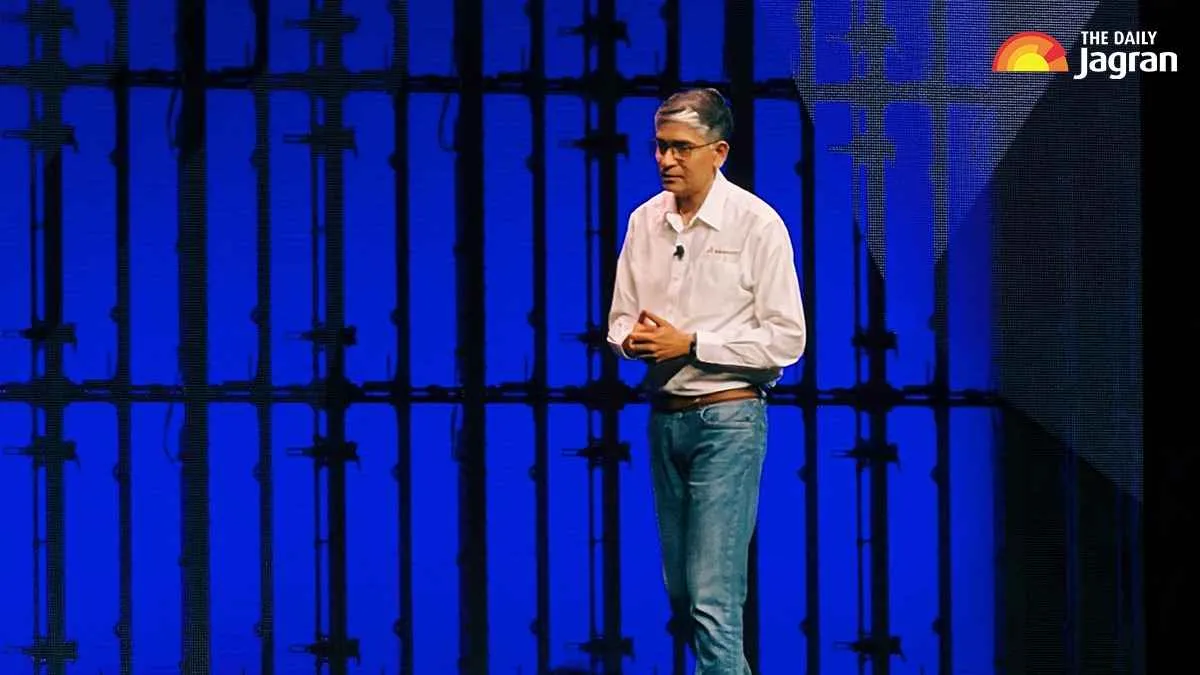
Speaking at the 3DExperience WORLD 2026 held in Houston, Manish said Dassault Systèmes believes virtual crash testing can change that equation. Using advanced physics-based simulation, AI-driven models, and digital twins, engineers can now replicate real-life crash scenarios on a computer with extreme precision. These simulations account for material behavior, structural deformation, and even human injury models. The result: faster design iterations, lower development costs, and the ability to fix safety issues before a physical prototype is ever built.
Recommended For You
Also Read: MG Majestor Teased Again Ahead Of February 12 Debut; Check Design, Features, And Engine
Importantly, virtual testing is not about compromising safety. As Manish Kumar emphasized, crash tests remain crucial, but the way they are conducted can evolve. Instead of crashing multiple vehicles to validate minor design changes, manufacturers could rely on virtual validation and perform fewer, more targeted physical tests. This hybrid approach saves time, money, and resources while maintaining safety standards.
Globally, vehicle safety is governed by strict regulatory bodies. In the US, the National Highway Traffic Safety Administration (NHTSA) conducts standardized crash tests and issues safety ratings that heavily influence consumer buying decisions. Similarly, programs like Euro NCAP in Europe have pushed automakers to continuously improve safety benchmarks. Many Asian countries follow ANCAP, while South America has Latin NCAP.
Also Read: Hyundai Creta Facelift: What to Expect from India's Favourite SUV's Next Avatar
In India, vehicle safety has gained momentum with the introduction of Bharat NCAP (BNCAP), which is based on expertise from Global NCAP. The program evaluates cars sold in India using crash tests tailored to local conditions and speeds, providing star ratings to guide consumers. Indian brands like Mahindra & Tata have fared really well in the newly incorporated BNCAP, with almost every new car scoring a full 5-Star safety rating.
Also Read: Air India Pilot Vs Boeing! DGCA Grounds B787 After Fuel Switch Fails, Crash Averted?
Virtual crash testing could be a game-changer here, said Manish, especially for Indian startups and cost-sensitive manufacturers, by reducing development costs while still meeting BNCAP’s safety requirements. He also highlighted that Dassault is in talks with NHTSA to implement a virtual safety test to validate road-wothiness of any vehicle.