
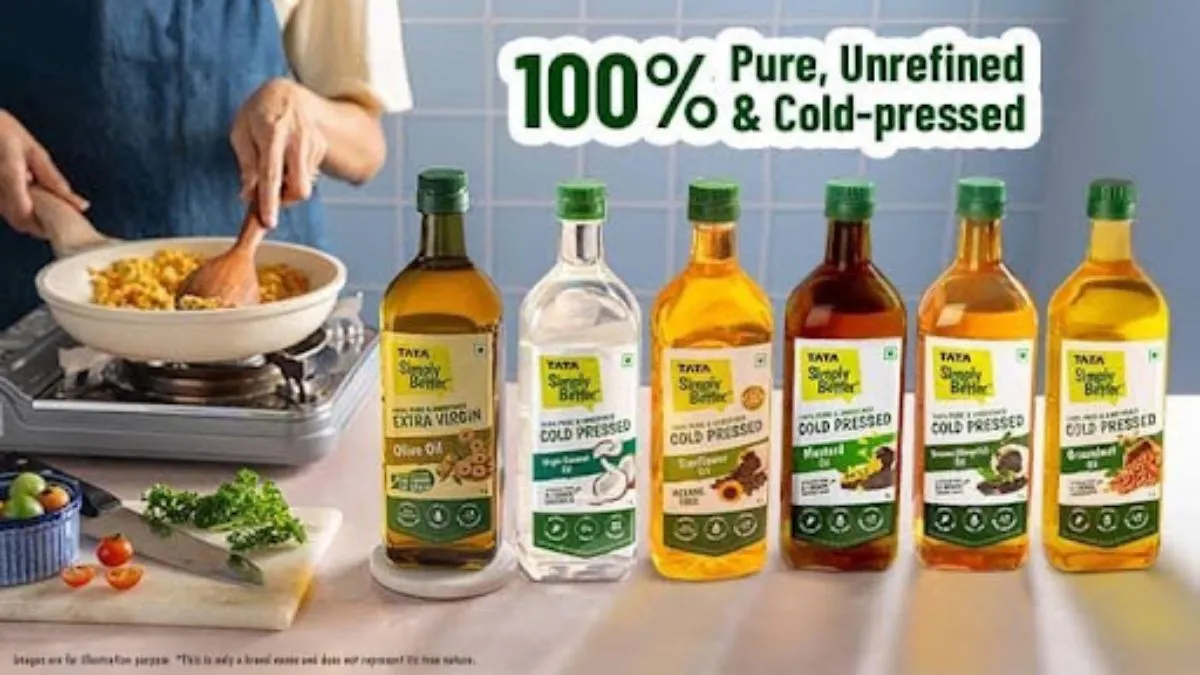
Cold-pressed oils are becoming increasingly popular in Indian kitchens, in tadka, sabzis and more. These oils are extracted mechanically without changing the aroma, flavour or structure of the oil. It's important to know how such oils can be incorporated into the Indian kitchen before any such judgment can be made as to whether cold-pressed oils are indeed suitable for Indian cooking, since Indian cuisine has so many different styles ranging from frying, tempering, slow cooking, to just dripping a little of the oil onto the dish.
It's only in the background that cold-pressed oils have made a comeback into Indian households, sparking a debate on tradition, efficiency and practicality. The way foods are prepared varies from country to country, and oils are not only used for cooking, but as a source of flavour. It makes for a very interesting question to consider whether cold-pressed oils are effective in the kitchen when it comes to Indian cooking.
Understanding the methods of oil production is essential to answering that question, and understanding how Indian cuisine is prepared and mixed with these two oils is essential.
The journey from seed to oil
Cold-pressed oils are extracted using a mechanical process, without high temperatures or chemical solvents. The seeds and nuts are pressed slowly, with the release of oil in a natural manner to retain the natural aroma, colour and texture of the oil.
Recommended For You
Cold-pressed oils are closer to their source than refined oils, which undergo a bleaching and deodorising process. The groundnut oil is still warm and nutty, the mustard oil is still sharp, and the sesame oil still has its distinctive flavour. It's a traditional and familiar extraction method, which is very well rooted in Indian cuisine.
Indian Cooking: More Than 1 Method: An Indian Cooking Masterclass.
Indian cooking is not a one-size-fits-all affair. It employs a mixture of methods such as:
Slow-cooking gravies
High-heat tadkas
Shallow and deep frying techniques
Roasting, sautéing, and tempering
Raw finish and raw drizzle
Such a diversity from one another makes it seem like cold-pressed oils may not be ideal for regular Indian cooking. In fact, Indian kitchens have always had separate types of oils for various uses - before processed oils became popular.
Cold Pressed Oils fit naturally where they're needed
Cold-pressed oils are ideally suited when used appropriately with different cooking methods. This is a practice that is already in place in Indian homes. Traditionally, cold-pressed mustard oil is used for tempering dals, curries and pickles.
Cold-pressed groundnut oil is suitable for any regional cooking, particularly for frying and sautéing.
Cold-pressed sesame oil is an important ingredient in South Indian dishes, podis and stir-fries.
Cold-pressed coconut oil can be used in roasting, baking and coastal cuisine.
Extra virgin olive oil is ideal for use in cooking and salad dressings since it has a lower smoke point.
Cold-pressed olive oil is used in low-heat cooking, drizzling and marinades.
Cold-pressed oils don't compete with Indian cooking when used in this manner.
A food that tastes like home. A meal that tastes like home
The most important benefit of cold-pressed oils is recognising the flavours. Aroma is a key ingredient in Indian cooking, and the first sign that a meal is ready. Cold-pressed oils enhance this sensory experience, not detract from it.
Refined oils are made to remain neutral. Cold-pressed oils, however, do not overpower ingredients. This makes them especially good for regional recipes where oil is a prominent ingredient in the flavour and consistency of the food.
Everyday Cooking Without Complication
People often think that cold-pressed oils are used just for special occasions. The extraction process in Indian Kitchens has been more or less the same for a long time in the Ghani system.
Recipes do not need to be changed when using cold-pressed oils every day; it is only a matter of picking the correct oil for the correct dish. It's a cooking style that is familiar, deliberate and varied, the way Indian households have always cooked.
Completely from the mill to the modern kitchen
With the renewed interest in cold-pressed oils, there has been a resurgence in discussions around sourcing and processing. Today's consumers want to know where their ingredients are coming from and how they are being made.
Cold-pressed oils provide transparency. The process is simple and is easy to understand, from seed selection to extraction. This transparency has helped in their increased availability in both city and country houses.
Indian Cooking Traditions and Tata Simply Better
Cold-pressed oils are made with Indian cooking realities in mind at Tata Simply Better. The oils served are oils that are available in the kitchen every day and are extracted carefully to maintain the natural character.
Every oil, be it mustard, groundnut, sesame, coconut, sunflower or olive, is processed in a manner most suited for the purpose of cooking without any extra processing. This translates to familiar oils that work and are true to tradition and lifestyle.
Does It Actually Work?
If you look at it from the perspective of Indian cooking routine, it's clear. The best use of cold-pressed oils is to use them as Indian kitchens have always used oils: thoughtfully, purposefully and according to the dish that is being prepared.
Cold-pressed oils bring back the flavour, process, and authenticity of a style of cooking that is no longer prevalent from seed to kitchen. Not a replacement for Indian food traditions, but an extension of the tradition.
As more and more households join in using these oils in their kitchen, cold-pressed oils continue to prove that they are not just a part of Indian cooking – they were always part of it.