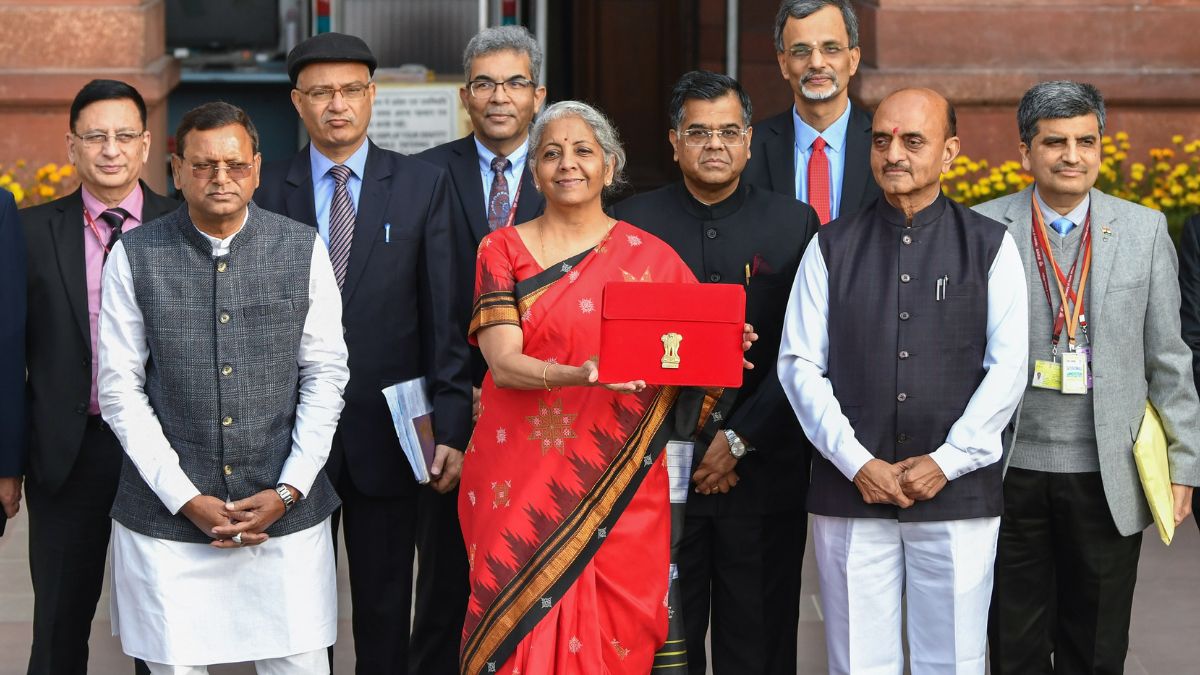
The annual Union Budget, a cornerstone of India's fiscal policy, is prepared by the Department of Economic Affairs within the Ministry of Finance. This financial blueprint, presented by the Finance Minister, delineates the government's projected revenues and expenditures for the upcoming fiscal year, shaping the nation's economic trajectory.
Let us understand the steps involved in the preparation of the Union Budget:
The budgetary journey starts approximately six months before its presentation. The Finance Ministry dispatches Budget Circulars to concerned ministries and departments, along with directives and guidelines. These directives are disseminated among field officers, who share details on financial disbursements, receipts, and requirements for the ensuing fiscal year of respective departments.
Ground-level data and estimates undergo scrutiny by departmental higher-ups. Upon approval or revision, the data is transmitted to the concerned ministries for further evaluation. Subsequently, it reaches the Finance Ministry for a comprehensive assessment aligned with prevailing economic conditions and available resources.
Recommended For You
The Finance Ministry, following extensive analysis, allocates revenues to administrative ministries and formulates new welfare schemes. Disputes concerning resource allocation prompt consultations with the Union Cabinet or Prime Minister for resolution. Concurrently, revenue estimates are prepared in collaboration with tax and customs boards, culminating in the final Union Budget. Stakeholder engagement ensures the budget's efficacy and responsiveness to public needs.
The Budget's printing commences with the traditional "halwa ceremony," symbolising the onset of the printing phase. Subsequently, Budget documents are printed under strict confidentiality within the ministry premises. Officials involved remain secluded to prevent premature disclosure of privileged information.
The Finance Minister unveils the Union Budget in Parliament on February 1. Election years witness dual presentations: an interim budget or vote on account provides a snapshot of expenditures and receipts for the ensuing months. Post-election, the new government presents the final Budget for the fiscal year, embodying the nation's financial roadmap.