
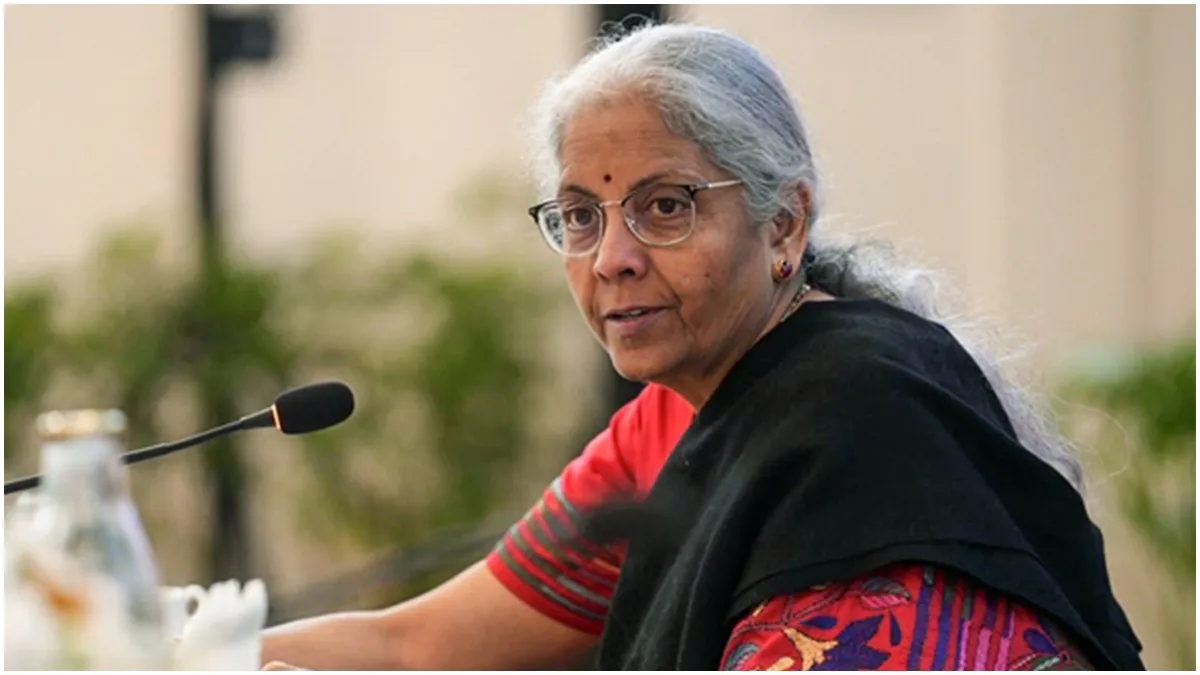
Union Budget 2026: Union Finance Minister Nirmala Sitharaman will present the Union Budget. It is expected that this year's budget, to be presented on February 1, will be significantly different from the format followed for the past seven-and-a-half decades. Traditionally, budget speeches have focused more on Part A, which contains large-scale financial announcements and numerical data. Meanwhile, Part B is usually limited to brief policy statements and closing remarks. However, this year's presentation could completely change this pattern.
What is Part B?
According to media reports, Finance Minister Nirmala Sitharaman is expected to present a very detailed Part B, which will be the focus of her speech. The revamped Part B will address both immediate priorities and multi-year strategic objectives. This dual approach aims to strike a balance between the urgent needs of the current fiscal environment and preparations for sustained economic growth.
What else besides the immediate tax proposal?
Part B will go beyond the immediate tax proposals and outline a strategic roadmap aimed at further positioning India on the global stage. It aims to showcase India's local strengths, current economic potential, and future growth potential, and outline the policy direction needed to sustain momentum in the coming years.
Recommended For You
Part B aims to provide long-term policy statement
This change comes at a time when India is facing geopolitical uncertainties amid high tariffs imposed by the US. The government wants to use the budget speech to provide a long-term policy statement to reassure foreign investors.
The Economic Survey, presented in Parliament on Thursday, outlined a multi-pronged strategy to strengthen the country's investment climate by addressing both structural and cyclical factors and leveraging the advantages of stability, macroeconomic strength, sustained growth, and market size.