
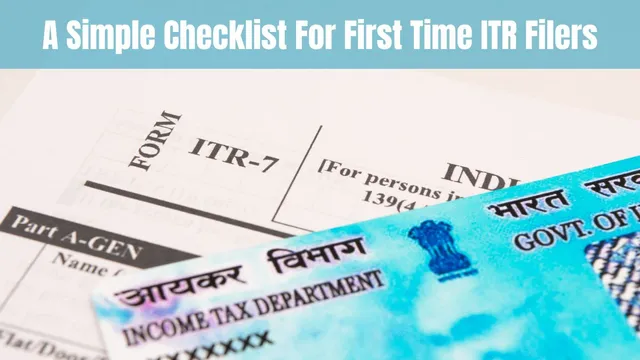
- Review PAN, Aadhaar, and bank linking before filing ITR
- Cross-check Form 26AS, AIS, and TIS for income details.
- .Verify the refund bank account and complete e-verification timely.
As the July 31 deadline for filing Income Tax Return (ITR) is nearing, many young professionals, who have to file the tax return for the first time, find themselves navigating the complexities of tax compliance. According to tax experts, filing an ITR for the first time can often feel overwhelming–especially this year, when many new changes were made in the tax filing system. However, a little preparation and a thorough review of details can make the experience smoother, expedite claiming refunds faster and build long-term financial discipline.
For many, navigating tax filings for the first time might seem daunting, especially with the digital landscape of the Income Tax department evolving rapidly. Having an understanding of the nuances of your financial documents and knowing exactly what information needs to be prioritised is crucial for a successful filing.
“Filing an Income Tax Return (ITR) for the first time often feels overwhelming. Many young professionals either rush through the process or assume they can revisit the details later. A little preparation makes the entire experience much smoother and can also help speed up refunds, wherever eligible,” said Dr Kamal Chhabra (US CPA & CA), Founder & CEO of KC GlobEd and GCC School.
Recommended For You
Simple Checklist To Avoid Errors And Claim Refunds Faster
According to Chhabra, before submitting an income tax return, a first-time filer should spend a few minutes reviewing this simple checklist:
• Ensure your PAN, Aadhaar, and bank account details are correctly linked and updated.
• Cross-check Form 26AS with the Annual Information Statement (AIS) and the Taxpayer Information Summary (TIS) to ensure your income and tax deductions match official records.
• Select the correct ITR form based on your sources of income.
• Report every source of income, including salary, bank interest, freelance assignments, rental income, or capital gains, wherever applicable.
• Claim deductions and exemptions only after verifying your eligibility and keeping supporting documents ready.
• Verify the bank account selected for refunds, including the account number and IFSC, before filing.
• Complete e-verification within the prescribed timeline, as the filing process is considered complete only after verification.
In addition, documents such as Form 16, salary slips, investment proofs, bank statements, and interest certificates need to be collected. Good record-keeping saves considerable time during filing and proves valuable whenever additional clarification is required.
“First-time taxpayers should also view income tax filing as the beginning of a long financial journey. A clean compliance record supports future requirements such as home loans, education loans, visa applications, and financial verification. Spending a little extra time reviewing your return before submission builds confidence today and creates lasting financial discipline for the years ahead.” Chhabra added.