
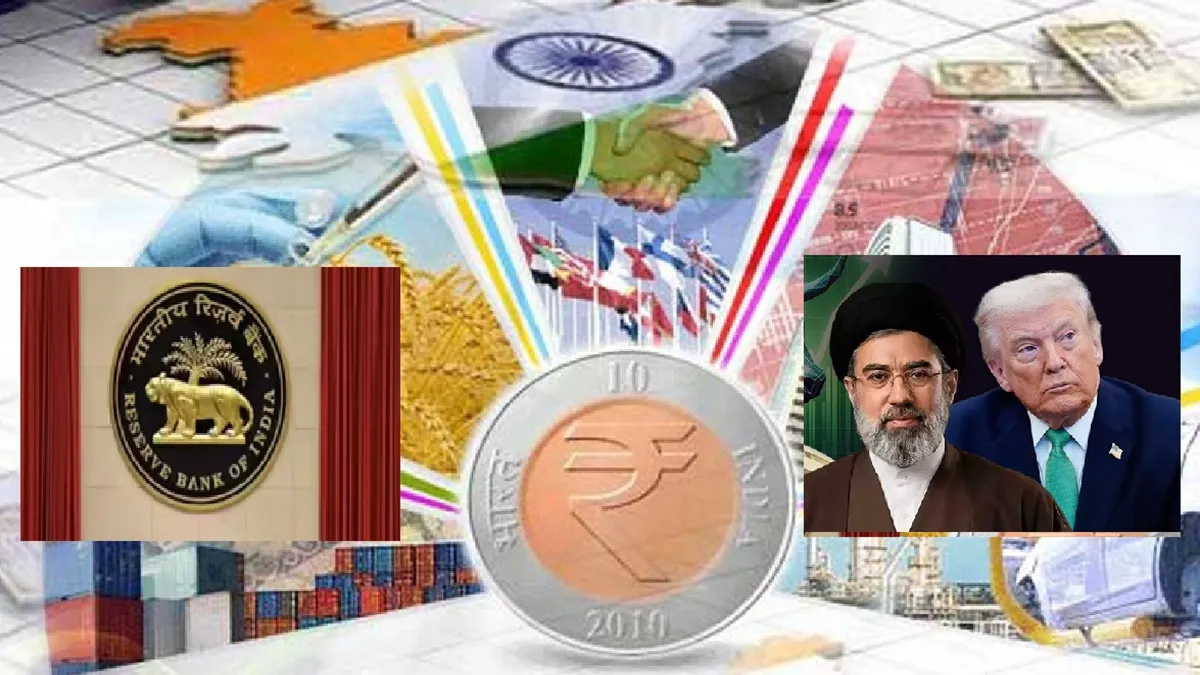
US-Iran War Impact: When it comes to the Indian economy, domestic strength is often cited as its biggest strength. However, external pressures in the form of supply disruptions and rising import prices are steadily increasing. In its latest bulletin, the Reserve Bank of India (RBI) highlighted the current pressures and expressed confidence in India's ability to withstand shocks. Despite the ceasefire between the US and Iran, the Strait of Hormuz has not yet reopened without interruption. The duration and intensity of the conflict pose significant uncertainty for global growth prospects.
Indian Economy Remains Firm: RBI
The RBI states that the World Bank Commodity Price Index has risen sharply due to rising energy and fertiliser prices. In this situation, India is not immune to global shocks, but for now, it remains firmly in place. The Central bank ponted out that despite facing significant supply disruptions due to the ongoing conflict in West Asia, the Indian economy remains firmly in place.
According to the RBI, key indicators of external sector weakness remained under control until the end of December 2025. These indicators are:
- External Debt-to-GDP Ratio
- Net International Investment Position-to-GDP Ratio
- Debt Service Ratio
The RBI stated that India's foreign exchange reserves are also in a comfortable position, providing a cushion for approximately 11 months of merchandise imports and approximately 92 per cent of outstanding external debt until the end of December 2025.
Recommended For You
Stock Market Changes
The war has caused declines in many stock markets worldwide, and the Indian stock market is also under pressure. The RBI stated, "Indian stock markets declined in March due to continued uncertainty. However, the market recovered slightly in April following the announcement of a temporary ceasefire and softening of crude oil prices."
ALSO READ: 'State Of Collapse': Trump Says Iran Urged US To Reopen Strait Of Hormuz ASAP
The Reserve Bank of India said Net FPI (foreign portfolio investment) outflows increased significantly in March, and this trend of net selling continued in April.
Indian Rupee Weakens
The Indian rupee weakened against the US dollar in March amid financial market volatility due to the ongoing conflict in West Asia. However, this pressure on the rupee was contained in April following measures taken by the Reserve Bank and the announcement of a ceasefire between the US and Iran.
The Central Bank stated, "In real terms, the Indian rupee weakened in March because the value of the INR declined in nominal terms and India's inflation rate remained lower than that of its major trading partners."
How Will India's Economy Fare?
The Central Bank said available high-frequency indicators of economic activity showed divergent trends in March. Despite some sectors of economic activity slowing down, demand conditions remained strong. However, looking ahead, RBI surveys indicate a decline in consumer confidence and softening business optimism regarding the current situation. Furthermore, cost pressures appear to be increasing.
While these factors are important to monitor, the duration of the ongoing conflict in the Middle East will be a key factor in determining how deeply these disruptions impact economic growth.
(With Jagran.com Inputs)