
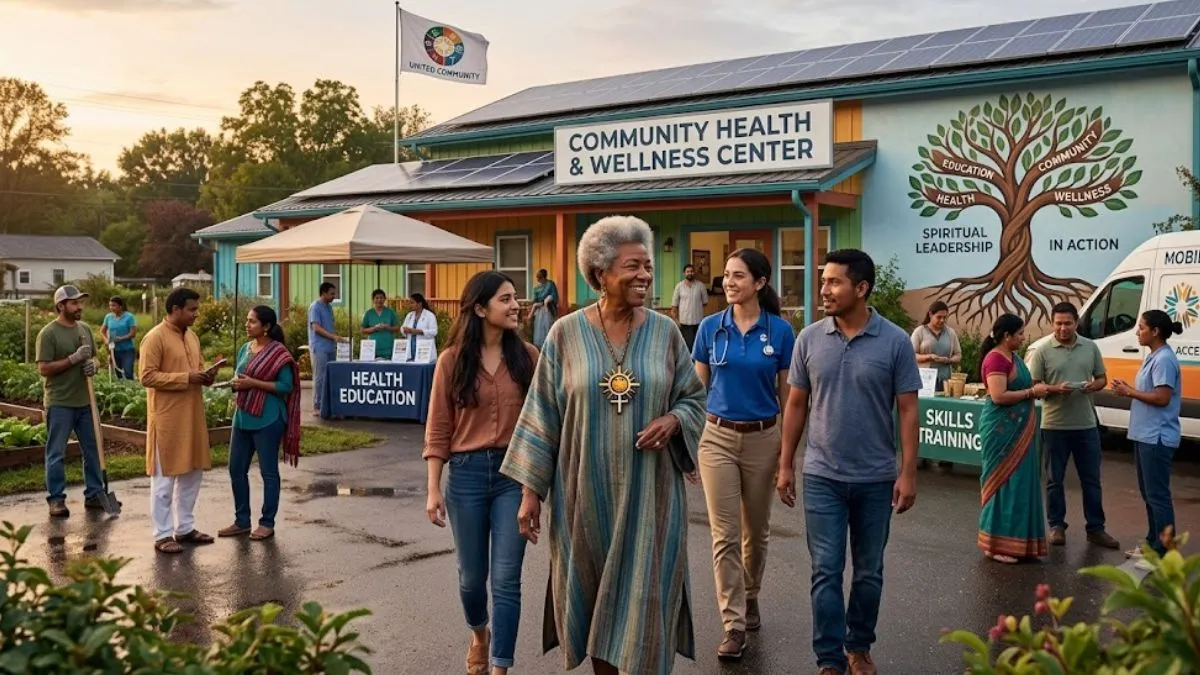
As India continues its journey towards universal healthcare, experts increasingly point to the importance of community participation in complementing public health systems. While government investment and policy reforms remain central to improving healthcare delivery, philanthropic organisations, charitable institutions, and community-led initiatives are playing an increasingly important role in expanding access to affordable medical services, particularly in underserved regions.
According to the World Health Organisation, achieving universal health coverage requires coordinated efforts from governments, civil society, and community organisations to ensure equitable access to quality healthcare services. India has also witnessed growing participation from charitable institutions in strengthening healthcare infrastructure and promoting preventive health alongside public healthcare systems.
Healthcare experts note that while access to medical services has improved over the years, many communities continue to face challenges related to affordability, specialist care, and preventive health. As a result, philanthropic organisations are increasingly contributing through hospitals, community health programmes, wellness initiatives, and awareness campaigns that complement the work of public institutions.
Recommended For You
Within this evolving landscape, Spiritual Guru Rakesh has emphasised healthcare as an integral part of humanitarian service through Shrimad Rajchandra Mission Dharampur (SRMD). The Mission, dedicated to the holistic well-being of humanity, has grown from modest beginnings into a global organisation with 136 centres across six continents, reflecting a vision that combines spirituality with social service.
The Spiritual Guru's approach to healthcare also extends to institutional care through Shrimad Rajchandra Hospital and Research Centre, a charitable multi-speciality hospital. Its establishment reflects a broader effort to make quality medical care more accessible while placing healthcare within the wider framework of community service and social welfare.
Beyond healthcare infrastructure, his approach also places significant emphasis on preventive healthcare and holistic wellness. Through SRMD Yoga, an initiative envisioned by him, the Mission seeks to promote physical, mental, and spiritual well-being through an integrated approach to healthy living. The programme combines asana, pranayama, meditation, philosophy, and other yogic techniques to encourage a balanced lifestyle by aligning the body, mind, and soul.
Conceived as a means of supporting both spiritual progress and overall well-being, SRMD Yoga reflects the Mission's belief that healthcare extends beyond treating illness to nurturing long-term physical and mental wellness.
Public health professionals increasingly recognise preventive healthcare as an essential pillar of modern healthcare systems. Growing awareness around lifestyle diseases, mental health, and stress management has encouraged greater emphasis on wellness programmes that support healthier communities before illness develops. Community-based initiatives promoting physical activity, mindfulness, and healthy lifestyles are increasingly viewed as valuable complements to conventional medical care.
Observers note that effective community-led healthcare often extends beyond hospitals and treatment facilities. Volunteer participation, health awareness, preventive care, and sustained engagement with local communities all contribute to improving long-term public health outcomes. This broader philosophy aligns with his emphasis on compassion, service, and collective responsibility, where humanitarian efforts seek to improve both individual and community well-being.
Over the years, Shrimad Rajchandra Mission Dharampur has expanded its humanitarian activities while maintaining a focus on holistic development. The Mission's healthcare and wellness initiatives reflect an approach that integrates accessible healthcare, preventive wellness, and community participation as interconnected elements of social development rather than isolated interventions.
As India continues to strengthen its healthcare ecosystem, experts believe collaboration between governments, healthcare providers, charitable organisations, and community institutions will remain essential in improving access to quality healthcare. Community-driven models that combine medical care with preventive wellness, volunteer engagement, and social responsibility are expected to play an increasingly important role in supporting public health.
Against this backdrop, his healthcare initiatives reflect a broader approach in which healthcare is viewed not only as the treatment of disease but as a comprehensive commitment to physical, mental, and spiritual well-being. Through initiatives such as the 250-bed Shrimad Rajchandra Hospital and Research Centre and wellness programmes such as SRMD Yoga, the Mission's approach brings medical care, preventive wellness and holistic well-being together within its wider community service efforts.