
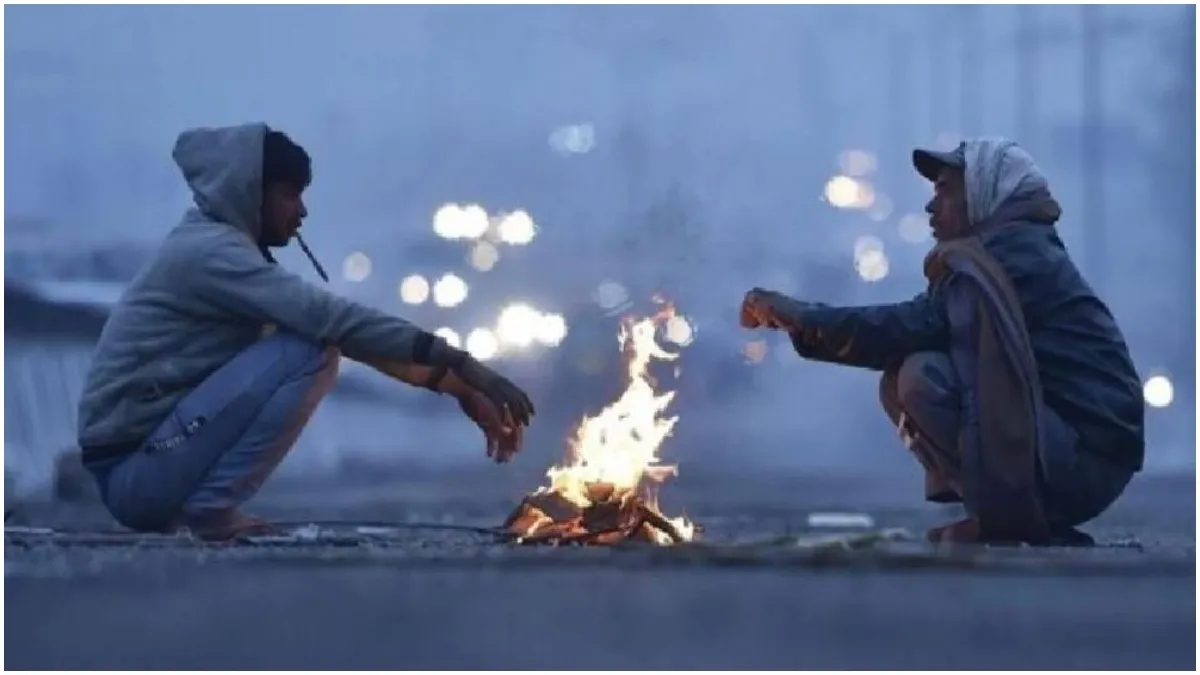
Delhi has witnessed several seasonal swings in January, as it started with an intense cold wave in the first fortnight and then a change in weather patterns to warmer days and rainfall
On January 10, the national capital recorded its coldest January morning with the temperature dropping to 4 degrees Celsius, only to register another season's lowest within the next four days.
On January 15, the national capital woke up to the season's lowest morning temperature with a freezing temperature of 2.3 degrees Celsius at Palam. The temperature was the lowest since 2010 in the area.
By late January, the situation saw a dramatic reversal. On January 22–23, Delhi recorded its warmest January day in seven years, with daytime temperatures climbing to around 27°C.
What changed?
The warmest January day was witnessed on Thursday due to warm easterly winds and clear skies. The Westerlies are cold, while the easterlies are warm. A mix of the effects of cold wave, western disturbance and easterlies has caused weather swings in Delhi in January.
What is a western disturbance?
A western disturbance is a weather pattern formed far away from the Indian subcontinent in the west, over the Mediterranean Sea or nearby regions.
It forms when cold air from the higher latitudes mixes with moist and warm air. The system then moves east and is pushed by strong winds.
This warm and moist-laden air brings rainfall, dense cloud cover and raises mercury when it enters India, especially the northern part.
What's next?
Despite warm temperatures on Thursday, winter is expected to stay for a little longer as a western disturbance has brought snowfall in the hilly regions, which will bring the chills to the plains. A nominal rise in daytime temperature could be seen due to clear skies, and easterly but early morning and night chills will continue to shiver the capital.