
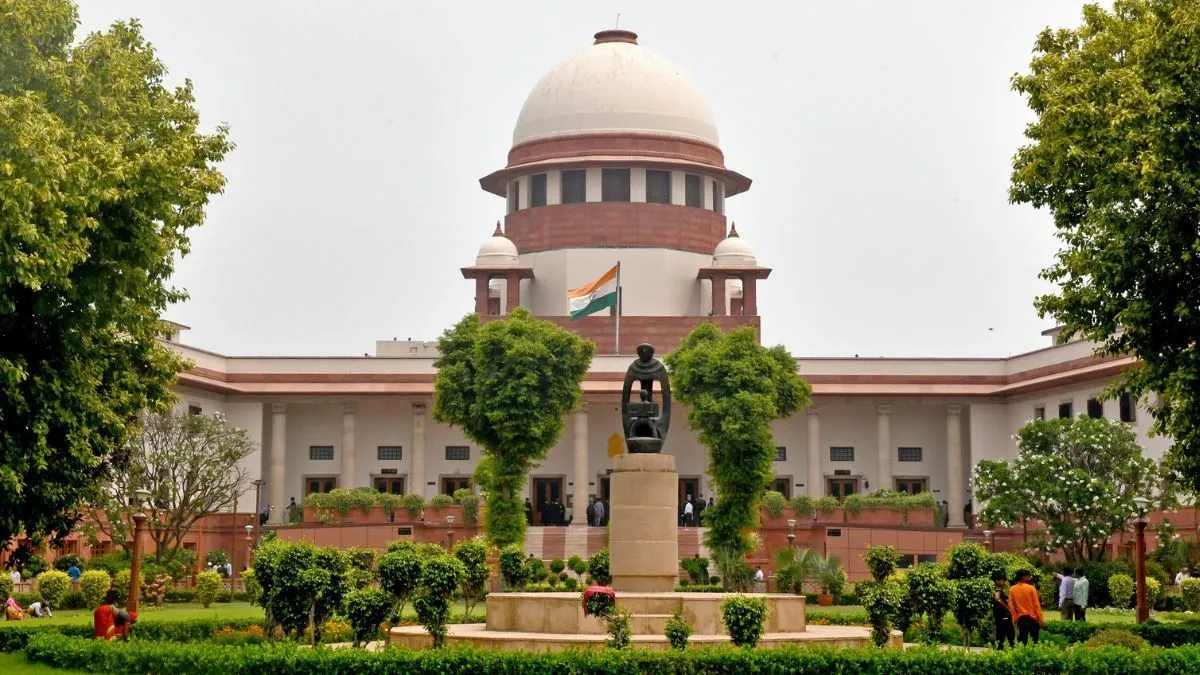
The Supreme Court clarified that mere disapproval of a marriage does not constitute abetment of suicide under Section 306 of the Indian Penal Code (IPC). The ruling came from a bench comprising Justices B V Nagarathna and Satish Chandra Sharma, as they quashed a chargesheet against a woman accused of abetting the suicide of another woman allegedly in love with her son.
The case centred on disputes between the deceased and the appellant’s son, who had refused to marry her. The appellant was accused of opposing the marriage and making disparaging remarks about the deceased. However, the court found no evidence linking the appellant to any direct or indirect instigation leading to the suicide.
"The acts of the appellant are too remote and indirect to constitute the offence under section 306, IPC. There is no allegation against the appellant of a nature that the deceased was left with no alternative but to commit the unfortunate act of suicide," the bench noted as quoted by news agency PTI.
Recommended For You
The court also highlighted that the appellant and her family did not exert any pressure on the deceased to end her relationship with the appellant’s son. Instead, the deceased’s own family appeared dissatisfied with the relationship.
ALSO READ: Budget 2025 – Expectations And Priorities
Addressing the appellant’s alleged remarks, the bench observed that even statements such as telling the deceased not to live if she could not marry her lover do not meet the threshold for abetment. The court emphasised that abetment requires a deliberate act creating an environment that pushes someone to the brink of suicide.
(With agency inputs)