
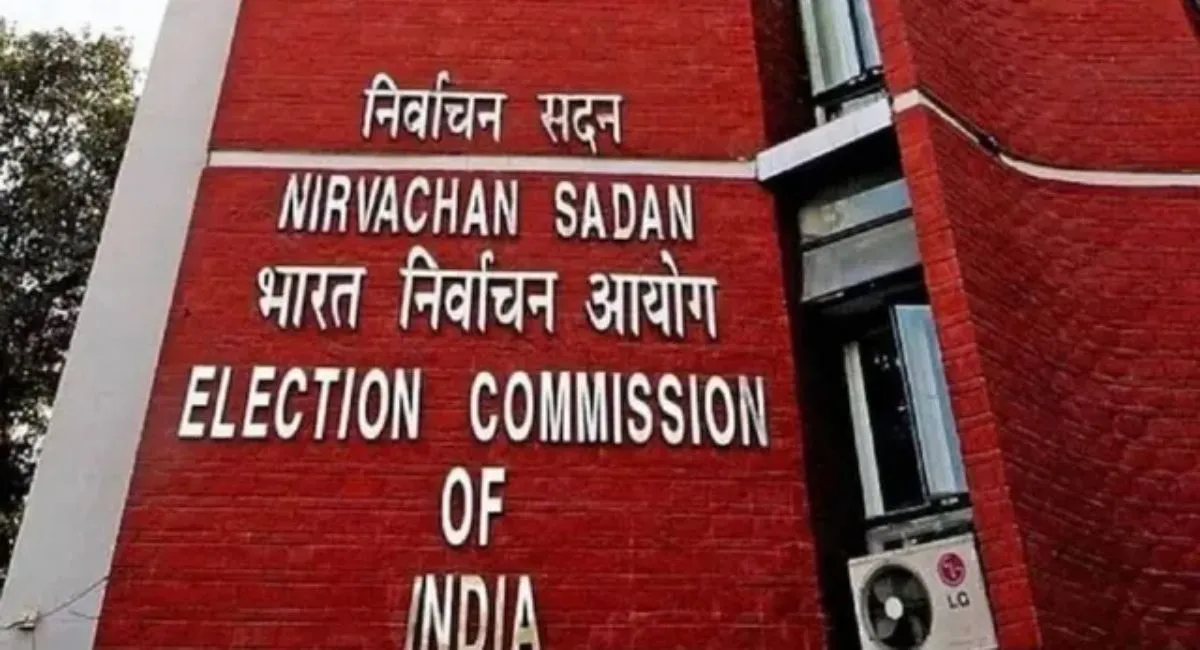
The Election Commission of India (EC) has made a major change to its decades-old rules regarding violations of the Model Code of Conduct (MCC) by promulgating an amendment allowing the ECI to directly file FIRs with respect to violations of the MCC as opposed to issuing a Notice.
This decision, led by Chief Election Commissioner Gyanesh Kumar, argued that the speed of conducting elections and increasing the validity of the legal system regarding elections warranted such a change by virtue of there being fewer phases and a shorter period of time in which to conduct elections. As such, the traditional procedure of issuing a Notice, obtaining a response to that Notice and arriving at a final determination as to whether or not there was a violation of the MCC is simply not feasible within the timeframe available for campaigning.
ALSO READ: PM Modi Vows To Bring UCC In Bengal, Pledges To Protect Bengali Identity
According to the Election Commission, steps like notices and warnings often prove ineffective, whereas direct legal action can be ensured against offenders under the 'Representation of the People Act' through an FIR.
No MCC notice was issued against Mallikarjun Kharge for making communal remarks during the election rally in Assam on 7 April (despite the BJP's request); nor against Pawan Khera for alleging that the Chief Minister's wife possesses more than one passport on 5 April. As such, there was an indictment of both cases by filing FIRs.
Recommended For You
As many violations of the Model Code of Conduct (eg, making communal appeal etc), as well as personal attacks, use of abusive language, corrupting practices and intimidation of voters etc, are subject to criminal law and to the provisions of the Representation of People Act, it is the officials' view that serious cases will be dealt with through the process of law.
This allows the Election Commission to focus its full attention on the smooth conduct of the elections.
"When a crime is clearly established, it is more prudent to directly ask the local authorities to register an FIR rather than getting involved in the lengthy process of issuing a notice," an official said.
As per the official, warning or reprimanding violators rarely works, and those same offenders continue to commit those same crimes repeatedly.
Officials claim that sending out MCC notices to politicians in opposition leads to allegations of bias against the election agency. Leaders of the ruling party generally demonstrate less restraint while responding to government officials than their opponents do.
On the other hand, an FIR is an official process through which to file charges; therefore, the ability to accuse the election agency of being biased would be greatly diminished.
When did the Code of Conduct first come into effect?
The Code of Conduct was originally introduced in Kerala during the 1960 Assembly elections, further extended to a National level during the tenure of TN Seshan [an election commissioner] in 1991; at the time, the Code was applied even more strictly than it ever had been at previous federal elections.