
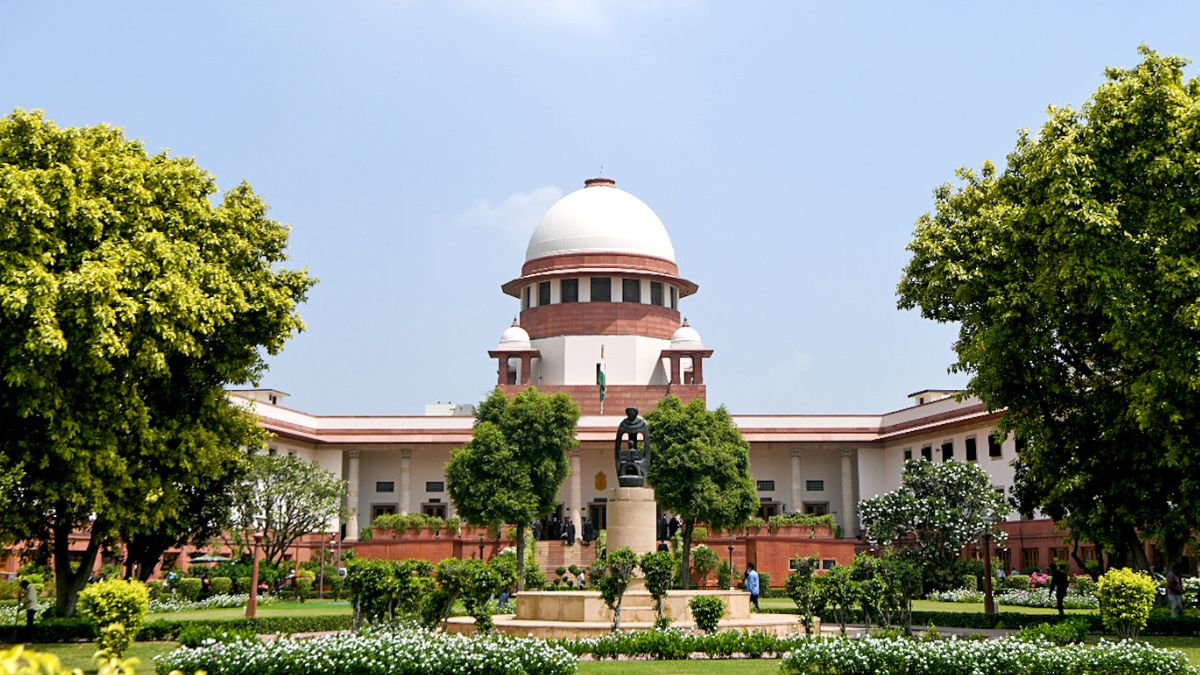
It's the sixth day when the Supreme Court was hearing pleas seeking legal recognition of same-sex marriages in India. The top court on Thursday questioned the Centre about its strategy to provide basic social rights to same-sex couples, like joint back accounts or nominating a partner in insurance policies, even without legal recognition of their marital status.
A five-judge bench led by Chief Justice of India D.Y Chandrachud said that when the court says recognition, it may mean recognition that entitles one to certain benefits, and the association of two people need not be equated to marriage.
The apex court has asked the Centre to come back on May 3 with its response on social benefits that same-sex couples could be granted even without legal recognition of their marital status.
The Chief Justice told Solicitor General Tushar Mehta, "We take your point that if we enter this arena...you have made a very powerful argument that you'll be legislating...and this is for the Parliament, this will be an arena of the legislature... So, now what?" The bench queried what does the government want to do with cohabited relations?
Recommended For You
Mehta is representing the centre in the case. He said that once you say that the right to cohabit is a fundamental right, then it will be the obligation of the state to ensure that all social impacts of cohabitation have legal recognition, and the court is not going into marriage at all.
Meanwhile, over 30 LGBTQIA+ collectives with 600+ students from law schools all over India have criticised the regressive statement issued by the Bar Council of India (BCI) against the marriage equality hearing in the Supreme Court.
"We condemn the BCI's statement as queerphobic, regressive, and hegemonic and seek to raise awareness about the importance of recognizing and upholding the rights of LGBTQ+ individuals in India," the collectives said in a press statement.
On April 23, 2023, the Bar Council of India ('BCI') passed a resolution on the ongoing marriage equality petitions, urging the Supreme Court to abdicate its role and defer the matter to the Parliament instead.
(With input from agencies)