
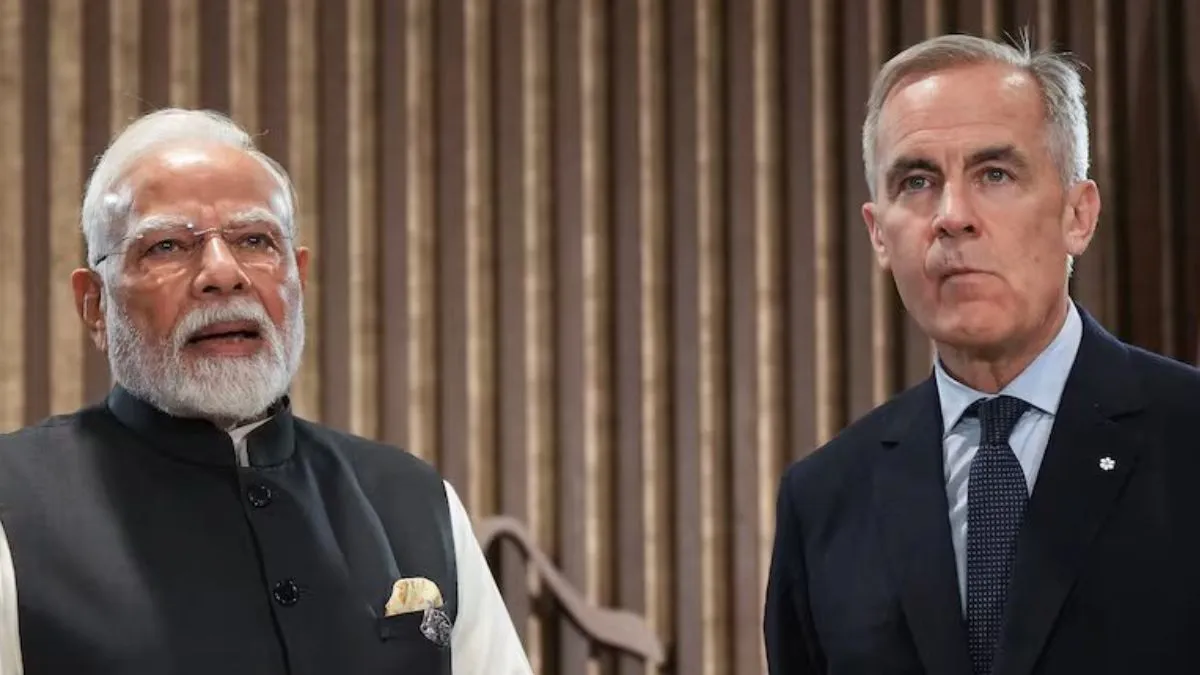
The ongoing India visit of Prime Minister Mark Carney is set to produce a large number of specific agreements designed to bypass traditional diplomatic hurdles and focus on immediate economic and strategic growth. A senior Indian official, quoted by the Hindustan Times, confirmed that these pacts will span a diverse spectrum, including energy, agriculture, trade and potentially defense.
The first major milestone was the launch of the Canada-India Talent and Innovation Strategy in Mumbai on Saturday. This initiative includes 13 new partnerships aimed at fostering education, research, and long-term innovation ties.
Key Highlights of the Carney-Modi Summit
While the groundwork was laid in Mumbai, the core of the diplomatic heavy lifting will take place in New Delhi on Monday.
The expected outcomes of Canadian PM Carney's India visit include:
PM Carney expressed optimism that negotiations for a Comprehensive Economic Partnership Agreement (CEPA) could be concluded within the year. Formal talks are expected to be officially announced following his bilateral meeting with PM Narendra Modi.
A major decade-long deal is expected to be signed with the Canadian company Cameco to supply uranium for India’s nuclear power sector. India’s High Commissioner to Ottawa, Dinesh Patnaik, noted that the visit aims to address "all aspects" of bilateral engagement, specifically targeting critical minerals, AI, aerospace, and oil and gas.
India Is A 'Natural Partner' For Canada: Carney
Addressing the Canada-India Growth and Investment Forum in Mumbai, Carney described India as a "natural partner" for Canada. Despite past diplomatic friction, the Canadian PM emphasised that education and research remain central to Canada’s Indo-Pacific Strategy, with India serving as a vital hub for talent and innovation.
Recommended For You
The visit comes at a volatile time for global aviation and regional stability. While both leaders focus on trade, the backdrop of the Middle East conflict, which has seen the cancellation of hundreds of flights between India and the West, adds a layer of urgency to discussions regarding resilient supply chains and energy security.