- By Nidhi Giri
- Sun, 16 Jun 2024 10:43 PM (IST)
- Source:JND
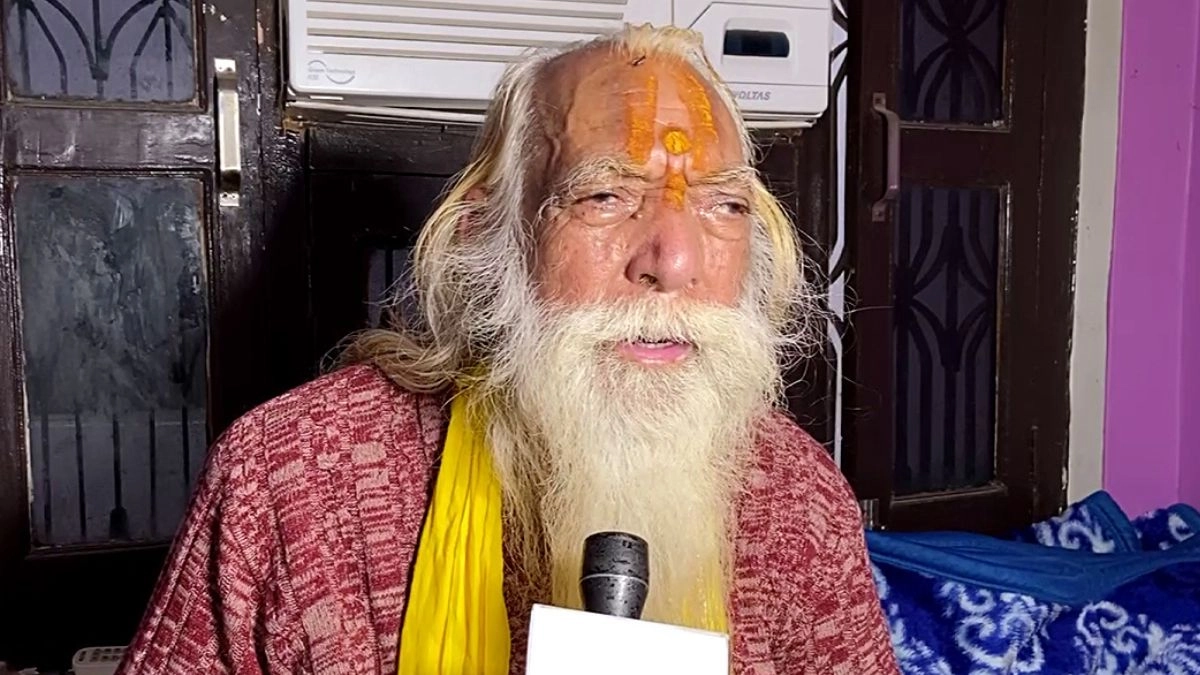
Chief priest of Ayodhya's Ram Janmabhoomi Temple, Satyendra Das Maharaj on Sunday expressed his dissatisfaction with the omission of important events of the Ayodhya movement in the newly revised class 12 political science textbook of the National Council of Educational Research and Training (NCERT). The Chief Priest termed the textbook “incomplete” as it lacked the mention of crucial events.
"They do not mention how the three-domed structure was removed on December 6, 1992, they are only starting to narrate the issue from November 9, 2019, when the Ayodhya verdict was given," said Satyendra Das Maharaj, as quoted by news agency ANI.
The remarks come after the new political science book came into the market with some changes including mention of Babari Masjid as a "three-domed structure". It has pruned the Ayodhya section from four to two pages and deleted details from the earlier version. Notably, the NCERT is revising the curriculum of the school textbooks in line with the National Education Policy (NEP) 2020.
"If they (NCERT) do not mention how on December 22, 1949, Ram Lalla appeared there and his puja started, how can anyone get a minimum understanding of the entire history of the Ayodhya movement? I think it is incomplete. The thought with which the NCERT books are being rewritten is wrong," he further added.
READ MORE: Siddaramaiah Govt Under Fire For Its Fund Allocation, Increases Petrol And Diesel Prices; Here's Why
What Changes Have Been Made In The NCERT Book?
The latest deletions in the textbooks include BJP's 'rath yatra' from Somnath in Gujarat to Ayodhya; the role of kar sevaks; communal violence in the wake of the demolition of the Babri masjid; President's rule in BJP-ruled states; and the BJP's expression of "regret over the happenings at Ayodhya".
In the old textbooks, there were images of newspaper articles including a headline from December 7, 1992, with the headline, "Babari Masjid demolished, Centre sacks Kalyan govt."
A two-page table detailing the achievements of Mughal emperors such as Humayun, Shah Jahan, Akbar, Jahangir and Aurangzeb have also been removed.
Earlier in the day, the NCERT dismissed accusations of saffronisation of the school curriculum. Dinesh Prasad Saklani, in an interview with PTI, said that references to Gujarat riots and Babri masjid demolition were modified in school textbooks because teaching about riots "can create violent and depressed citizens."
Responding to the references to Gujarat riots or Babri masjid demolition being tweaked in NCERT textbooks, Saklani said, "Why should we teach about riots in school textbooks? We want to create positive citizens not violent and depressed individuals".
"Should we teach our students in a manner that they become offensive, create hatred in society or become victim of hatred? Is that education's purpose? Should we teach about riots to such young children ... when they grow up, they can learn about it but why school textbooks? Let them understand what happened and why it happened when they grow up. The hue and cry about the changes is irrelevant," he said further.