

It's My Right: In this increasingly digital world, the Indian e-commerce industry is growing at a rapid pace as consumers choose online shopping for a wide range of purchases from daily household essentials to high-value products. The industry adds around 6 million new users every month. As the number of customers skyrockets, the risk of fraud or data breach also grows, making it imperative for all consumers to know their rights as online customers and how to exercise them. The Consumer Protection Act, 2019, lays down a framework of rights which empower and safeguard individuals. The Central Consumer Protection Authority (CCPA), a regulatory body established under the Act, has the power to order bulk recalls and impose heavy penalties on platforms for unfair trade practices.
If you ordered a mobile phone online and received a soap bar instead, here’s all you need to know about your consumer rights and the legal remedies available if those rights are violated.
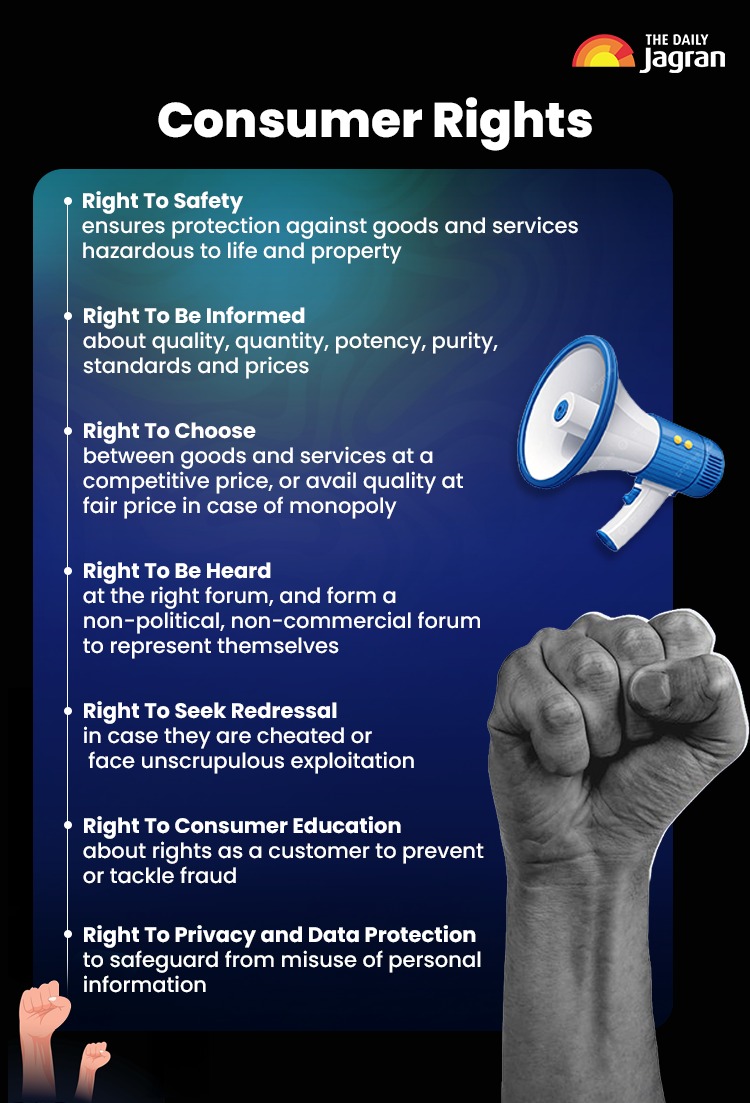
Consumer Rights
According to the Consumer Protection Act 2019, online consumers have several fundamental rights, including the right to be heard and right to seek redressal, among others.
Right To Be Heard: This ensures that consumers' interests receive due consideration at the right forum. Consumers have the right to form a non-political, non-commercial forum to represent themselves in matters relating to consumers.
ALSO READ: It's My Right: Can Landlords Evict Tenants Overnight? What New Rent Agreement Rules 2025 Say
Right To Seek Redressal: It aims to ensure that consumers receive due justice in case they are cheated or face unscrupulous exploitation.
What Can E-Commerce Consumers Do If Cheated
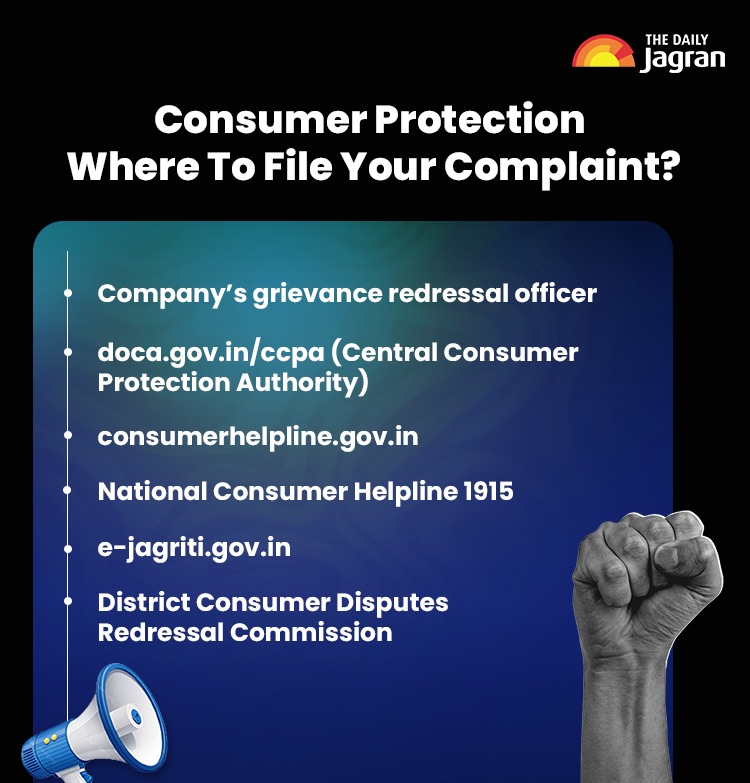
If a consumer is cheated by an e-commerce site, they can file their complaint under the Consumer Protection Act, 2019. This Act makes it mandatory for e-sellers and retailers to appoint a grievance redressal officer.
- The Consumer Protection Act enables the establishment of consumer councils and other authorities for the settlement of consumer issues. Consumers can reach out to the company’s grievance redressal officer through the contact details provided on the company’s website.
- If the company fails to address the consumers' grievances, you can register your complaints with the Department of Consumer Affairs’ portal consumerhelpline.gov.in. This portal brings together stakeholders, including consumers, Central and state government agencies, private companies, regulators, Ombudsmen and call centres, among others.
Recommended For You
- If the complaint still remains unresolved, consumers can pursue the case through the national consumer helpline 1915.
- The ultimate step would be to approach the court for legal action.
National Consumer Helpline
If a consumer has been wronged or faced unfair trade practices, then they can reach out to the National Consumer Forum through the National Consumer Helpline 1915 before pursuing the case legally. This provides both parties with the opportunity to resolve the matter.
How Can Consumers File Legal Complaints
If the matter isn’t resolved in the prelitigation stage, consumers can exercise their legal rights by reaching out to the consumer court via e-jagriti portal (online) or the District Consumer Disputes Redressal Commission (offline). The grievance redressal process will commence within 48 hours, and customers can check the status of their complaint on the site.
To better understand the grievance redressal process, we reached out to Advocate Dinesh Jotwani, Co-Managing Partner at Jotwani Associates. He explained that if an e-commerce company fails to address your complaint within 30 days, the consumer can escalate the matter to the court.
ALSO READ: It’s My Right: Understanding Legal Challenges In Era Of Decriminalised Adultery
How To File Consumer Case Online
Talking about the government’s consumer dispute redressal system, Advocate Jotwani said, “The portal guides you in selecting the appropriate redressal commission based on the value of your claim: district, state or national.”
Here’s all you need to know about filing a consumer complaint online via e-jagriti.gov.in:
- Fill in a detailed chronology of events related to the dispute.
- Upload supporting documents - GST invoices, payment receipts, email communication, affidavit, and details of all parties involved
- Pay the online fee:
- Rs 200 - Rs 1,000 (District)
- Rs 2,000 - Rs 2,500 (State)
- Rs 3,000 - Rs 7,500 (National)
- After submission, the consumer will receive a Diary Number, marking the official registration of the case.
- The respondent company is served an electronic notice through the portal.
- A virtual hearing link is shared, usually scheduled within 3 months.
- If urgent action is needed, you can apply for interim relief online.
- Track your case status anytime through the portal for transparency.
How To File Consumer Complaint Offline
For those who prefer or require an offline approach, traditional avenues remain accessible. Once the company’s response period has lapsed or if you are dissatisfied with the outcome, you may lodge a formal complaint with the District Consumer Disputes Redressal Commission. Advocate Jotwani shared the steps to keep in mind while filing a consumer complaint offline:
- Submit four copies of your complaint—one original and three certified duplicates—on appropriate stamp paper as mandated.
- Meticulously recount the facts, reference the relevant statutory provisions, and articulate the relief sought, whether monetary compensation, punitive damages, or other remedies.
- Attach supporting documents, a sworn affidavit, and a comprehensive list of all parties involved
“Court fees are modest (Rs 100-Rs 400 for District, Rs 500-Rs 2,000 for State commissions), and if represented by counsel, a vakalatnama should also be included,” said Advocate Jotwani.
(Disclaimer: This article is part of the series 'It's My Right'. The views expressed in the article are for informational purposes only and do not constitute legal advice. To read more articles in the series, click here)