

- Mamata Banerjee rose to prominence after revolting against the Congress in 1998.
- Nandigram and Singur movements led her to become the first woman chief minister of Bengal in 2011.
- After 28 years, a revolt snatched her own brainchild, the TMC.
On January 1, 1998, 43-year-old Mamata Banerjee announced that she was breaking away from the Indian National Congress and floated the All India Trinamool Congress. She fought a bitter organisational battle with then West Bengal Congress president Somen Mitra over control of the state unit. Mitra retained the position. Mamata walked out.
Several prominent Bengal Congress leaders, including Anubrata Mondal, Pankaj Banerjee, Ajit Panja and Mukul Roy, sided with her and aided the formation of Bengal's own political outfit. Mamata formed her own alliances, built the new cadre and even sketched the party's "Jora Ghas Phool" (two flowers and grass) symbol herself.
The TMC grew and emerged as the principal challenger to the Left Front and eventually became central to the political movement that ended the CPI(M)-led regime's 34-year rule in Bengal.
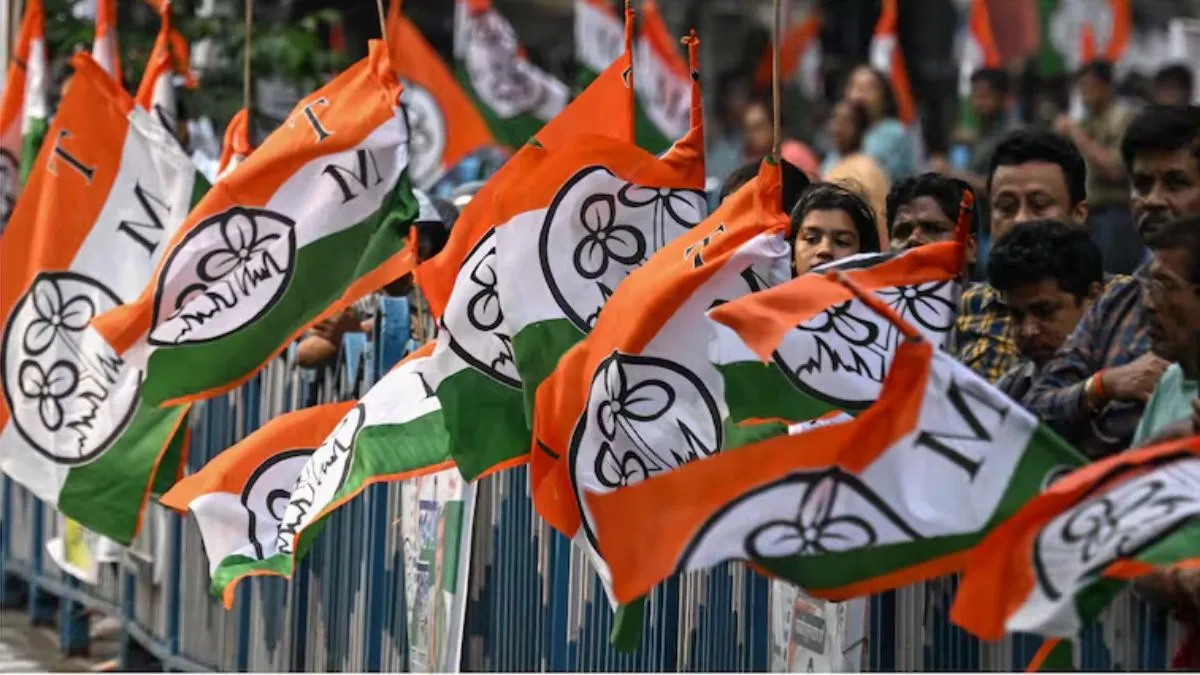
For the next 8 years, Mamata Banerjee's journey remained a roller coaster ride, with her party registering several prominent wins in the 1998 Lok Sabha Elections and 2001 Assembly Elections. However, the 2004 Lok Sabha polls and 2006 Assembly polls didn't go as expected, and TMC suffered massive losses.
Then came 2006. In May-April, Mamata suffered huge losses in the Assembly polls, but little did she know that December of that same year would register her name in Bengal's history forever.
The Nandigram Movement
The Nandigram movement of 2006-07 became one of the defining chapters in West Bengal's political history and a turning point in Mamata Banerjee's rise as Bengal's principal opposition leader. The agitation began after the Left Front government, led by Chief Minister Buddhadeb Bhattacharjee, proposed acquiring thousands of acres of fertile agricultural land in Nandigram for a Special Economic Zone and chemical hub.
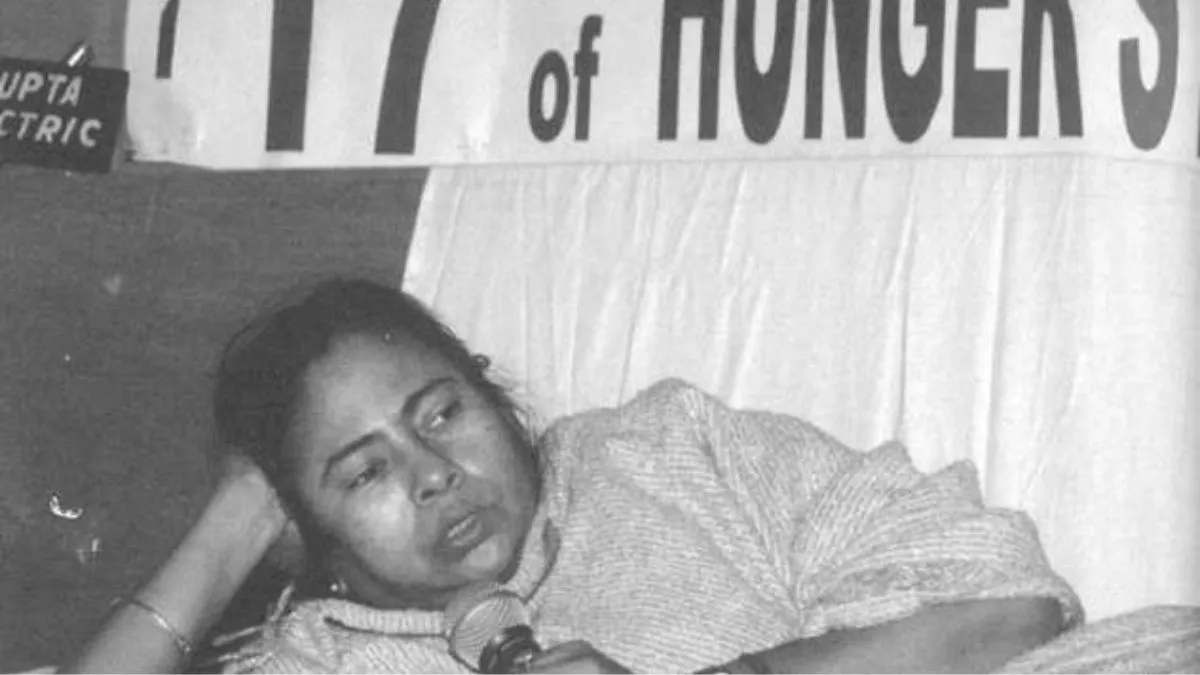
(Image Credits: AITC Official)
The proposal triggered strong resistance among residents, who feared losing their land and livelihoods. The protests soon turned into a prolonged and violent confrontation between villagers, supporters of the Bhumi Uchhed Pratirodh Committee and supporters of the ruling CPI(M). The situation reached its darkest point on March 14, 2007, when police entered Nandigram and opened fire amid clashes, leaving 14 people dead according to official figures.
Mamata Banerjee, who had already emerged as the face of the anti-land-acquisition movement in Singur, threw herself behind the Nandigram agitation and became its most prominent political voice. Her opposition to the Left government's land policies helped transform what began as a local land dispute into a major statewide political issue.
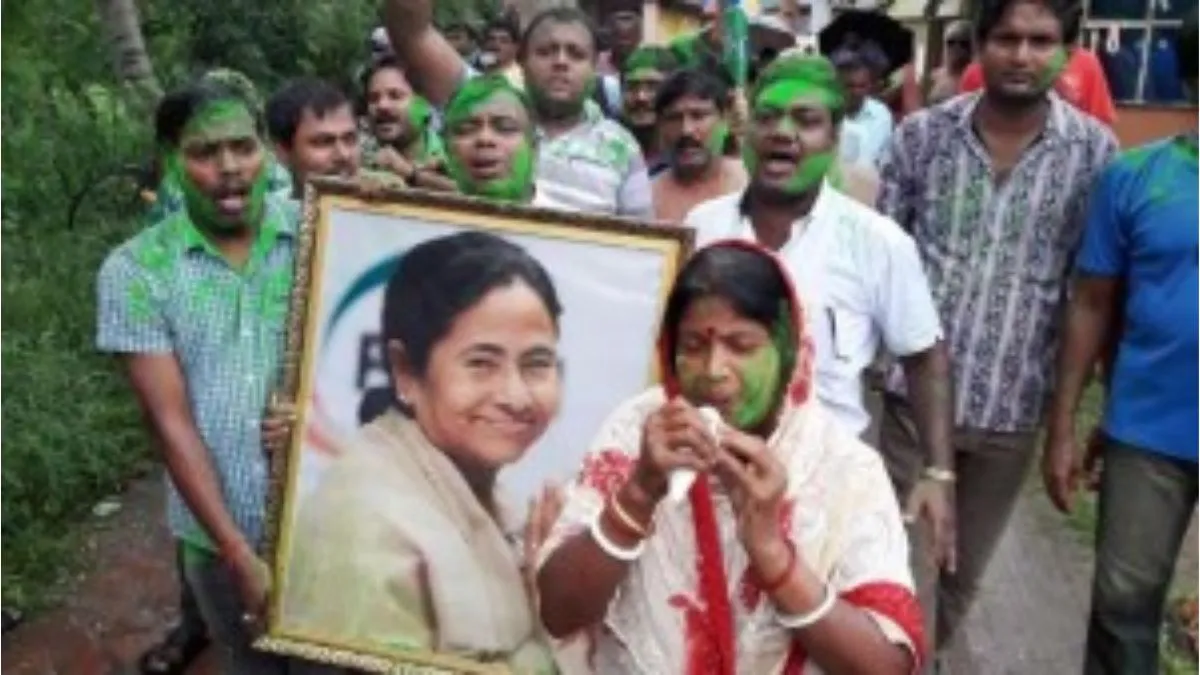
(Image Credits: AITC Official)
For Banerjee, the movement marked a crucial moment in her political journey, strengthening her image as a leader who stood against the then 30-year-old Left establishment and laying much of the political groundwork for the Trinamool Congress's historic victory in the 2011 West Bengal Assembly election.
Mamata Scripts Left's Exit From Bengal
Capitalising on the popularity she gained through Singur and Nandigram movements, Mamata Banerjee ended the 34-year-old Left regime in Bengal. Her party, along with the Congress-led UPA, won 227 seats out of the total 294 assembly segments in Bengal. TMC alone registered victory on 184 seats, enabling it to form the government on its own.
Mamata's alliance with the UPA was, however, very short-lived, and the two parted ways in 2012. Mamata Banerjee differed with the Congress on a number of issues, including the Foreign Direct Investment (FDI) rules and the hike in petrol and diesel prices.
"I cannot compromise on issues relating to the common people. I have no existence if I cheat the people," Banerjee had said while announcing an exit from the UPA.
For the next 8 years, Mamata Banerjee ruled Bengal without any opposition, as she continued to sweep every election she faced.
The Rise of BJP
Mamata Banerjee's first major setback since coming to power was the exit of her confidante and loyalist, Suvendu Adhikari, in 2020. And, as expected, Adhikari joined the BJP, which was still trying to expand its footprint in Bengal. Suvendu was not alone; a number of MLAs, MPs and local legislators joined the BJP with him.
Adhikari's exit paved the way for the BJP, but his resentment against the Mamata-led government did not yield any result as the TMC again emerged as the single largest party in the 2021 Assembly Elections, sweeping 215 seats out of a total of 294.
But the highlight of the election was not TMC's sweeping win, it was BJP's enormous rise in Bengal. The BJP, for the first time, emerged as the principal opposition in Bengal, winning 77 seats. It was big. The BJP had only won 4 seats in the last state polls. Mamata herself suffered a big setback and lost the election to Suvendu Adhikari from Nandigram. She had to vacate a safe seat and contested again from the Bhabanipur constituency to take the helm.
2026 Polls: Final Nail In The Coffin
Mamata tried everything to retain the state, but the 2026 polls humbled her and reduced the TMC to just 80 seats from 215 in 2021. And the BJP, it created history and formed its first-ever government in Bengal, winning 208 seats out of the total 294.
Mamata again suffered a crushing defeat against Suvendu Adhikari from the Bhabanipur seat. Adhikari went on to become the first BJP Chief Minister of the state.
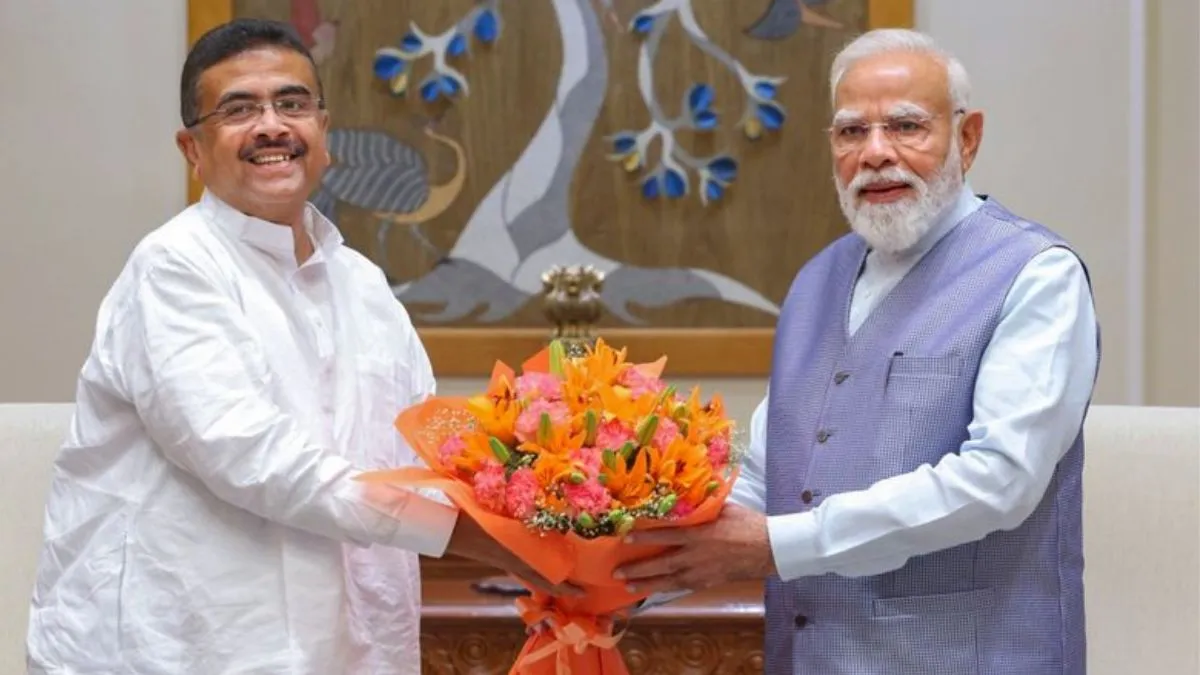
(Image Credits: PTI)
Then came a rebellion in the TMC.
What began as anger over the poll debacle soon turned into an open challenge to Mamata Banerjee's control over the TMC. Within days, questions were raised over the influence of Abhishek Banerjee and the role of political consultancy firm I-PAC, while several leaders and elected representatives began distancing themselves from the leadership.
ALSO READ: From Suvendu's Switch To BJP To Ritabrata's Revolt, How Abhishek Banerjee Factor Hurt Mamata's TMC
After Mamata's camp proposed Sobhandeb Chattopadhyay, TMC leaders Ritabrata Banerjee and Sandipan Saha alleged that signatures supporting the decision had been forged. They were expelled, but the move backfired, and 58 of the TMC's 80 MLAs rallied behind Ritabrata, who was recognised as the Leader of the Opposition.
The revolt then moved beyond the Assembly. Twenty TMC Lok Sabha MPs claimed to have broken away and aligned themselves with the BJP-led NDA, while two Rajya Sabha members resigned from the party. More than 100 municipal councillors also reportedly left or stopped functioning with the party, weakening the grassroots machinery that had sustained Mamata's political dominance in Bengal.
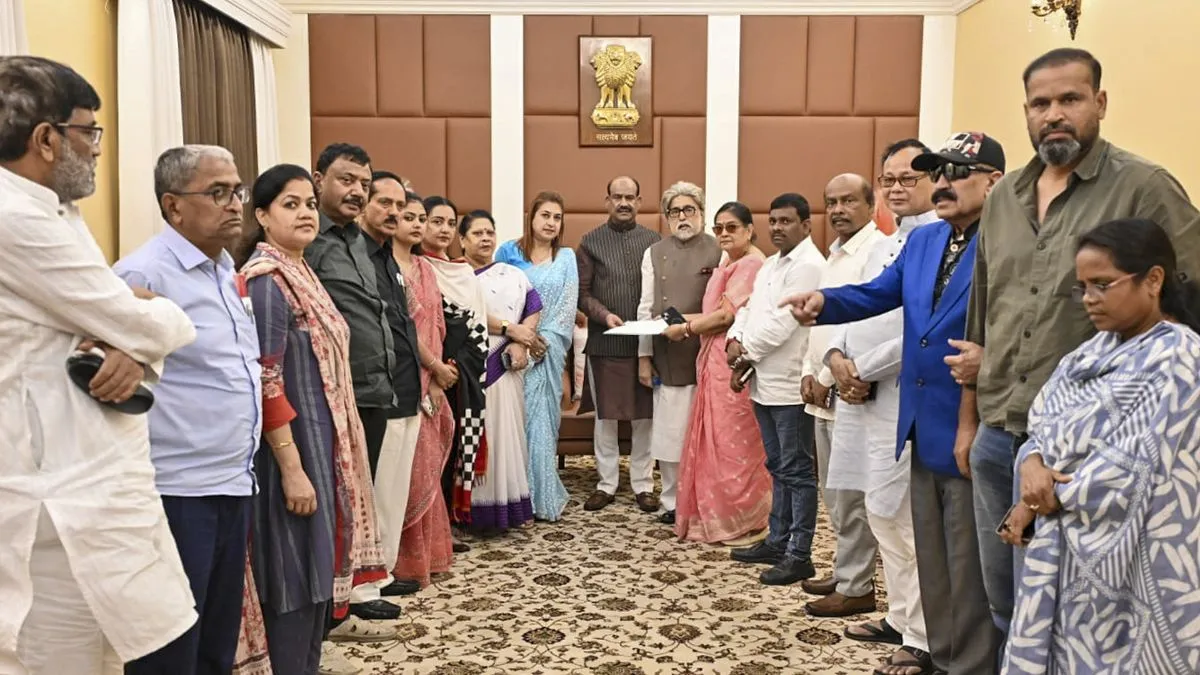
(Image Credits: PTI)
By July, the rebellion had become a direct battle for the TMC itself, with the rebel faction taking control of Trinamool Bhavan, putting forward its own leadership and approaching the Election Commission for recognition, the party name and the iconic two flower and grass symbol.
The crisis reached its most consequential stage on September 18, when the Election Commission formally acknowledged the split and froze the TMC's symbol and name, directing the rival factions to not use them in the upcoming bypolls in Nandigram and Rejinagar.
ALSO READ: 'Footballer vs Envelope' In Bengal's Khela 2.0 As Rival Trinamool Factions Get New Names, Symbols
In less than five months, the party that Mamata had built through rebellion was itself consumed by rebellion, stripping her of control over large sections of its legislature, parliamentary wing and organisational machinery. What remains contested is not merely who leads the TMC, but who gets to inherit the political organisation and legacy Mamata Banerjee built over nearly three decades.