

- Gen Z protests have increased across the globe in the last few years.
- From India's NEET row to France's crumbling schools, this generation is demanding accountability.
- Can this generation bring the necessary change in the system?
Gen Z Protests: A generation that grew up with smartphones, social media, and a smart-thinking approach, getting into the streets might seem like an unexpected move. But Gen Zs believe in what we say: 'expect the unexpected'. Across countries, this generation is increasingly raising their voice against various social and political issues, including corruption, unemployment, rising living costs, and VIP culture. They are also not behind when it comes to pointing out the government when it fails to address public concerns.
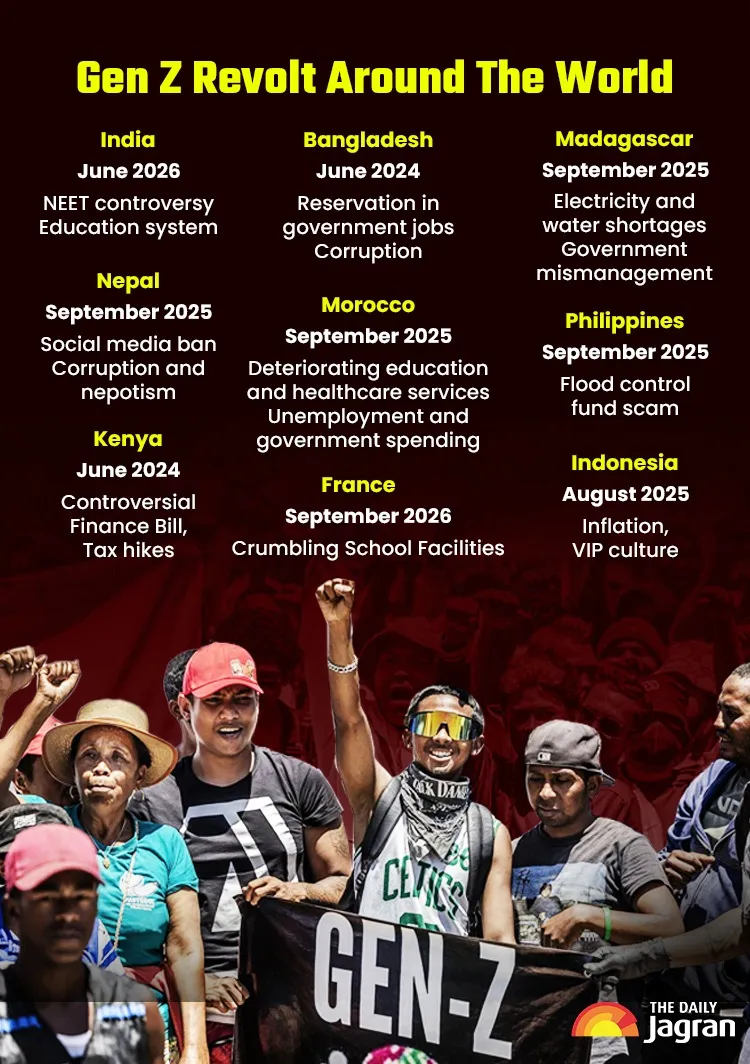
Not only in India, but Gen Zs from Bangladesh and Kenya to Nepal, Indonesia and the Philippines have been leading protests demanding accountability, fairness and a better future.
What's Driving These Global Protests?
- In India, Gen Z protests gained momentum from the NEET protests when students across the country took to the streets in July, 2026 and fought for a better education system, highlighting students' demands for transparency and fairness in competitive examinations.
ALSO READ: TVK Joins INDIA Bloc Protest For First Time Since ECI-SIR Row, Seeks CEC Gyanesh Kumar's Resignation
- In France too, students of Saint-Exupéry high school in Créteil took to the streets on September 17, 2026, to protest against the lack of resources and the necessary number of staff in the school. The protest became a massive revolt after the students started blocking the school's entrance on September 21, which disrupted the regular functioning. Although the matter got pacified, but it resulted in yet bigger campaign as new protests spread through Paris and then hit cities like Marseille, Lyon, Strasbourg, Toulouse and Lille.
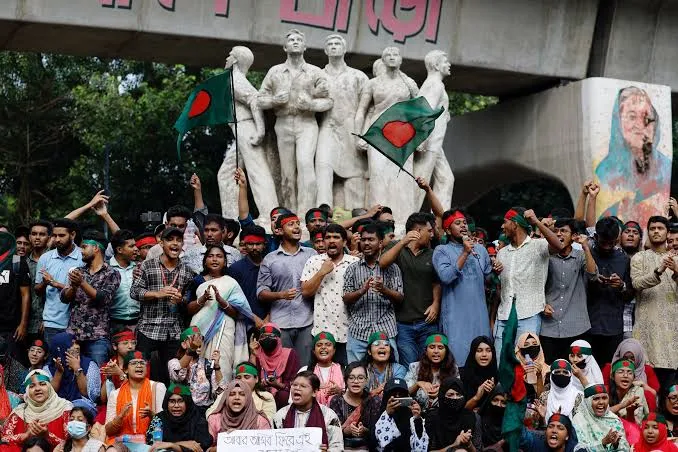
- In 2024, Bangladesh witnessed a similar student-led uprising in June over government job reservations, which grew into a broader movement against corruption and political mismanagement.
- In September 2025, Nepal witnessed a Gen Z protest over a social media ban, corruption and nepotism. Meanwhile, Indonesia witnessed demonstrations over the rising cost of living and anger against the VIP culture.
- Back in September 2025, the youth of the Philippines took to the streets to demonstrate against irregularities involving flood-control measures, raising questions about public spending and accountability.
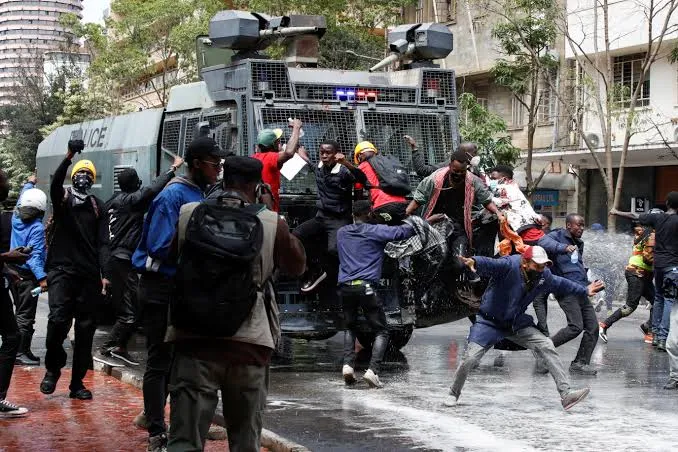
- Similarly, Kenya's June 2024 protests took place over a controversial finance bill and proposed tax increases. In Madagascar, shortages of electricity and water, along with government mismanagement, prompted public anger. In September 2025, Morocco's protests highlighted concerns over unemployment, inadequate education and healthcare services, and government spending.
ALSO READ: Imran Khan Asked To Leave India: Can OCI Cardholders Participate In Protests In India? What Law Says
Why Have Gen Z Protests Increased in the Last Few Years?
Irrespective of different cultures, distance, or differences in opinion, this young generation is linked by a common thread- growing frustration with systems that young people believe are failing them.
The prevailing issues of unemployment, economic uncertainty, a corrupted education system and limited opportunities have made the future difficult to navigate. Therefore, social media has become a way for young protesters to organise, voice, share their opinions and make their demands heard beyond national borders.
However, digital activism is only a small part of the story. The screen may bring young people together, but real-world frustrations have made them hit the streets.
These protests are kind of a warning for the governments and administrations. They no longer rely on promises; rather they want results. The generation wants transparency, accountability, and meaningful change. Now, will these revolts bring the necessary change? That remains to be seen. But one thing is clear- Gen Zs do not want to stay silent anymore.