

- By Shubham Bajpai
- Fri, 05 Dec 2025 03:53 PM (IST)
- Source:JND
Smog Stories: The past couple of months have reignited the concerns over rising air pollution in Delhi. With the onset of autumn and its gradual shift into chilling winters, toxicity in the air takes a central stage in national discourse annually. Delhi faces the brunt of the air pollution the most, but the less discussed parts of India, especially the southern and western parts, are also seeing a significant rise in air pollutants in the recent past.
What drew national attention is the rising pollution in Mumbai, the financial capital of India. The air quality in Mumbai remained in the 'moderate' category, but smog started covering the skies, and mornings started to be hazy, prompting concerns. As a result, the Brihanmumbai Municipal Corporation (BMC) is enforcing the Graded Response Action Plan-4 (GRAP-4) in selected parts of the city.
Areas like Mazgaon, Malad, and Deonar have consistently reported 'poor' air quality throughout November and even slipped into the 'very poor' category.
Indian environmental activist and lawyer Afroz Shah said that he has been living in Mumbai since childhood, but the pollution level has never been like this before. He said, "This happens during the winter season. I have lived in Mumbai since childhood, and I have never seen pollution like this before, with the AQI reaching 250–300."
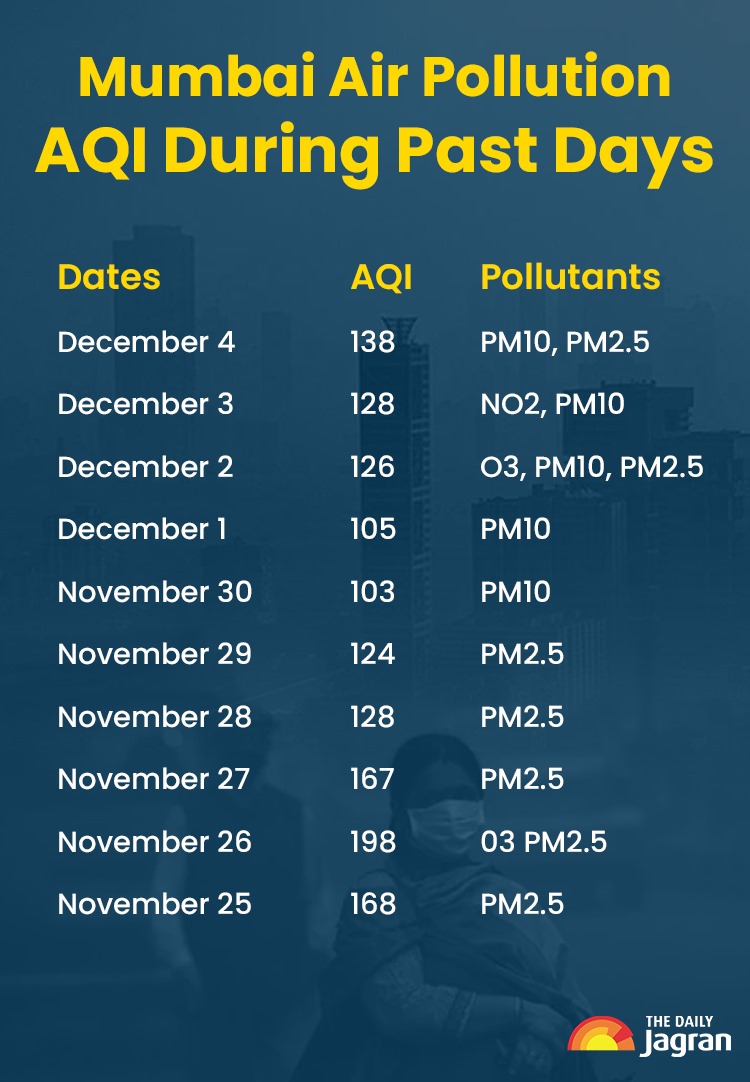
What led to the rise in Mumbai air pollution?
The immediate cause of the recent toxicity in Mumbai's air is not yet fully understood. However, the ongoing construction projects are believed to be a big contributing factor. In response to the rising pollution, BMC enforced GRAP 4 and banned all construction activities on December 1. Notices were issued to 50 sites to halt the work immediately and flying squads were deployed to ensure the full implementation.
ALSO READ: Smog Stories: How Much Green Cover Does Delhi Have? Is The Greenery Enough To Beat The ‘Toxic’ Air?
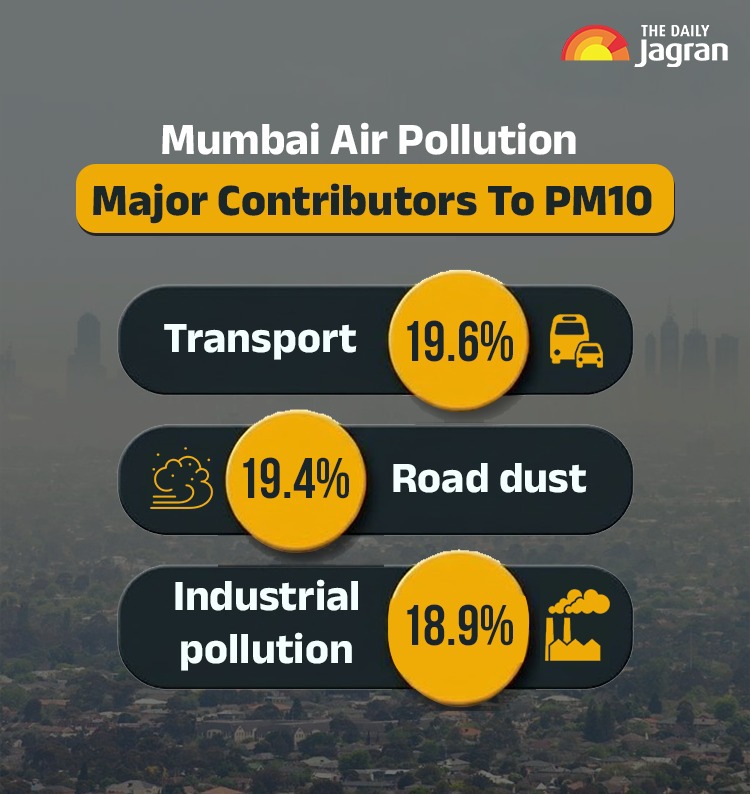
According to a 2024 study published in the Urban Climate journal of Science Direct, the main contributors to PM10 in Mumbai were: Transport (19.6%), windblown road-dust (19.4%), and the industrial sector (18.9%). The report also stated that municipal solid waste burning was emerging as a new source of Mumbai air pollution.
Mumbai Air Pollution: Alarming effect on residents
The rise in air pollution is taking a toll on human health and COPD, asthma and ILD cases are rising rapidly. Dr Priti Meshram, Professor and Head of Pulmonary Medicine at Grant Government Medical College and Sir JJ Hospital in Mumbai, said that the AQI worsens generally in winter and affects everyone, whether ill or not.
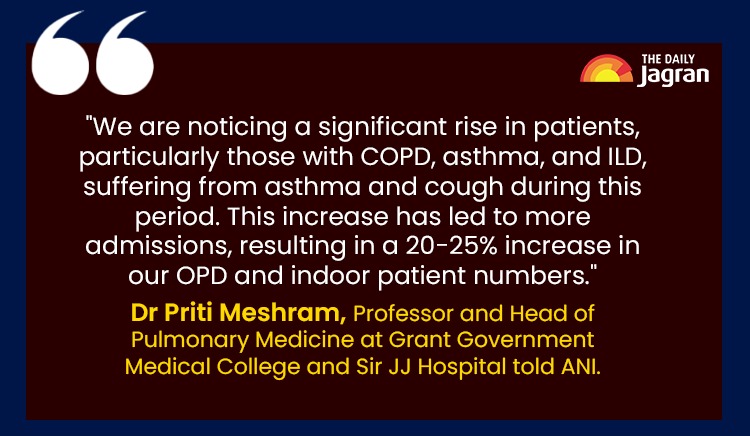
"I've noticed that, generally, during the winter months or colder days, the air quality index is consistently poor. This affects everyone, whether they have an illness or not. Healthy people generally experience it like a viral infection, such as a sore throat, frequent coughing, frequent colds, and watery eyes. We are noticing a significant rise in patients, particularly those with COPD, asthma, and ILD, suffering from asthma and cough during this period. This increase has led to more admissions, resulting in a 20-25% increase in our OPD and indoor patient numbers," she said.
Air Pollution Reaches Southern Parts Of India
While Delhi makes frequent headlines with its challenges pertaining to air pollution, concerns in Mumbai have prompted questions about pollution levels in the air of major cities in the southern part of the country. In November, Hyderabad witnessed some of its most polluted days of the year. On November 28, the AQI at several stations crossed 200. At Hyderabad Central University, the AQI was 209, a rare sight in the city surrounded by coastal regions.
Similarly, Bengaluru's air quality index also saw a rise, with the AQI crossing the 100-mark in recent days. During mid-November, the AQI in the city was hovering in the 'moderate' category at around 110. At some stations, it neared 200.
Chennai, on the other hand, registered its season's worst air quality on November 16 as AQI was recorded at 142. Although the air quality was in the moderate category in all these cities, the level is harmful enough for humans to trigger serious health concerns if the situation persists. The trend of rising air pollution to alarming levels is not just limited to big cities; the effect is visible across tier-2 and tier-3 cities in South India.
ALSO READ: Smog Stories: What Is GRAP? How Does It Impact Delhi’s Air Quality Index | Explained
Why is AQI rising across South Indian cities?
The factors like toxic industrial and vehicular emissions, road and construction dust, among others, worsen air quality, but the pollution aggravates in winters because of certain weather conditions too.
According to an analysis by the Centre for Science and Environment in 2022, the air pollution in southern cities remains below the pre-pandemic level but is losing the gains because of a rise in toxicity, especially in winters. With the sea and well-ventilated atmosphere, southern states are at an advantage over northern India in fighting pollution.
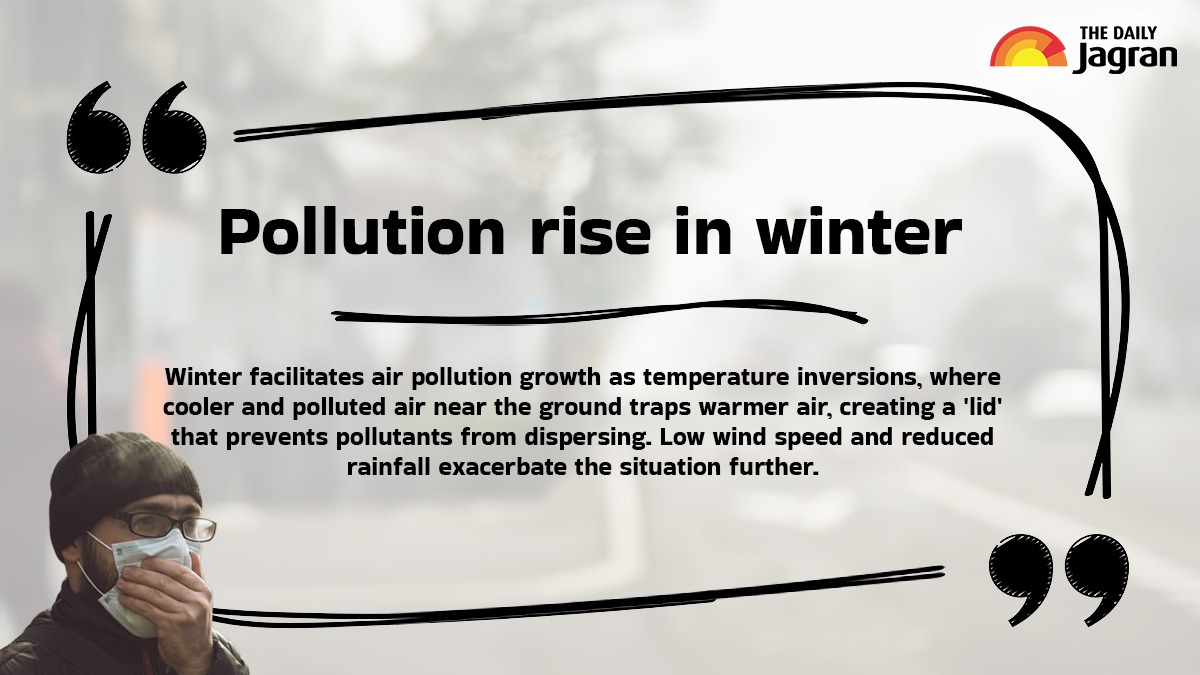
However, winter poses serious challenges to these states. In winter, temperature inversions take place, where cooler and polluted air near the ground traps warmer air. This creates a 'lid' that prevents pollutants from dispersing. Among other natural factors is the low wind speed and reduced rainfall. These weather change phenomenon leads to the accumulation of harmful particles in the air.
(This article is part of the series 'Smog Stories'. To read more articles in the series, click here)