
- By Prerna Targhotra
- Fri, 22 Dec 2023 06:02 PM (IST)
- Source:JND
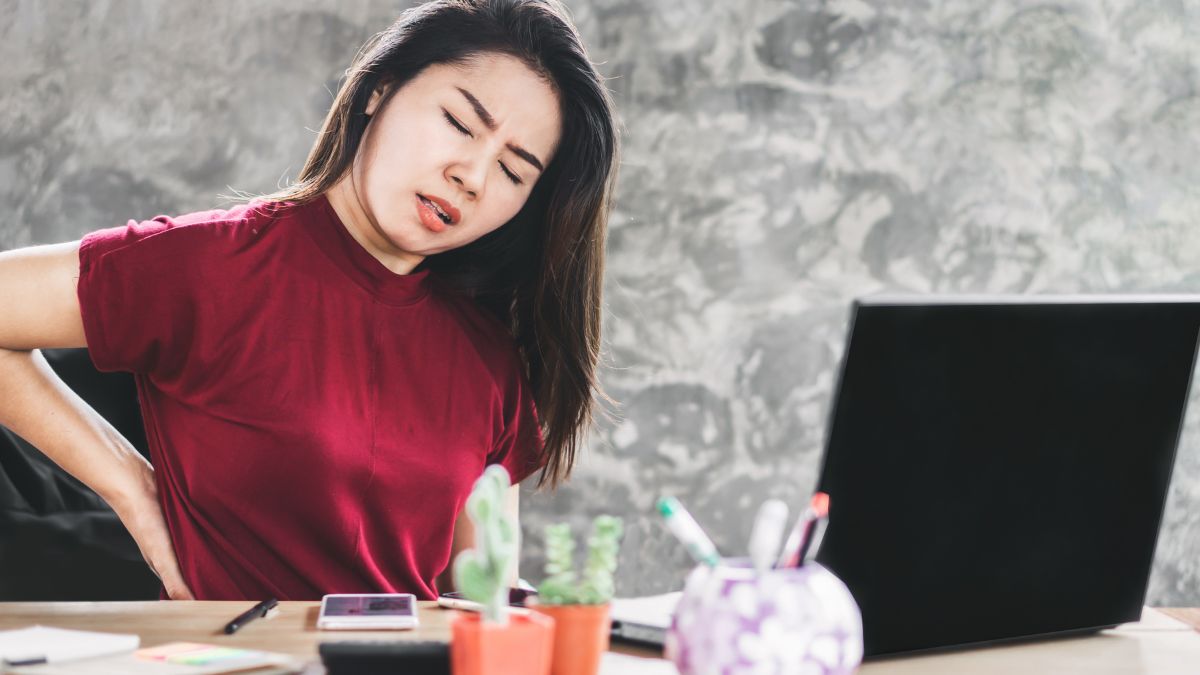
Effects Of Sitting For Long Hours: Whether at a work station or home, sitting for long hours can have detrimental effects on overall health. Sitting for a long duration without any breaks can cause stiff muscles and increases the risk of numerous chronic health conditions such as heart diseases, diabetes and some cancers. Moreover, when you sit for longer hours, it also has a significant impact on one’s mental health. Here are some ways in which sitting for long can affect one’s health.
1. Weight
According to Better Health Channel, moving your muscles helps your body digest the fats and sugars you eat. If you spend a lot of time sitting, digestion is not as efficient, so you retain those fats and sugars as fat in your body.
2. Legs And Glutes
Prolonged sitting can lead to weakening of the large leg and gluteal muscles. This is because it is extremely important to walk in between while taking breaks to prevent stiffened muscles. Weaker muscles are more likely to get injured and cause severe pain with increasing age.
3. Heart Health
According to WebMD, people who sit most of the day, and conductors or guards, don’t. Though their diets and lifestyles were a lot alike, those that sat were about twice as likely to get heart disease as those that stood.
4. Dementia
When you sit for a long time, your brain may look like someone with dementia. Prolonged sitting can cause a raise in blood pressure, cholesterol levels, diabetes, stroke and high blood sugar. Moving throughout the day can help even more than exercise to lower your risk of all these health problems, as per WebMD.
5. Anxiety And Depression
You may not know that when you sit for longer hours continuously, it may affect your mental health as well. It can increase the risk of anxiety and depression in people who sit for continuous long periods. This can be because people spending a lot of time sitting may miss the wonderful effects of engaging in physical activity.
(Disclaimer: This article is for informational purposes only. It is not a substitute for professional advice, diagnosis or treatment.)