

- By Priyanka Munshi
- Sat, 18 May 2024 10:16 AM (IST)
- Source:JND
Eating easy-to-digest breakfast items is advantageous since they provide a gentle start to the day for your digestive system. Foods that are easy on the stomach and rich in energy, such as sweet potatoes, bananas, and papayas, also supply vital nutrients. Better digestion, less bloating, and consistent energy levels throughout the morning can result from this, ensuring that you feel at ease and focused when you start your day.
Furthermore, foods that are simple to digest can aid in preserving a healthy metabolism and avoiding gastrointestinal distress. Therefore, we've included a list of some fruits and foods that you should start having for breakfast.
Papaya
Papayas help with digestion and detoxification since they are high in proteolytic enzymes, antibacterial properties, and vitamins A, B, and C. Additionally, for those with digestive issues, papaya extracts help with bloating, constipation, and heartburn.
Sweet Potato
Sweet potatoes are a healthy source of fiber that promotes healthy digestion and nutrient absorption, according to NIH.
Banana
Rich in fiber and pectin, bananas facilitate regular bowel movements and the breakdown of carbohydrates.
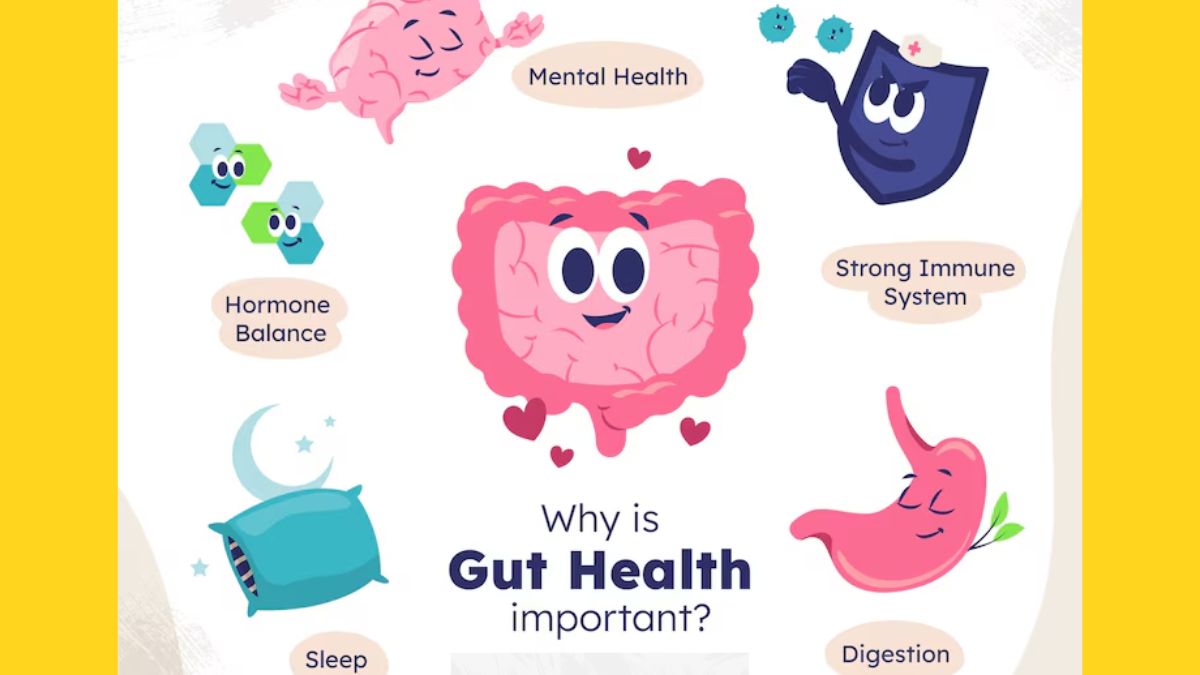
Easy-to-digest foods also aids bone health, cardiovascular function, cholesterol reEulation, and immune system.(Image Credit:Freepik)
Beetroot
Beets support digestion and bowel movements due to their high fiber content.
Apple
In addition to being high in fiber, vitamins, and minerals, apples provide antioxidants that reduce gastrointestinal damage. Pectin improves digestion by encouraging the growth of gut health.

All these easy-to-digest foods can be added to salads, soups, quinoa dishes, smoothies, and pasta sauces.(Image Credit:Freepik)
Broccoli
In addition to being high in fiber, vitamins, and minerals, broccoli helps with bowel movements, fullness, and maintaining a healthy digestive tract. It also supports the immune system, cardiovascular health, cholesterol control, and bone health, according to NIH.
(Disclaimer: This article is for informational purposes only. It is not a substitute for professional advice, diagnosis or treatment.)