

Drinking 8 glasses of water per day is a quick and effective technique to improve good health. The vital component of life is water, and being properly hydrated is crucial for our health. Drinking enough water stimulates digestion, aids in controlling body temperature, and removes toxins from the body. Our joints remain lubricated, and our skin remains radiant.
Furthermore, maintaining a healthy level of hydration can improve mood, increase energy levels generally, and improve cognitive performance. Make it a habit to drink those 8 glasses of water each day, and you'll be taking a big step in the direction of living a healthy life, according to Harvard Mediacal School. As a result, we've compiled a list of some of the incredible health advantages of daily water consumption.
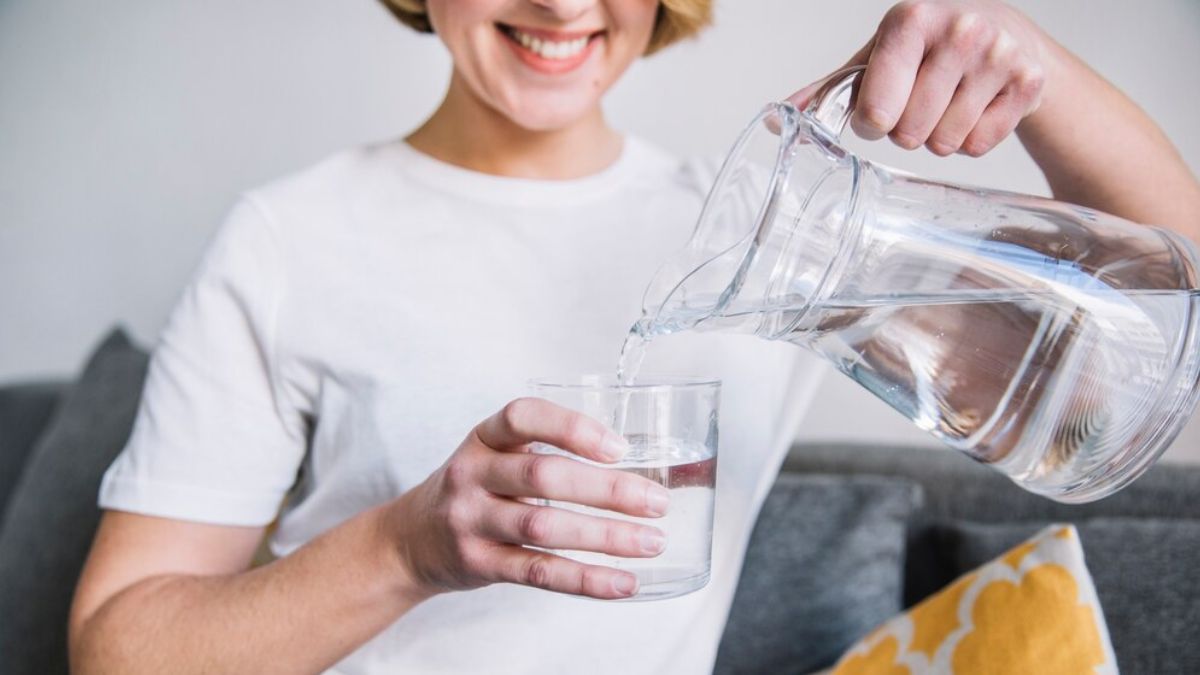
Make it a habit to drink those 8 glasses of water each day, and you'll be taking a big step in the direction of living a healthy life. (Image Credit: Freepik)
Weight Loss
Regularly drinking 8 glasses of water has several advantages, one of which is that it promotes weight loss, according to NIH. Juices and sodas contain a lot of sugar, which can make you gain weight if you drink them a lot. In contrast, water has no calories and can fill you up and help you resist cravings.
Recommended For You
Boosts Energy
Getting enough water throughout the day will help you stay alert and minimize lethargy and drowsiness. It mitigates the side effects of caffeine use, such as jitteriness and energy slumps. Water combats the adverse impacts of dehydration on mood and energy levels.
Also Read: Top 5 Food Items That You Must Add Into Your Diet For Lowering The Blood Pressure
Enhances Skin
By reducing wrinkles, dryness, and some skin conditions, adequate hydration greatly enhances skin clarity and health. Also, collagen, which is plump and delays premature aging and is 60% water by weight, provides a young appearance, according to NIH. The advantages of drinking water are also influenced by other elements, such as genetics and sun exposure.

Regularly drinking seven glasses of water has several advantages, one of which is that it promotes weight loss. (Image Credit: Freepik)
Good For kidney
Since the kidneys filter fluids, control fluid levels, and maintain electrolyte balances, enough hydration is essential for renal health. Kidney stones can result from a lack of water since it dissolves minerals and flushes out waste. Inadequate water intake can result in kidney stones and make the kidneys work harder, which could eventually cause chronic kidney disease and failure.
Brain Function
Water works to give fluid cushioning and protection, which is essential for brain function. Dehydration alters the neurotransmitters and hormones required for short-term memory, attention, and reasoning. While dehydration impairs these processes, adequate hydration encourages clear thinking and good brain function.
Good For Digestive System
Water is essential for the digestive tract as it helps with saliva production and healthy intestinal function. Without enough water, the stomach experiences higher acid concentrations, which can lead to symptoms of gastrointestinal distress such as heartburn, constipation, and stomach ulcers. Water helps bulk up dietary waste and dilutes stomach acid, enabling effective transit of waste through the body.
Blood Pressure Regulation
Since dehydration can thin blood vessels and even harm internal organs, drinking enough water is essential for regulating blood pressure. Also, it supports maintaining healthy blood pressure and blood consistency, according to NIH. Before giving blood, drinking water can help lower your risk of fainting.
Also Read: 5 Healthy Drinks To Sip Before Going To Bed For Better Sleep
Joint Health
Water is essential for joint health because it lubricates joints and reduces friction and pain. Joint pain might result from a cartilage's reduced ability to absorb shock. Enough water consumption guarantees pain-free, easy mobility and prevents chronic dehydration.
(Disclaimer: This article is for informational purposes only. It is not a substitute for professional advice, diagnosis or treatment.)