
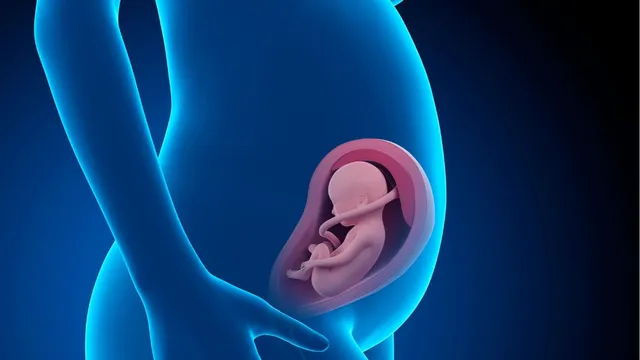
Breast cancer during pregnancy, although rare, can pose unique challenges to both the mother and the developing foetus. The diagnosis of breast cancer during pregnancy, also known as gestational breast cancer, is most common in women aged 32-38 and is typically diagnosed in the second or third trimester. While breast cancer itself does not directly affect the foetus, the treatment and management of the disease can have potential implications for both the mother and the unborn child.
In a conversation with Jagran English, Dr Ankur Bahl, Senior Director - Medical Oncology, Fortis Memorial Research Institute, Gurugram explained how breast cancer can affect a foetus.
According to Dr Bahl, pregnancy can complicate the early diagnosis of breast cancer because the hormonal changes that occur during pregnancy often cause breast tissue to become denser and lumpier, making it harder to detect abnormalities.
The potential risks to the foetus are primarily related to the treatment options. Different treatments are administered based on the cancer’s stage and the trimester of the pregnancy:
1. Surgery: Surgery, such as a lumpectomy or mastectomy, is generally considered safe during pregnancy. The risks to the foetus are minimal, especially when surgery is performed during the second and third trimesters.
2. Chemotherapy: Chemotherapy can be administered safely during the second and third trimesters when the foetus’s major organs have already developed. However, chemotherapy is usually avoided in the first trimester due to the higher risk of birth defects or miscarriage.
3. Radiation Therapy: Radiation is generally avoided during pregnancy due to its potential to harm the developing foetus. If radiation is needed, it is typically postponed until after delivery.
4. Targeted Therapy and Hormonal Therapy: These therapies are often avoided during pregnancy because their safety profiles for the foetus are not well established.
In conclusion, though breast cancer itself does not affect the foetus, the treatment can result in preterm birth, low birth weight, or growth restrictions, especially if chemotherapy is involved. However, many women with breast cancer during pregnancy go on to have healthy babies.
Recommended For You
ALSO READ: Does Breast Size Increase Breast Cancer Risk? Doctor Explains
ALSO READ: Can Men Also Develop Breast Cancer? Doctor Shares Who Is At Risk And Warning Signs