
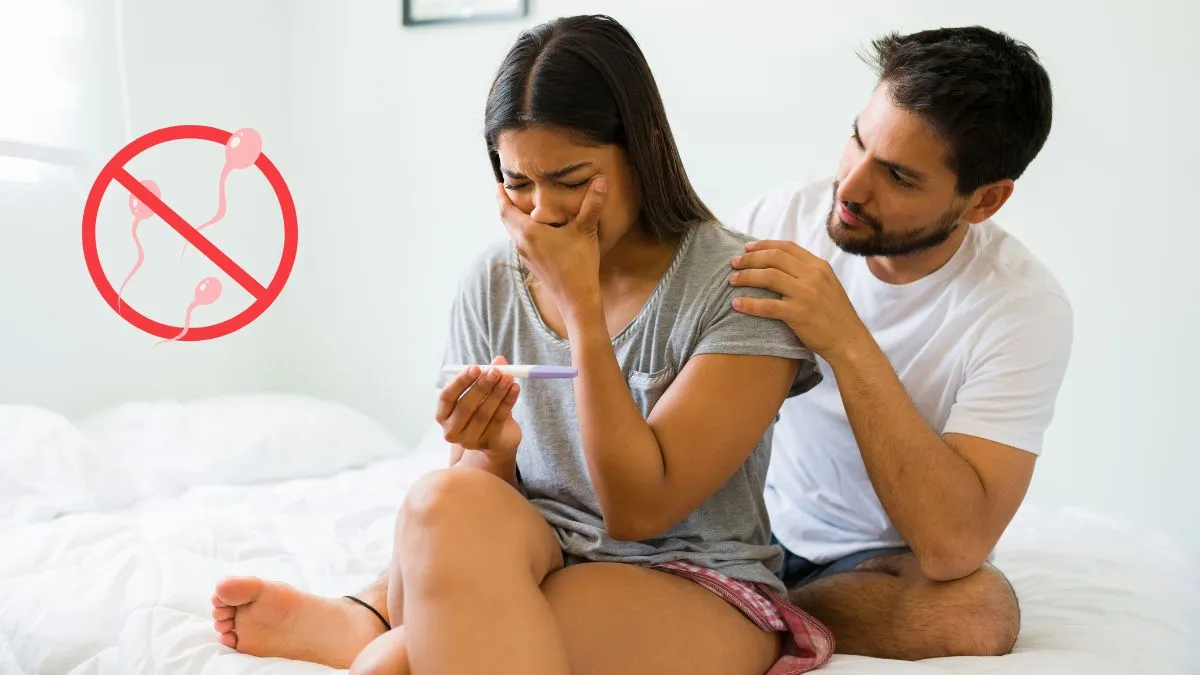
For couples trying to grow their family, the journey to conception can be both exciting and challenging. However, when conception doesn’t occur as quickly as anticipated, it can lead to frustration, uncertainty, and even emotional distress. One of the most common questions among individuals struggling with fertility is how long they should try to conceive naturally before seeking medical help. Understanding the right time to seek guidance can ensure that couples get the support they need while avoiding unnecessary delays in addressing potential fertility issues. In a conversation with Jagran English, Dr. Lavanya R, Fertility Specialist at Nova IVF Fertility, Whitefield and Sarjapur in Bangalore, talked about how long you should try to conceive before seeking help for infertility.
Understanding The Basics Of Fertility
It’s essential to remember that while many couples will conceive within the first few months of trying, others may need more time. Fertility specialists generally recommend that couples try to conceive for a certain duration before seeking professional advice. This period is based on the principle that, for the majority of healthy couples, it can take several months to conceive naturally.
For most couples under the age of 35, it is advised to try to conceive for at least one year, and for six months for women above 35 years, before seeking help. The first 12 months are typically enough time for a healthy couple to experience natural conception. If you’ve been trying consistently for a year without success, it may be time to consult a fertility specialist. However, it’s important to note that lifestyle factors, stress, and timing can all influence the chances of getting pregnant during this period.
Recommended For You
Special Considerations For Women Over 35
For women over 35, the biological clock is a significant consideration. As a woman ages, her fertility declines naturally, and the chances of conceiving each month decrease. Because of this decline in fertility, fertility specialists usually advise that women over 35 seek help after trying for six months. This recommendation helps address any age-related issues early on, potentially leading to quicker interventions.
Other Things To Think About
Age is one factor that could determine when it is necessary to seek medical care, but that is not all. Irregular menstruation might be an indication of hormonal imbalances or other conditions that can prevent conception. If a woman has irregular periods or none at all, she should consult a doctor as soon as possible to identify the cause and receive appropriate treatment.
Other conditions, including endometriosis, polycystic ovary syndrome, or previous pelvic infections, may also impact fertility. Individuals with such conditions should seek medical advice early on, as reproductive treatment may be necessary to enhance their chances of conception.
Male fertility is another factor to consider. If a woman has been trying for a year or more—or six months if she is over 35—a semen analysis can be a valuable first step in identifying potential male infertility factors. Evaluating both partners' fertility health ensures a comprehensive approach to conception.
At last, in a conversation with Jagran English, Dr. Lavanya R, Fertility Specialist at Nova IVF Fertility, said:
“While many people recommend trying for a year before going to see someone for fertility help, the ideal time to see a specialist depends on individual circumstances such as age, health status, and existing conditions. If you are experiencing anxiety and pressure regarding fertility, you can reach out to a healthcare provider for advice and encouragement. The sooner infertility is addressed, the better the chances of successful treatment and, in the end, the realization of your dream of becoming a parent.”