
- By Prerna Targhotra
- Fri, 11 Oct 2024 05:47 PM (IST)
- Source:JND
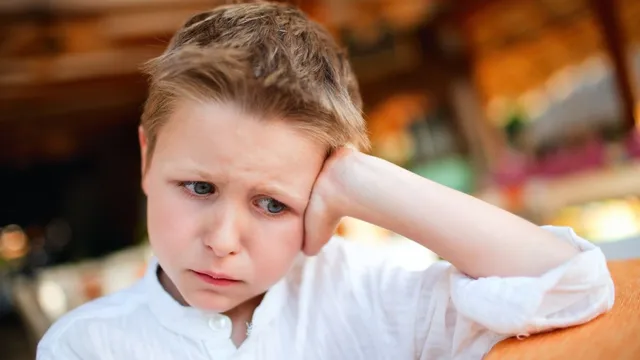
Vision Problems In Children: Early detection is imperative in identifying any vision problems in Children since they would not understand or say that they have any eye-related issues. To recognise the warning signs in children, families and teachers must conduct a thorough examination.
From birth till 4 months, the vision in infants is developing, so it's normal for the eyes to have misalignment or squinting, which gradually disappears. Squint eyes beyond 4 months is a warning sign and requires an eye exam. Dr. Priyanka Singh (MBBS, MS, DNB, FAICO), Consultant & Eye Surgeon, Neytra Eye Centre, New Delhi listed some important warning signs that parents should watch out for in their children for eye problems.
Things to watch out for vision problems in babies:
- Squinting of eyes beyond 4 months
- If eye movement is not in all directions
- If the baby rubs or squeezes the eyes excessively.
- Slowing down developmental milestones.
- The baby does not open its eyes in normal lights
- The shape of the eyeball or the level of the eyelid is different or incorrect.
- The baby has a white or grey colour pupil
- The baby cannot catch or track any objects that are placed near him/her.
- The baby often bangs on nearby objects or walls while attempting to walk.
Signs To Look For In Toddlers Or School Children
- Occasional or continuous Squinting of the eye
- Frequent rubbing of eyes
- Tilting your head or slanting your eyes to one side when watching TV or reading.
- Reading or watching TV very closely.
- Unable to copy texts or lessons from the board at school or unable to concentrate on school work.
- Redness or pain in eyes that doesn’t go away in a few days
- Twitching or blinking eyes frequently
- Incapability of opening eyes in normal sunlight
- Recurrent eyelid infections
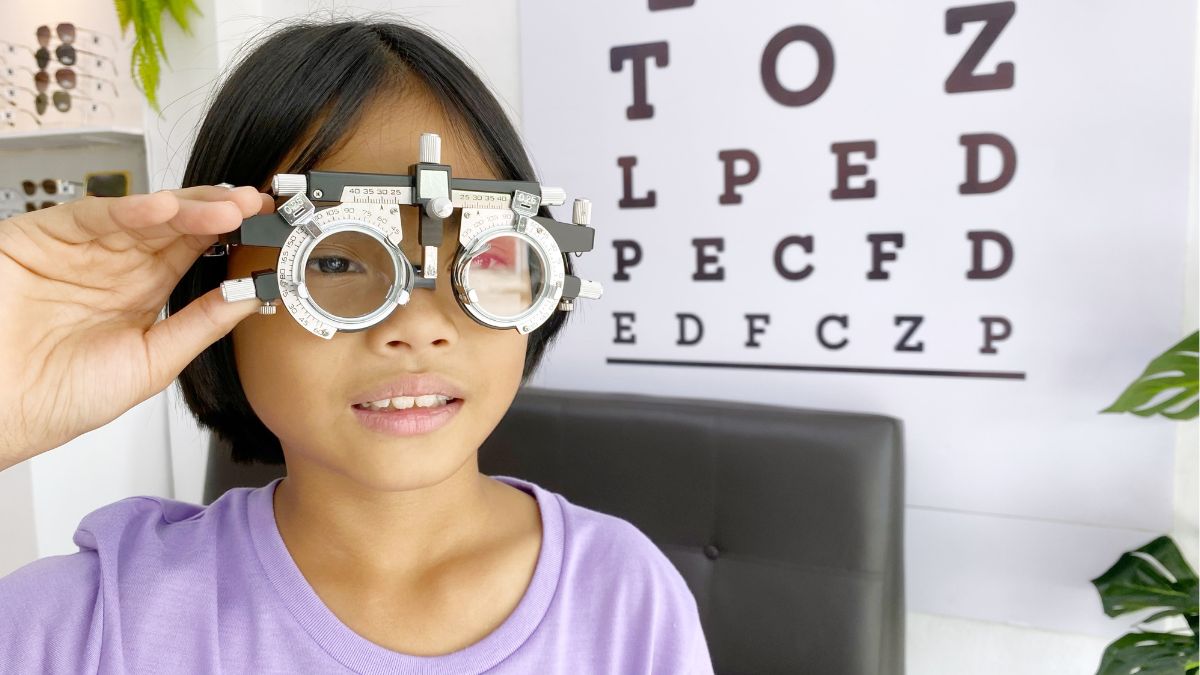
Monitoring these symptoms and visiting an ophthalmologist can help control disease or vision problems at an early stage.
Some common vision problems that can affect children include Myopia (nearsightedness), Astigmatism (cornea not curved properly) and Anisometropia, (uneven refractive power in both eyes), Amblyopia (lazy eye) and Strabismus (Squint/Cross Eyes).
If not tested in time it can lead to amblyopia or strabismus (strabismus) and permanent vision loss in later life. However, some diseases such as amblyopia or lazy eye do not have any warning signs. Therefore, annual eye exams are necessary for children and they should be done at preschool age, around 3-4 years of age, to detect any refractive errors.
ALSO READ: Worst Foods For Eye Health: Avoid These 5 Foods To Prevent Eye Diseases
ALSO READ: What Causes Blurry Vision During Pregnancy? Know From Expert