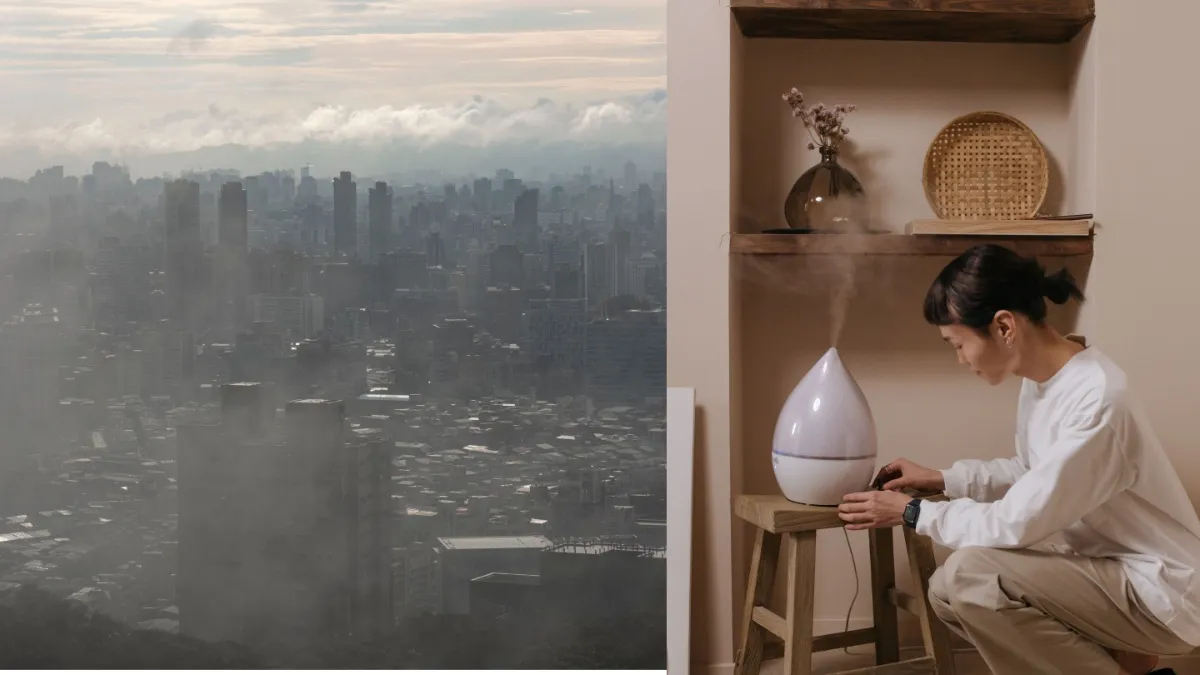
During peak winter months, smog and dust become a serious problem as AQI rises. Learning how to shield and protect your home is a must. From sealing gaps around your windows and doors, to cleaning your homes using a microfibre cloth; learn how to take care of your house this winter.
5 Ways To Protect Your Home From Dust And Smog This Winter
From investing in a good air purifier, cleaning your home with a microfiber cloth, sealing all the gaps of doors and windows, and much more; know how to protect your home from winter smog and dust using this guide.
1. Keep Windows And Doors Closed During Peak Pollution Hours
Shielding your home from outdoor smog and dust during winter is crucial. Start with controlling airflow inside your house when AQI goes up and smog and dust start entering your home.
Recommended For You
What To Do: Keep all windows and doors of your home shut during early mornings and late evenings as that is the peak time for smog and dust to enter. Always check local air quality reports to stay updated.
2. Invest In A Good Air Purifier
Buying a quality air purifier with a True HEPA filter helps capture different types of airborne particles, toxic dust, and allergens which can affect your health badly at home.
What To Do: Choose an air purifier that fits your room size and check its ‘Clean Air Delivery Rate’ (CADR). Place air purifiers in spaces like bedrooms and living rooms, and replace filters regularly for better air quality.
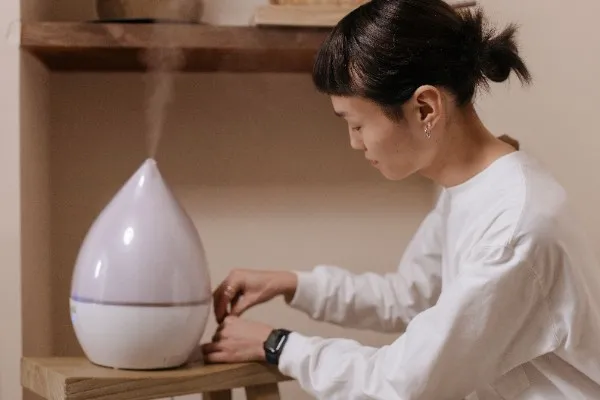
Invest in a good air purifier (Image Credits: Pexels)
3. Clean Your Home Using Microfibre Cloths
Dry dusting simply spreads dust back into the air as it fails to capture fine dust and smog particles. This only leads to harming your body during winters.
What To Do: Wipe down every place in your home using a damp microfibre cloth. Microfibre cloth traps fine dust particles effectively, making it a great daily cleaning tool to prevent heavy dust flowing in your home during winter.
4. Pay Attention To Carpets And Curtains
Soft fabrics can easily absorb dust, smog, and dirt. Protect your home this winter by vacuuming carpets, sofas, and rugs on a regular basis.
What To Do: Wash cushion covers, bedsheets, and curtains often, and vacuum your house regularly or opt for lightweight fabrics to maintain it easily during winters.
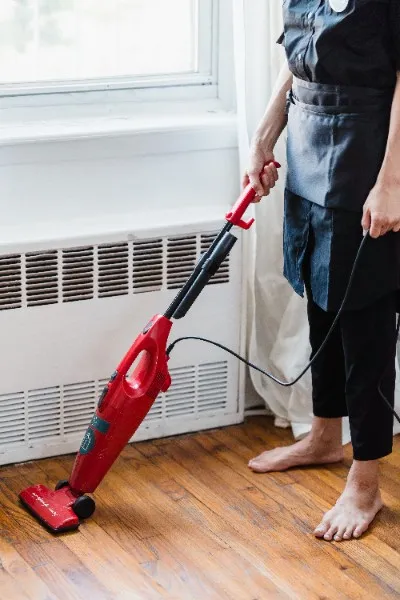
Regularly clean your home for a fresher environment (Image Credits: Pexels)
ALSO READ: Escaping The Smog: 5 Getaway Destinations Where You Can Actually Breathe This Winter 2026
5. Seal Gaps Around Windows And Doors
Tiny gaps near window frames and doors left open can let toxic winter smog and dust enter your house. Keep an eye on older windows and patio doors where gaps usually appear during cold months.
What To Do: Do a thorough check of your house for cracks and gaps, and apply sealants to block toxic smog. You can also replace old doors and windows with new ones.
Strategy | Problem Solved | Key Action |
Peak-Hour Closures | Blocks heavy outdoor smog (PM2.5) | Keep windows and doors shut during early mornings and late evenings. |
HEPA Purifier | Removes suspended toxins and fine dust | Use a True HEPA unit matched to room CADR; replace filters on time. |
Microfiber Wiping | Prevents settled dust from re-entering air | Clean surfaces using damp microfiber cloths instead of dry brooms. |
Fabric Maintenance | Clears trapped dirt and soot in soft textiles | Vacuum rugs and sofas often; wash curtains and cushion covers. |
Draft Sealing | Stops leaks through frame cracks and sills | Apply weatherstripping or caulk around older windows and doors. |
ALSO READ: 5 Low-Light Indoor Plants For Winters, Ideal for Purifying A Smoggy Bedroo
FAQs
When is the best time to ventilate my home during the winter to avoid smog and dust?
The best time to ventilate your house during peak winters with high AQI is 12 PM to 4 PM. As the sunlight is high at this time and it disperses most smog and dust during the day lowering AQI for a while.
Can I replace an air purifier with indoor plants during winter to keep smog and dust away?
No, indoor plants cannot replace a true HEPA filter air purifier as they can’t filter out fine dust particles and smog from your house. So, investing in a good air purifier for your house is a great option to improve your indoor air quality.
Why does dry sweeping or feather dusting make winter allergies worse?
When you dry sweep or use a feather duster, it spreads the dust particles in the air instead of removing it which stays in the air for a long time. You end up inhaling it which ultimately makes your winter allergies worse. So, instead use a damp microfibre cloth to wipe your house for a cleaner house.