
- By Prerna Targhotra
- Wed, 13 Sep 2023 10:17 AM (IST)
- Source:JND
Nipah Virus Alert In Kerala: On Tuesday, the Kerala Health Minister Veena Gorge said that two more people, including a nine-year old boy got infected with nipah virus. Earlier, the Kerala Health Department had issued a health alert in Kozhikode district after two ‘unnatural’ deaths that are suspected to be caused by Nipah virus infection. The deaths in Kerala from this virus have once again elevated the fear of its transmission.
The state Health Minister Veena Gorge, after the two unnatural deaths, held a high-level meeting to discuss and review the situation, said the health department in a statement. Here is everything from causes, symptoms and treatment that you should know about the Nipah virus.
What Is Nipah Virus?
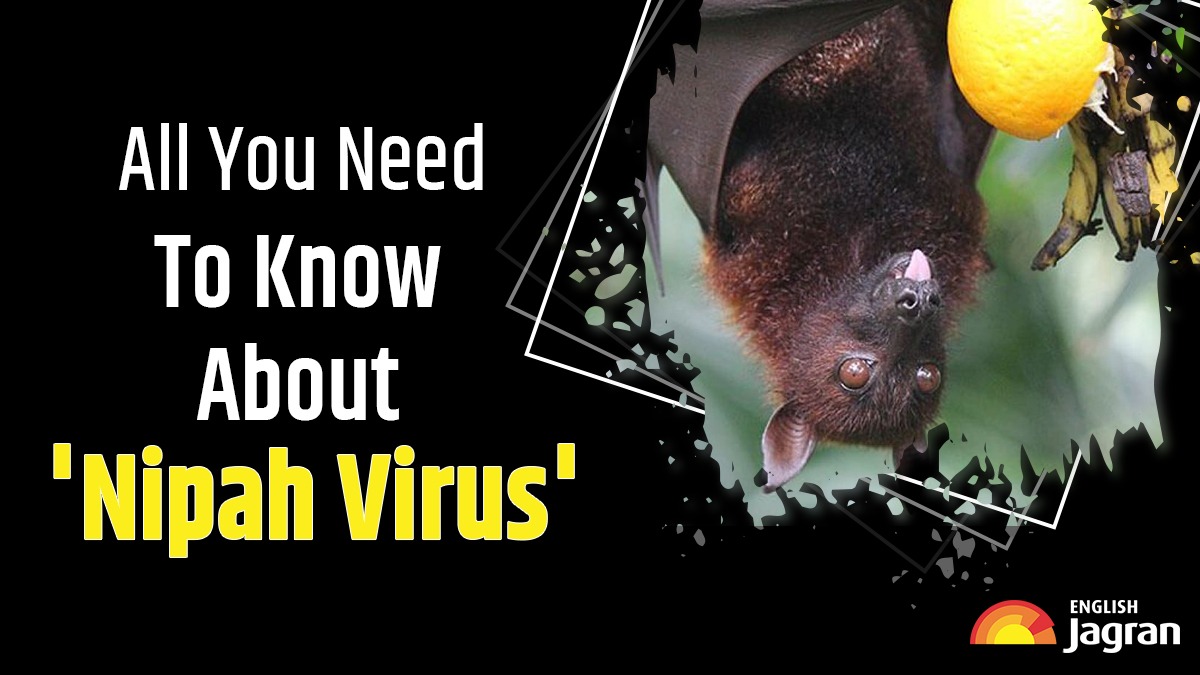
According to the Centers for Disease Control and Prevention (CDC), Nipah virus (NiV) is a zoonotic virus that can spread between animals and people. Fruit bats, also called flying foxes, are the animal reservoir for NiV in nature. The Nipah virus is also known to cause illness in pigs and people. Infections with NiV are associated with encephalitis (swelling of the brain) and can cause mild to severe illness and even death.
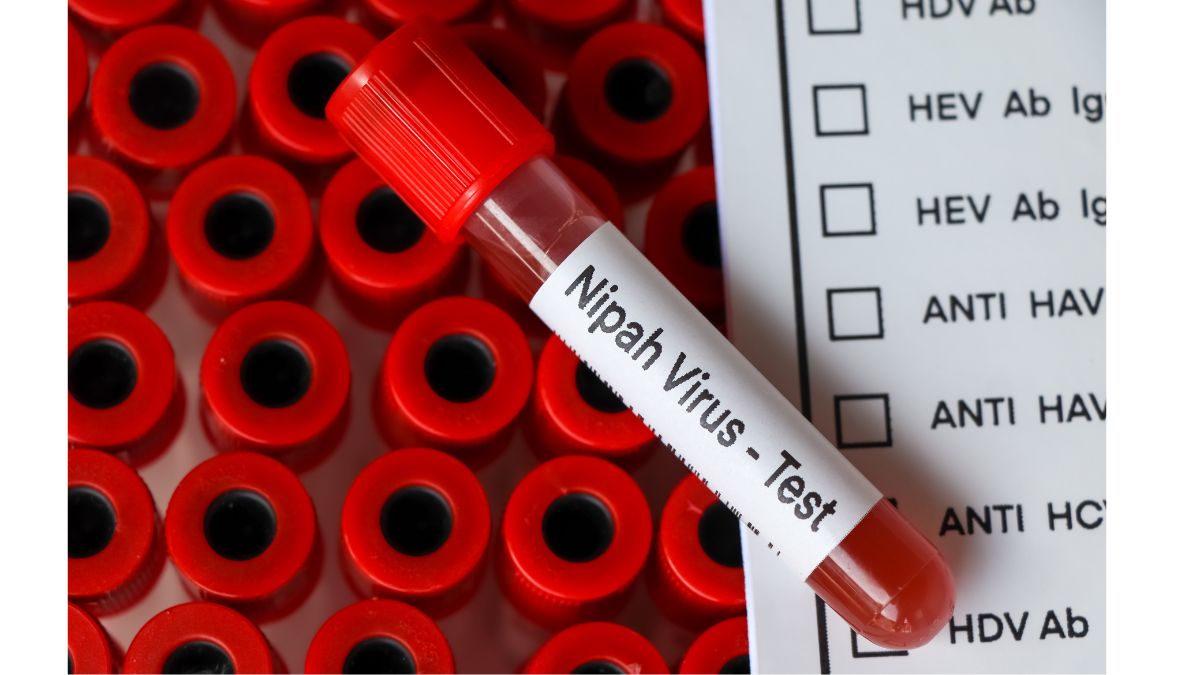
(Nipah virus is a contagious virus that can spread in humans as well, Image Credits: Canva)
ALSO READ: Nipah Virus Alert In Kerala After Two 'Unnatural' Deaths Reported In Kozhikode
How Nipah Virus Spreads?
- Direct contact with infected animals, such as bats or pigs, or their body fluids (such as blood, urine or saliva).
- Consuming food products that have been contaminated by the body fluids of infected animals (such as palm sap or fruit contaminated by an infected bat).
- Close contact with a person infected with NiV or their body fluids (including nasal or respiratory droplets, urine, or blood).
Symptoms Of Nipah Virus
The Cleveland Clinic states that the initial symptoms of the Nipah virus include fever, headache, breathing difficulties, cough and sore throat, diarrhoea, vomiting, muscle pain and severe weakness.
According to the Cleveland Clinic, symptoms typically begin within four to 14 days after exposure to the virus. It’s common to have a fever or headache first and develop respiratory problems like cough and difficulty breathing later.
How Contagious Is Nipah Virus?
1694499685988.jpg)
(Nipah virus can spread can be transmitted through bodily fluids and through an infected person, Image Credits: Canva)
The Nipah virus is contagious. It can spread through bodily fluids like saliva, poop, pee and blood. This means if you’re caring for a person with nipah virus, you could get it when the person coughs or sneezes, states Cleveland Clinic.
Diagnosis Of Nipah Virus
The diagnosis of this zoonotic virus can be challenging because of some non-specific early symptoms. Although, early detection and diagnosis can be effective for increasing the chances of survival in infected individuals.
Prevention Of Nipah Virus
The CDC lists some effective tips to prevent the transmission of this virus:
- Practise hand washing regularly with soap and water
- Avoid contact with sick bats or pigs
- Avoid areas where bats are known to roost
- Avoid eating or drinking products that could be contaminated by bats, such as raw date palm sap, raw fruit, or fruit that is found on the ground
- Avoid contact with the blood or body fluids of any person known to be infected with NiV
(Disclaimer: This article is for informational purposes only. It is not a substitute for professional advice, diagnosis or treatment.)