
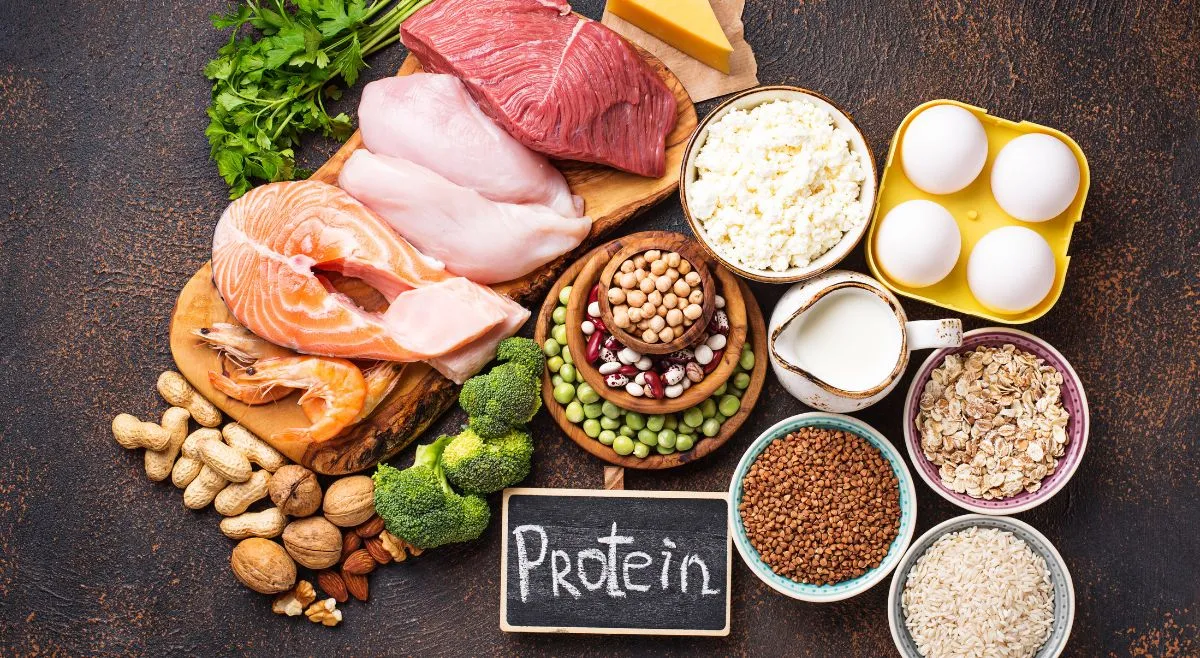
Protein Gap: Indian meals mostly consist of white rice, wheat roti, and other cereals. High protein sources often occupy the smallest portion of your plate. As per the World Population Review Report, India has the largest vegetarian population in the world. However, the concerning part is that while vegetarian foods can also provide an adequate amount of protein, they require careful planning.
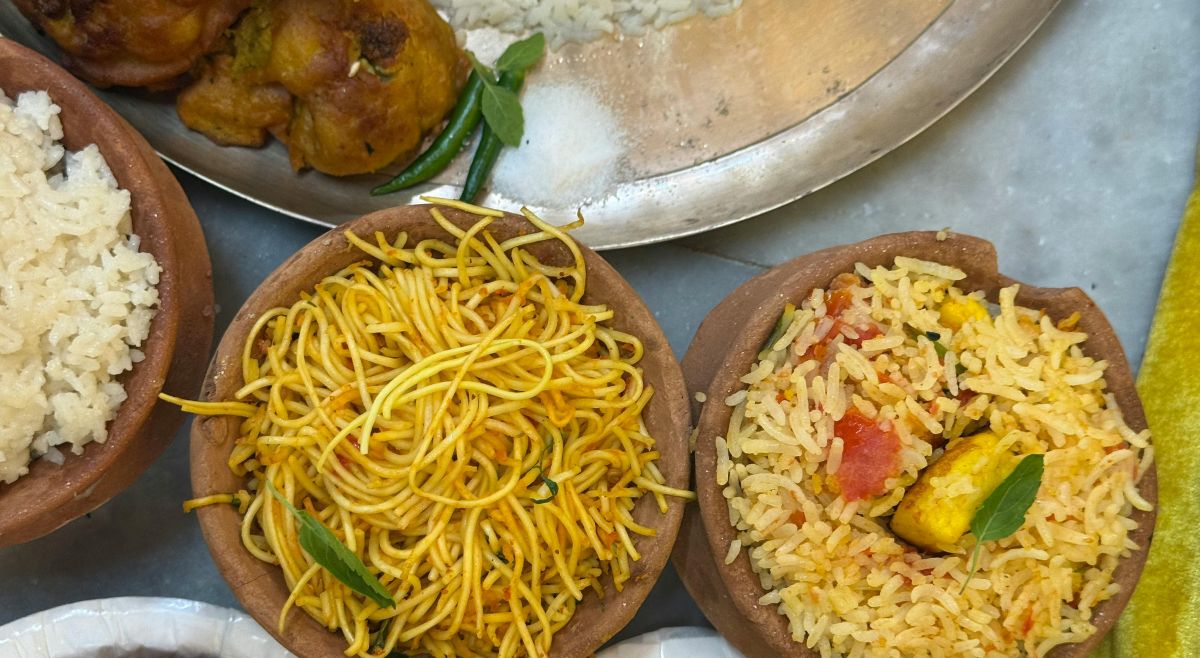
High-Carb And Low-Protein Diet (Image Credit: Canva)
Many on the internet suggest it is important to include combinations like pulses, dairy, soy, nuts, and millets to meet daily needs. To know about the protein gap and how a high-carb and low-protein diet is putting your health at risk, The Daily Jagran turned to Dr Aparna Govil Bhaskar, Consultant Bariatric, Hernia and Laparoscopic Surgeon, Metaheal Clinic, Saifee, Apollo and Namaha Hospitals, Mumbai.
She stated, “Many people are unaware of the exact amount of protein required per day. With hectic schedules, many people opt for convenient foods such as bread, snacks, and packaged items that contain a low amount of protein. People also believe that high protein intake is only necessary for athletes or bodybuilders, or that it may be harmful to the kidneys. Hence, many avoid protein in the diet.”
What Is Protein Gap?
According to Consultant Bariatric, “The protein gap, in simple terms, is the difference between the amount of protein your body actually needs to stay healthy and the amount of protein you are actually eating.”
Why Are High Carbs And Low Protein A Dangerous Combo?
1. Excess carbs that are not used for energy tend to get stored in the form of fat around the abdomen, leading to increased visceral obesity. This can lead to increased insulin resistance, metabolic dysfunction, and chronic inflammation.
Recommended For You
ALSO READ: BTS Jungkook Follows OMAD Diet: Expert Explains How This Diet Keeps Your Weight In Check
2. Low protein also slows metabolism, making weight management harder. Remember that obesity is the root cause of many other diseases, from heart disease, diabetes, high blood pressure, to high cholesterol, fatty liver, sleep apnoea, gout, gallbladder stones, and PCOD.
3. A high-carbohydrate diet is one of the contributing factors to the rapidly rising obesity epidemic in India.
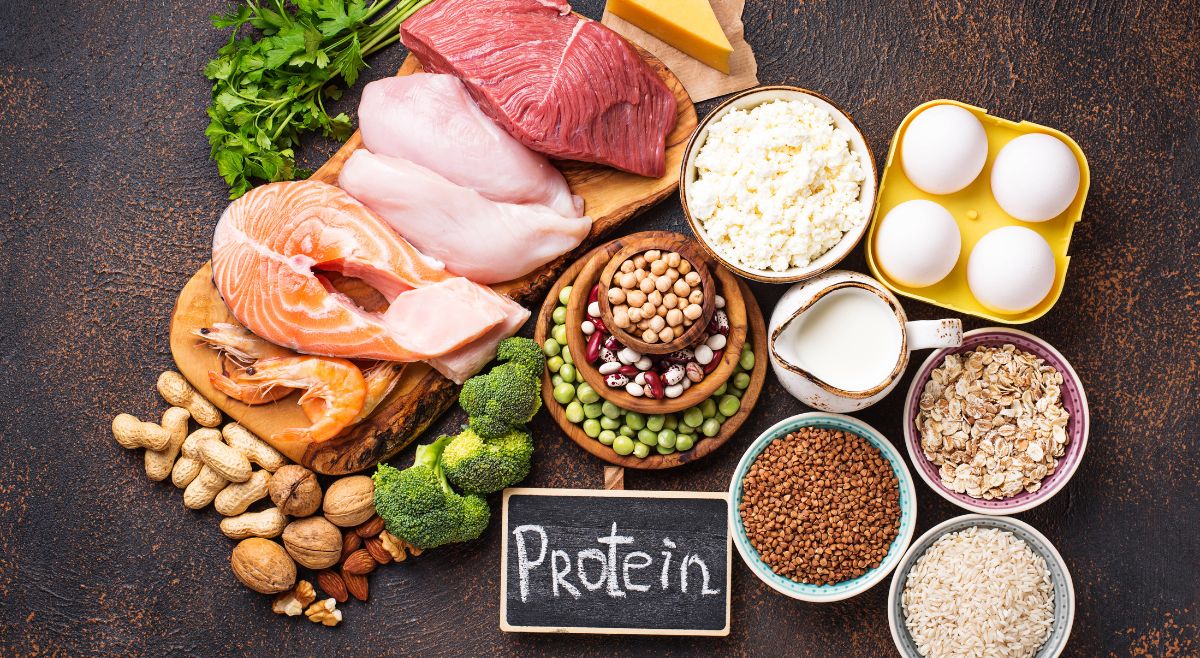
Protein-Rich Meal (Image Credit: Canva)
4. It is advisable to add enough protein to the diet in the form of paneer, tofu, legumes, seeds, beans, dal, nuts, fish, eggs, chicken, chickpeas, quinoa, spinach, broccoli, oats, and buckwheat.
5. Protein is important for maintaining muscle mass. Without enough protein, the body may start breaking down muscle, leading to weakness and low strength.
6. High-carb meals can increase the risk of insulin resistance and type 2 diabetes, which will need timely attention from the doctor.
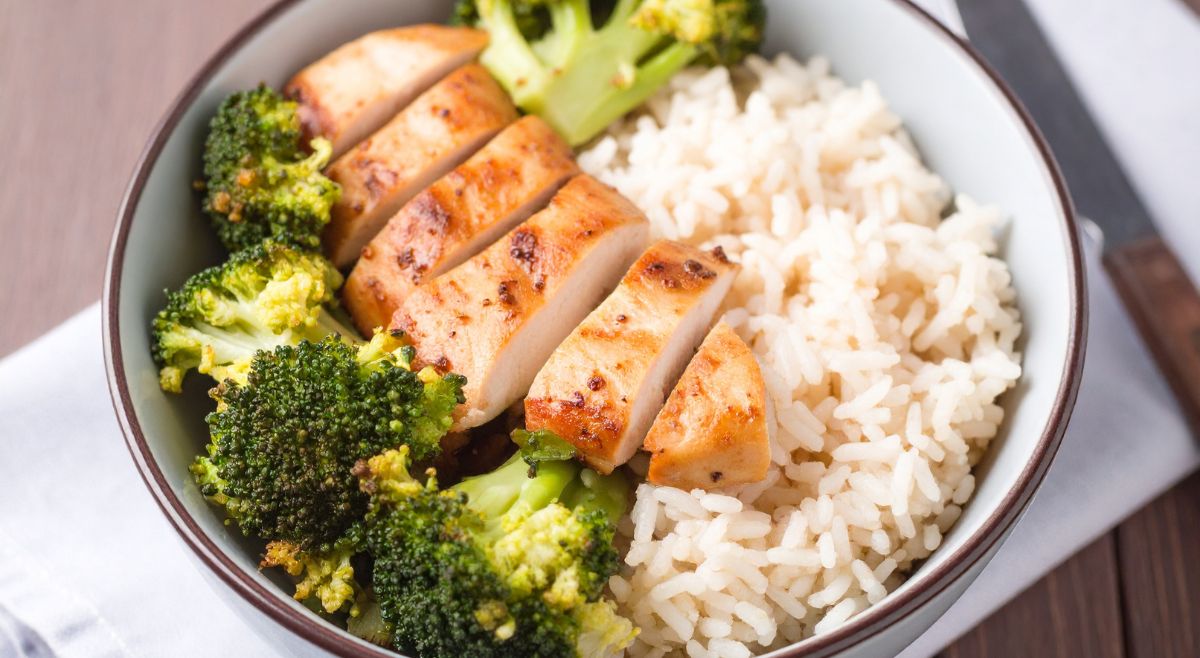
Protein-Rich Meal (Image Credit: Canva)
7. Protein helps build antibodies that tend to fight infections. Lack of protein in the diet can hurt immunity.
8. Protein keeps you full for a long time. Carb-heavy meals digest quickly, leading to increased hunger, overeating, and eventually weight gain.
ALSO READ: International Women’s Day 2026: Expert Shares Fitness And Diet Plan For Women In Their 30s
Lastly, to address this imbalance, Dr Aparna Govil Bhaskar cautiously reminded, “Indians need to prioritise protein in their daily diets. Your every meal should be a balanced plate, including a good source of protein and other essential nutrients. All this will help you maintain muscle strength, support stable blood sugar levels, aid in healthy weight management, and strengthen immunity, contributing to better overall health.”