
Historically, the entertainment and media industry has always relied on the traditional horizontal formats for all the shots but there’s a new trend in market that has defied that norm by using vertical formats.
The vertical media is the new craze that has taken the internet by storm, Indians are now suddenly invested in it and keep a continuous watch on it specially in tier 2 or tier 3 cities.
Is this binge format just a passing social media fad or is traditional horizontal media facing its biggest competitive threat since the launch of OTT platforms?
What Is Vertical Media?
Vertical media is content that is primarily shot in portrait aspect ratio of 9:16 to perfectly fill a smartphone screen. To drive higher engagement across platforms like Instagram Reels, Youtube Shorts or Tiktok, it is developed to match how we access content on our phones on social media platforms thus it drives higher engagement from viewers.
According to a research by Meta and Ormax Media in 2026, 89% of surveyed microdrama viewers came through social media feeds. A median of three and a half hours were spent watching such dramas in a week generally in short sessions.
Discovery of such content is done mostly through a dramatic clip appearing between other items rather than deliberate search, according to Meta’s report.
Now the question that arises next is why is it happening? Why are Indians suddenly shifting to this form of media when they have always been used to the traditional one?
There are multiple reasons why this format seems to we working well, let’s take a look at a few:
1. Easy Access To All
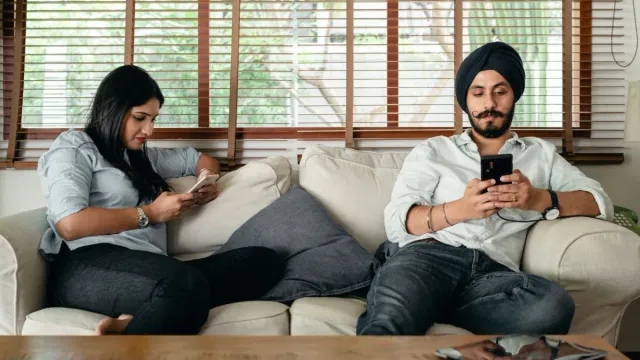
The vertical dramas are built in a way that it is easily accessible by a phone. An estimate of 97.4% of social media users in India access it through a smart phone making it a huge market for vertical media platforms. Taking advantage of that, different apps such as MX Player, Kuku TV, Flick TV, Quick TV, etc. advertise their short form vertical media on social media to generate millions of views and garner a huge audience for their apps.
Recommended For You
The vertical dramas are built in a way that it is easily accessible by a phone (Image: Pexels)
2. It Ends Fairly Quickly As Compared To Daily Soaps
We all are well aware how long an Indian daily soap lasts for. Sometimes when a show starts we are just kids playing in the dirt, the next we are adults working but the show is still going on. It can get exhausting and the audience also stops engaging with it.
Now, these vertical media pieces last barely one hour or two with each episode lasting for just a minute. Everything happens in quick succession and conclusion is reached fast thus the audience stays engaged and doesn’t lose focus or leave the show midway.
3. Dopamine Hit Loop
These short form vertical content usually follow a similar theme in all its stories, a loser being mistreated by all who is later revealed to be a billionaire, a daughter in law being abused by her in-laws who later takes revenge or a love triangle with an evil vamp.
These are all cliche storylines but garner a lot of views as people enjoy such content because it gives an instant dopamine boost, especially as a lot happens in so little time, after each minute something exciting and new happens and the audience gets hit with another dopamine rush.
Slowly it creates and looks and the viewer stays hooked to the screen.
4. Micro Payment Model
The apps that produce these types of content usually feature a micro payment model so the viewer doesn't feel they are committing for long to it instead they only commit to one story or show.
This helps the app in generating revenue a bit easily so that consumers don’t mind paying a small sum to watch the content and keep spending a small amount regularly.
ALSO READ: Karwa Chauth 2026: 5 Elegant Anarkali Suit Designs to Try
5. Targeting Tier 2 Or Tier 3 Cities
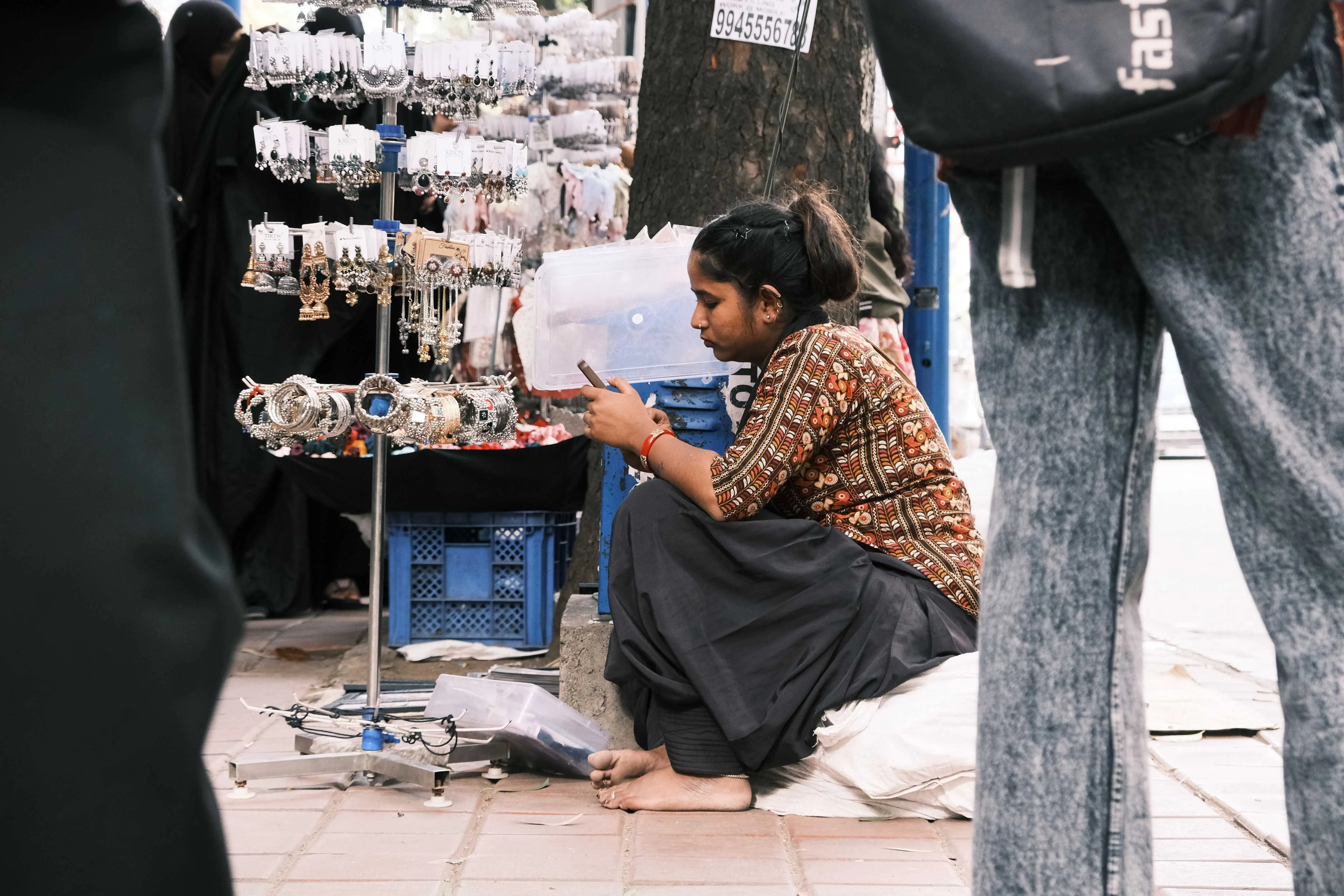
These micro dramas usually target tier 2 or 3 cities and it roughly makes up 68% of its audience base. The dramas are usually heavily melodramatic which mirrors the daily soap the audience from those regions are used to and feels like an attractive option.
Also, traditional media is not readily available on smartphones at will so it uses that as a plus point and targets those viewers as micro dramas are available readily whenever a user wants.
Now when we think of drama or media we include both the traditional horizontal and new vertical micro dramas as the audience base is increasing for more but we also have to keep in mind the vertical dramas rely heavily on AI for its storytelling as compared to traditional forms of media.

These micro dramas usually target tier 2 or 3 cities and it roughly makes up 68% of its audience base (Image: Pexels)
ALSO READ: Red Flag Meaning in a Relationship: 7 Signs to Watch Out For
So, when engaging with it we need to keep in mind not to get stuck on any loop and consume any form of media responsibly.
FAQs
1. Where can you watch vertical dramas in India?
There are apps dedicated to these dramas such as DramaBox, ShortTv, MX Player, Kuku TV, Flick TV, Quick TV which are available on appstore and playstore. But, you can also access the content on social media apps such as Instagram, TikTok, etc.
2. Who is acting and writing in these shows?
Creators, theatre actors, influencers, etc. form the main components for this type of media rather than stars from Bollywood or TV industry. Writers from traditional media work on it as they have expertise on such content and also AI is also relied upon to create such content.