

The elusive quest for quality sleep. We've all been sold on the idea that a solid 7-8 hours of sleep is the magic number for optimal functioning. Yet, many women find themselves waking up feeling drained, despite adhering to this oft-cited guideline. So, have you ever wondered why you wake up feeling tired even after a full night's sleep? You're not alone. Many women are finding that the recommended hours of sleep just isn't cutting it. So, what's going on? It turns out that sleep is more complicated than we thought.
Our bodies, minds and lifestyles all play a role in how much rest we need. And here's the thing: men and women might need different amounts of sleep. Let's understand whether women need more sleep than men and what the study says about this.
What Study Says?
When it comes to sleep, men and women have different needs. Research shows that women tend to sleep around 20 minutes longer than men. One global study of 70,000 people found that women aged 40-44 slept 23-29 minutes more than men of the same age. Another study discovered that women spend more time in deep sleep, too. Men's sleep quality tends to deteriorate with age while women's sleep quality remains relatively stable. This. However, it's essential to remember that individual sleep needs vary greatly - just like our heights. So, while women may sleep slightly more on average, there's no one-size-fits-all solution when it comes to getting a good night's sleep.
Recommended For You
ALSO READ: What is Cortisol And How To Quickly Lower It Naturally In The Body?
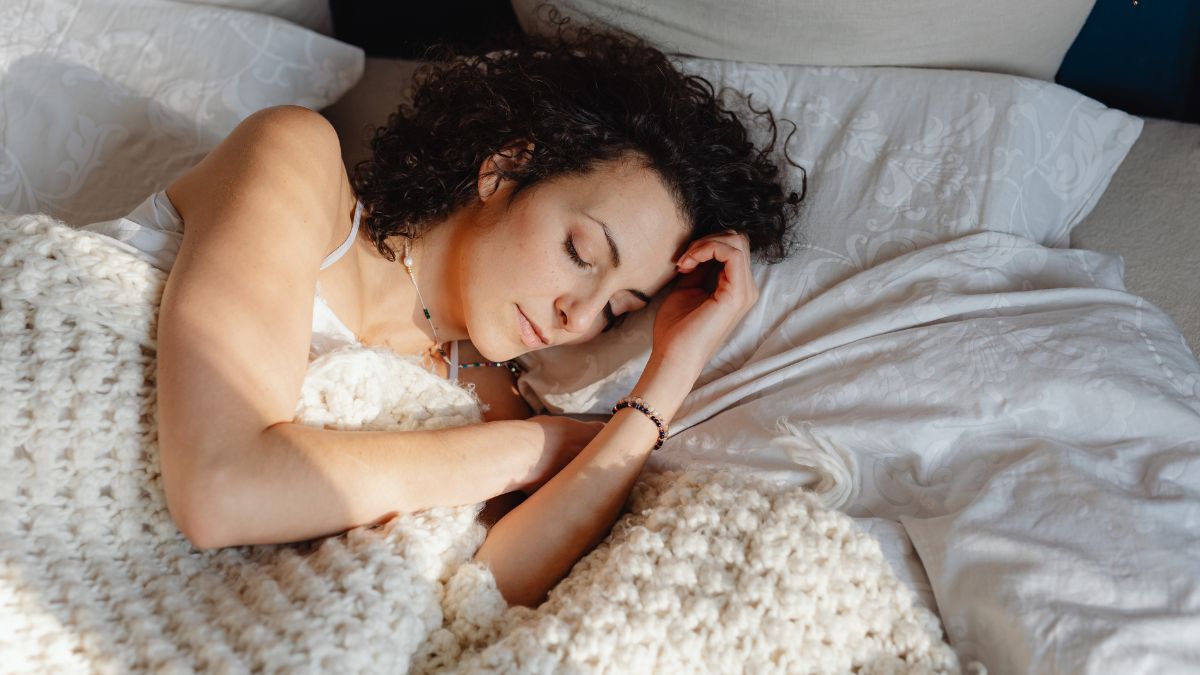
Why women require more sleep? (Image Credits: Canva)
ALSO READ: Hot Sleeper vs Cold Sleeper: Which One Are You And How To Sleep Better?
Factors Affecting Women's Sleep
For women, sleep is a complex puzzle influenced by biology, psychology and social factors. Hormonal changes can significantly impact sleep. For women, this can occur during significant life stages such as puberty, pregnancy and menopause, leading to disrupted sleep patterns. Many women experience poorer sleep during their premenstrual phase while others struggle with hot flushes and night sweats during perimenopause. Additionally, women are more likely to experience depression, anxiety and trauma-related disorders which can lead to sleep problems. Worry and rumination can also keep women awake at night. It's clear that women's sleep is deeply intertwined with their physical and mental health, making it essential to address these underlying factors to improve sleep quality.