

- By Bornika Das
- Sat, 24 Jan 2026 05:53 PM (IST)
- Source:JND
While the drop in temperatures transforms the skin from soft to sensitive, making it red, itchy and easily irritated. Dermatologists point out surprising causes behind it. As people breathe in chilled gusts of wind, the skin cell count is slowed way down. Environmental heating contributes to this problem, drying out the moisture from the air. This all generates a loss of water molecules on the skin’s surface. Besides, lifestyle changes in the winter months also contribute to the skin problem. Understanding these factors can help in the protection and maintenance of skin health throughout the colder months.
With proactive steps and tips, you can maintain a healthy balance of your skin and not exacerbate a cycle of itch, scratch and damage. In conversation with The Daily Jagran, Dr Neeharika Goyal, Consultant-Dermatologist, Svastam Wellness, New Delhi explain the causes behind skin turning sensitive in winter and tips to prevent it.
Low Humidity And Moisture Loss
Low humidity is one of the most prevalent causes of winter skin problems. First, cold air lacks moisture, as compared to warm air. Indoor heating systems further dehydrate the atmosphere. This means that the amount of water in the skin is lost much quicker than usual. Dr Neeharika Goyal states, “Water loss weakens the skin's natural protective barrier and causes dryness, flakiness, and a rough texture.” If the skin barrier is disrupted, the skin becomes more sensitive and easily irritated.
ALSO READ: Dermatologist Explains Why Skincare In Winter Is Important For Skin Health
Cold Winds And Outdoor Exposure
The harsh winter winds can strip the skin of its natural oils, which otherwise protect it from environmental damage. Dr Neeharika Goyal states, “The face, lips, and hands are particularly affected areas since they tend to be more exposed. The result is redness, itchiness, chapping, and even painful cracking.” Those who already have skin problems, like eczema or rosacea, might notice that their symptoms worsen when winter comes around.
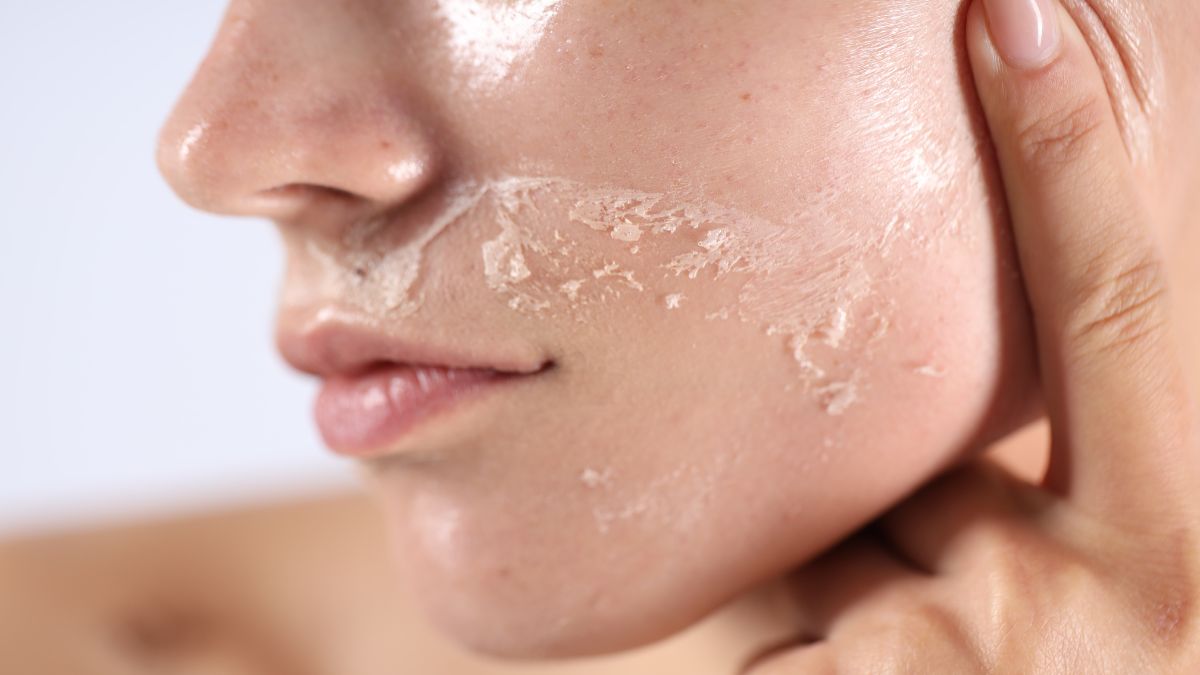
Reasons Behind Sensitive Skin In Winter (Image Credits: Canva)
Indoor Heating And Skin Sensitivity
Spending more time indoors when it is coldest also has implications for the skin. Heaters take moisture out of the air, leaving skin feeling tight and uncomfortable. Prolonged exposure to dry indoor air can increase sensitivity, causing the skin to react to products or conditions that previously caused no issues.
Winter Habits That Make Skin Conditions Worse
Certain of these winter habits are unfortunately detrimental to the skin. Hot showers, although comforting, strip the skin of oils it needs. Frequent hand-washing and the use of harsh soaps can further dry out and irritate skin. These habits, over time, make the skin more reactive and sensitive.
ALSO READ: 5 Winter Skincare Myths Quietly Destroying Your Skin Barrier; Know From Expert
Skin Protection In Winter
Healthy skin requires more care during winter. Dr Neeharika Goyal states, “The use of gentle cleansers, rich moisturisers, avoidance of hot water, and protection with scarves and gloves are helpful.” Adding a humidifier indoors replaces moisture in the air to support skin hydration.
Winter conditions turn dry skin into sensitive skin. With proper care and protective measures, it is possible to minimise irritations and maintain healthy skin during this season.