
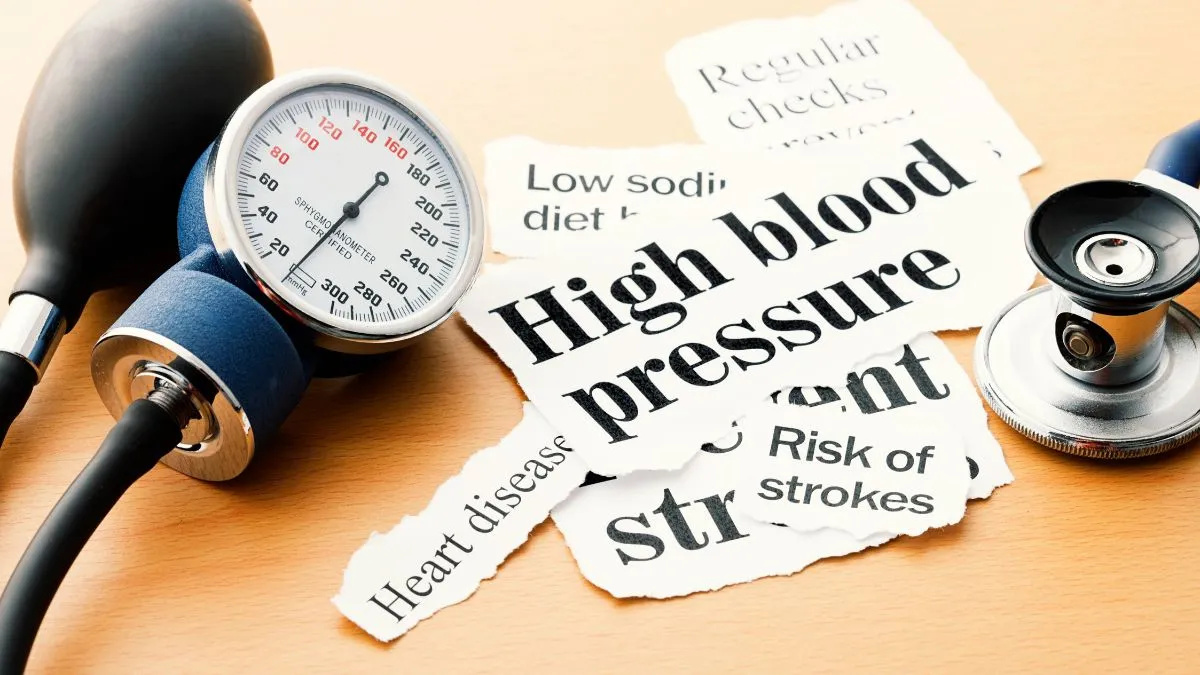
According to the World Health Organisation, hypertension or high blood pressure affects nearly 220 million people in India, yet only 12 per cent of them have it under control. When, despite your best efforts- following your diet, exercising regularly, and taking your medications – your blood pressure numbers are refusing to budge, you need to look deeper. But why do blood pressure numbers remain high even when on medication? The answer lies in a lesser-known issue- resistant hypertension. It is a condition where blood pressure remains above the range of 140/90 mmHg despite the use of three or more antihypertensive medications, including a diuretic at optimal doses. This condition can be caused by various underlying issues, such as sleep apnea, hormonal imbalances, alcohol use, obesity, or even the use of certain medications.
Many patients with resistant hypertension do not even realise that they fall in this category, because they think they are giving their best, following instructions, eating well, and exercising regularly, which they genuinely do. We often see patients on multiple medications with persistent high blood pressure readings, but fail to identify the underlying causes. For them, it is not just about adding another pill. They need a structured evaluation that considers both lifestyle modifications and emerging medical interventions. Managing blood pressure is not one-size-fits-all; it is personal. In conversation with The Daily Jagran, Dr Guruprasad S, HOD, Department of Electrophysiology, Gleneagles Hospitals, Chennai, shares the hidden truth about Resistant Hypertension.
Key Habits To Manage Resistant Hypertension
Follow Strict Medication Adherence - Studies reveal that 50 per cent of hypertension patients become non-adherent to their medications within a year, often skipping doses when they feel better or encounter side effects. Dr Guruprasad S states, “Non-adherence to medications remains a significant barrier in managing blood pressure, especially for those with resistant hypertension, as even missing a few doses can affect long-term control.”
Recommended For You
ALSO READ: Ayurveda For Diabetes And Hypertension: Expert Explains A Holistic Approach To Metabolic Health
Check For Drug Interactions - Various pain medications, anti-depressants and many natural or herbal supplements can raise blood pressure or interfere with your prescribed treatment. It is essential to share a complete list of all medicines and supplements you take with your doctor to avoid these hidden interactions.
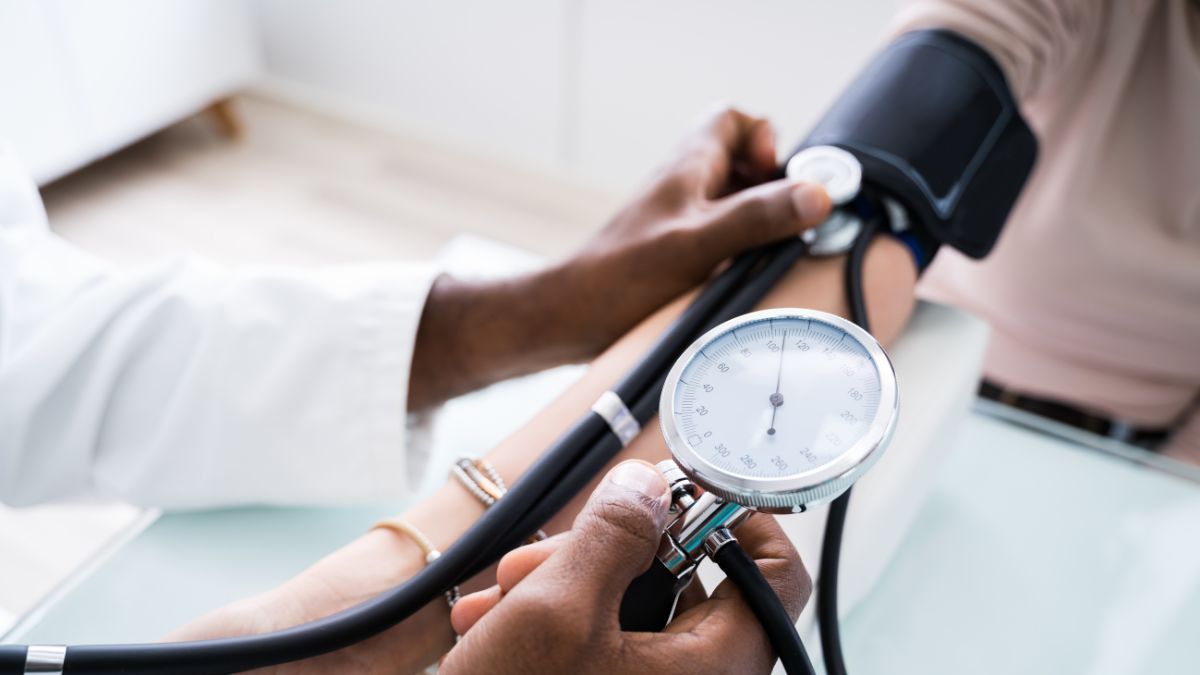
Tips To Manage Resistant Hypertension (Image Credits: Canva)
Hidden Lifestyle Blocks - Conditions like chronic stress, lack of sleep, heavy alcohol use, and excess salt intake can all sabotage blood pressure control. Addressing these factors with practical steps and seeking evaluation when needed can help one effectively manage one's blood pressure.
Sometimes, even after following the right protocols - maintaining a healthy lifestyle, managing stress, and adhering to prescribed medications - blood pressure remains high. Dr Guruprasad S says, “When these steps don’t work, modern therapies like Renal Denervation (RDN) may be useful. RDN is a minimally invasive catheter-based procedure that targets the overactive sympathetic nerves in the renal arteries that play a key role in regulating blood pressure.” By acting on the renal arteries, RDN offers a sustained drop in blood pressure for those with resistant hypertension who have exhausted other options.
ALSO READ: How High Blood Pressure Leads To Heart Attacks? Doctor Explains
Resistant hypertension does not mean failure; it means your body needs an additional approach. Through a combination of vigilant habit tracking, expert guidance, and, if needed, emerging interventions like RDN, blood pressure control is not only possible but also achievable. The key is to not give up, explore all available options, and take control of your blood pressure.