

World Menopause Day 2023: Common myths concerning weight gain after menopause are debunked by the facts. Hormonal changes do affect metabolism, despite the common misconception that menopause directly contributes to weight gain. However, aging-related reductions in activity levels and muscle mass are the main causes of this transition.
Women can effectively manage their weight throughout this period of life by maintaining a healthy lifestyle through consistent exercise and a balanced diet. Women who are aware of these facts can handle the menopause with confidence and a focus on their overall wellbeing.

Hormonal changes do affect metabolism, despite the common misconception that menopause directly contributes to weight gain. (Image Credit: Canva)
Dr. Prachi Benara, who is a consultant at Birla Fertility & IVF in Gurugram, spoke exclusively in Jagran English about Navigating Menopause: The Truth About Weight Gain and Other Myths.
Also Read: Is Eating Poha In Breakfast Good For Weight Loss? Know From Expert
Dr. Prachi said, "Menopause is a natural phase in a woman's life, signifying the end of her reproductive years. Typically occurring in the late 40s and early 50s, it marks the cessation of menstrual periods. This transition, while universal, is unique to each woman and can be accompanied by a variety of physical and emotional changes. While menopause is a natural process, the changes it brings can significantly impact a woman's quality of life. The primary cause of menopause is the gradual decline in estrogen production by the ovaries. Several factors can influence when and how a woman experiences menopause, including genetics. Certain medical treatments, such as radiation therapy or the surgical removal of the ovaries, can also induce menopause earlier than it would typically occur. Moreover, menopause is associated with a variety of physical and emotional symptoms that can vary in intensity among women. Common symptoms include hot flashes, night sweats, vaginal dryness, mood changes, sleep disturbances, irregular periods during the perimenopause phase, thinning hair, decreased libido, potential weight gain, and an increased risk of osteoporosis due to declining bone density."
Recommended For You
She also said, "One of the most common concerns associated with menopause is weight gain. Contrary to popular belief, menopause itself isn't the primary cause of weight gain. The primary reason is age, not hormonal changes. As women’s age increases, their metabolism naturally slows down, leading to weight gain if their caloric intake and physical activity remain the same. Hormonal shifts during menopause can influence body fat distribution, making it more likely to accumulate around the abdomen, but they don't inherently cause significant weight gain. While hormonal changes play a role, lifestyle factors such as diet and physical activity are crucial in managing weight during menopause. A balanced diet rich in fruits, vegetables, and whole grains, combined with regular exercise, can help prevent weight gain. Strength training is particularly effective in maintaining muscle mass, which tends to decrease with age. It's important to remember that weight gain during menopause can be managed and is not an inevitable consequence of the transition."
Myths And Misconceptions Surround Menopause
Hormone Replacement Therapy (HRT) is the Only Solution: HRT, which involves the use of hormones to manage menopausal symptoms, is an option, but it's not the only one. Women can explore various approaches, including lifestyle changes, dietary modifications, and alternative therapies, to alleviate their symptoms.
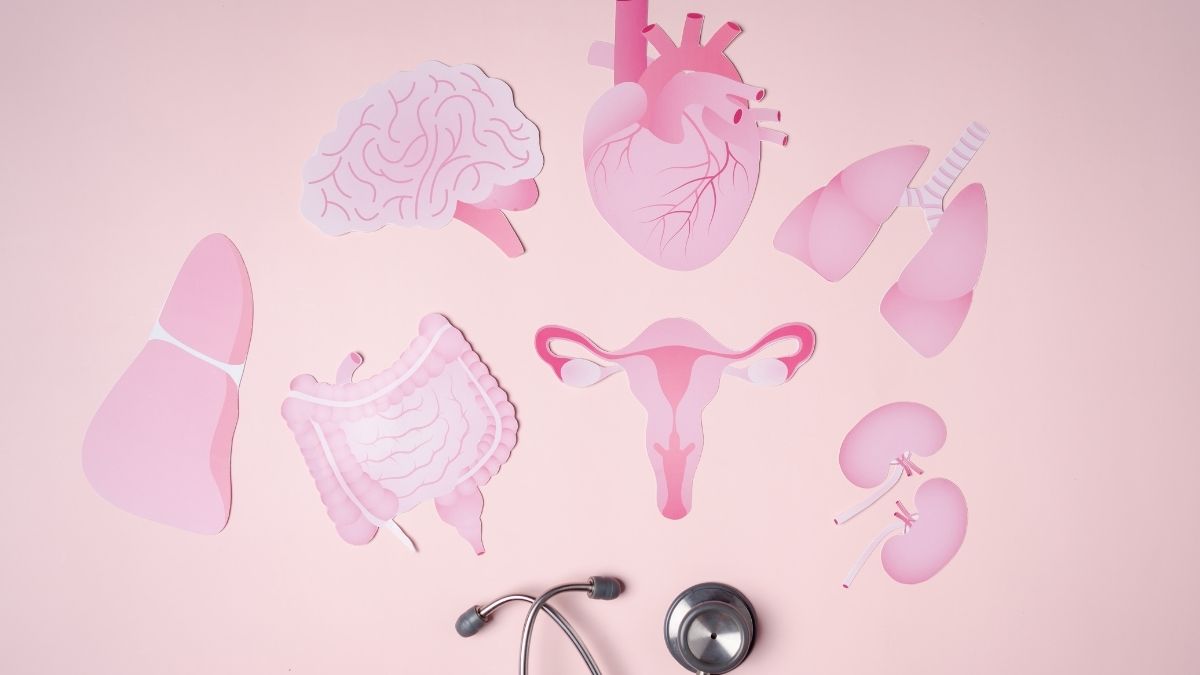
Women can effectively manage their weight throughout this period of life by maintaining a healthy lifestyle through consistent exercise and a balanced diet. (Image Credit: Canva)
All Menopausal Women Experience Severe Symptoms: Menopausal symptoms vary widely. While some women experience severe hot flashes, mood swings, and sleep disturbances, others may have milder or even no symptoms. It's a highly individual experience.
Menopause Means the End of Intimacy: Menopause doesn't signal the end of a satisfying intimate life. Communication with one's partner and healthcare provider can help address any concerns and find solutions to maintain a healthy and fulfilling sexual life.
Menopause Leads to Mental Health Issues: While hormonal changes can influence mood, menopause itself doesn't cause mental health problems. However, women going through this transition may be at an increased risk for depression and anxiety, so it's important to seek help if these issues arise.
Also Read: Happy Kati Bihu 2023: Wishes, Quotes, Messages, WhatsApp And Facebook Status To Share On The Day
Once Menopause Starts, It Never Ends: Menopause is a gradual process that includes perimenopause (the years leading up to menopause) and post menopause (the years after menopause). Symptoms may continue during perimenopause but often diminish or disappear in post menopause.
Dr. Prachi concluded by saying, "Menopause is a natural phase in a woman's life, and it's important to separate fact from fiction. Weight gain during menopause is not inevitable and can be managed through a healthy lifestyle. Additionally, understanding the other myths surrounding menopause can help women navigate this transition with confidence and ease. It's crucial to remember that menopause is a unique journey for each woman, and there are various approaches to addressing its challenges and embracing its positive aspects as well.