
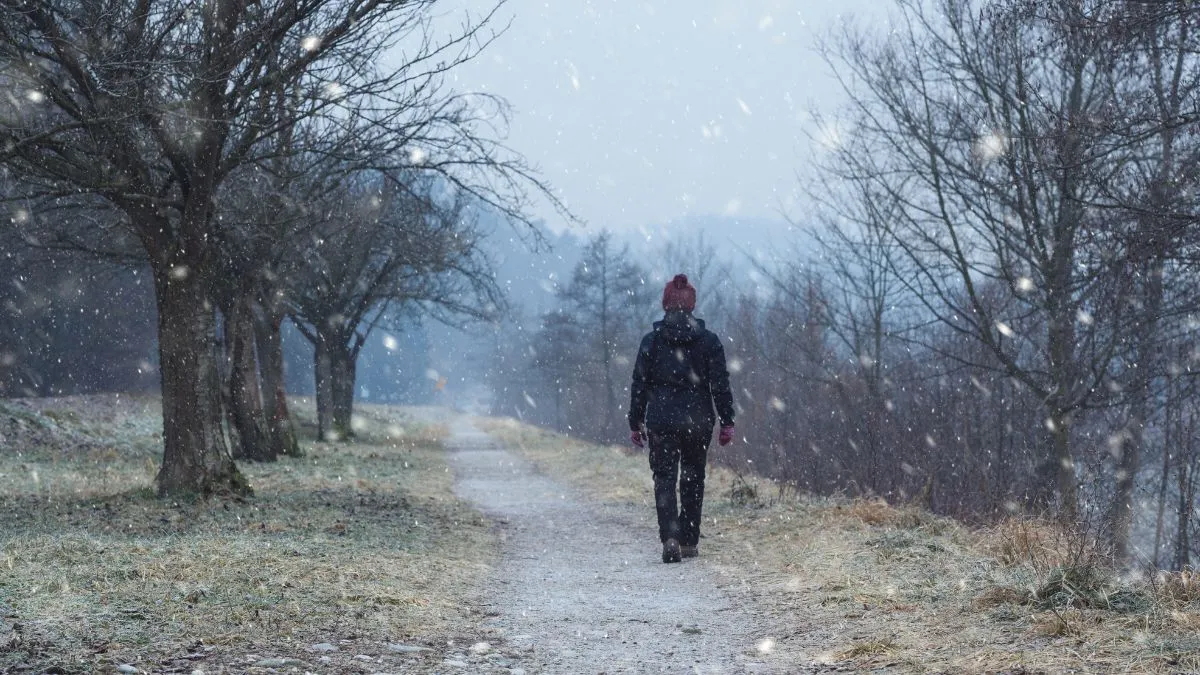
Taking a morning walk in the winter assures the goodness of fresh air and energy. However, doctors comment on the unseen dangers of the cold environment, whose risks may easily counter the advantages of the exercise. The intense cold environment leads to the narrowing of the blood vessels, increasing the blood pressure in the body. The cold environment exerts more pressure on the hearts of people suffering from conditions like hypertension, diabetes, or those who have had heart conditions.
Despite these risks, walking is a necessary routine for health, but timing and preparation are paramount. While cold air inflames the passage to your lungs, moderate activity can enhance your immune system, circulation, and burn more calories, provided it is appropriately done. In conversation with The Daily Jagran, Dr Sandeep Reddy Koppula, HOD - Internal Medicine, Arete Hospitals, shares whether a winter morning walk is doing more harm than good.
Why Early Winter Mornings Stress The Body
The early morning hours in winter are the coldest. Cold air causes blood vessels to tighten, which leads to a rise in blood pressure. Dr Sandeep Reddy Koppula states, “For people with hypertension, heart disease, or diabetes, this sudden shift puts extra strain on the heart.” Cold also slows blood flow slightly, which can be risky for those already prone to circulation-related problems.
Recommended For You
Pollution Levels Are Higher Than You Think
Air quality is another factor many people overlook. In several North Indian cities, winter mornings trap pollution close to the ground due to temperature inversion. This means that early walkers often inhale more harmful particles than they would later in the day. Dr Sandeep Reddy Koppula says, “Such exposure can irritate the lungs, worsen asthma, trigger coughing, and increase the risk of chest infections, especially among children and the elderly.”

Winter Morning Walk Health Risks (Image Credits: Canva)
Warning Signs You Should Not Ignore
Many people assume discomfort during exercise is normal. It is not. Chest heaviness, breathlessness, dizziness, or severe joint stiffness during winter walks often indicate physical stress. Those recovering from a recent respiratory infection or living with arthritis frequently notice that cold and damp weather worsens their symptoms. Continuing despite these signs can delay recovery and lead to complications.
How To Stay Active Without Taking Risks
Exercise remains important, even in winter. The key is adjustment. Walking later in the morning or afternoon, when temperatures rise and air quality improves, is usually safer. On very cold or polluted days, light indoor movement such as stretching, yoga, or walking around the house is sufficient to keep the body active.
A morning walk is not harmful by itself. But winter demands flexibility. Paying attention to weather, air quality, and your body’s signals can help ensure that exercise supports health rather than putting it at risk.